The Traveling Circadian Toolkit – A Portable Regimen for High-Frequency Travelers and Jet Lag
In our increasingly globalized world, frequent travel is no longer limited to a handful of professionals. Business executives, remote workers, athletes, entertainers, and even vacationers regularly hop from one time zone to another. While the ability to traverse continents in mere hours has its perks, it brings with it a persistent modern ailment: jet lag. Jet lag, scientifically known as desynchronosis, occurs when our internal body clock—also known as the circadian rhythm—is out of sync with the time zone we’ve traveled to.
Our bodies are naturally equipped with a circadian rhythm, an internal 24-hour clock that orchestrates numerous physiological processes, including sleep, hormone production, metabolism, and body temperature. Travel across time zones disrupts this rhythm, causing symptoms like fatigue, digestive issues, irritability, sleep disturbances, and impaired cognitive function. Long-term circadian disruption can even increase the risk of chronic illnesses like cardiovascular disease and depression.
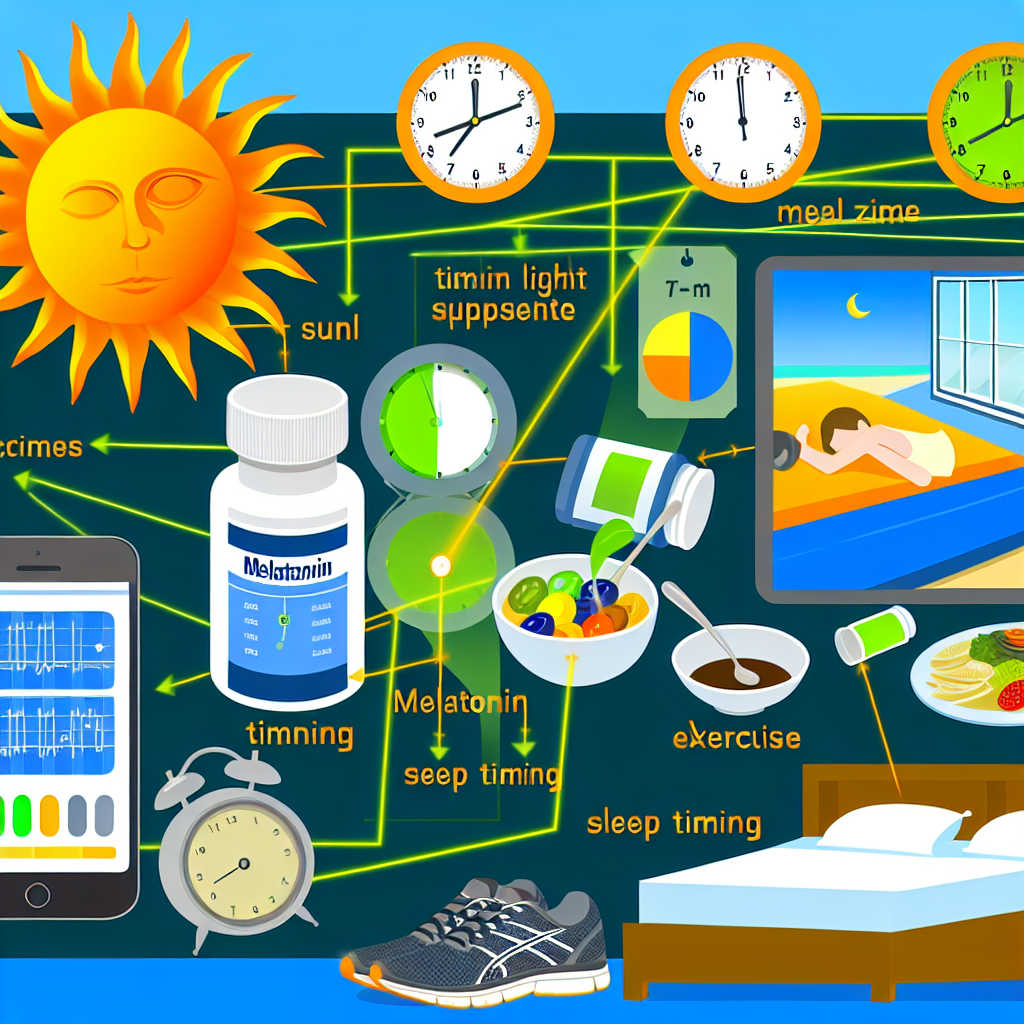
The Traveling Circadian Toolkit is a science-backed, portable regimen designed to help users realign their internal clock quickly. Drawing from the latest research in chronobiology, this toolkit includes strategic light exposure, melatonin supplementation, meal timing, exercise, and optimized sleep hygiene. Whether you’re preparing for your first transcontinental trip or navigating constant intercontinental flights, this toolkit enhances your health, productivity, and travel experience.
Features: Science-Backed Components of the Traveling Circadian Toolkit
A comprehensive circadian health regimen includes several well-established components aimed at minimizing disruption during and after travel.
Timed Light Exposure
Light exposure is the most powerful synchronizer of the circadian rhythm. The brain’s master clock in the suprachiasmatic nucleus (SCN) interprets light—especially blue spectrum light—as the main signal for day and night cues. Strategic exposure to light can speed adaptation to new time zones.
For those flying eastward, seeking bright light in the morning helps adjust the body’s internal clock to an earlier schedule. Conversely, for westward travel, evening light exposure can help delay circadian timing.
Tools like light therapy boxes and blue-light glasses are effective ways to achieve this. As detailed in this study published in Sleep, timed light exposure significantly speeds up circadian realignment.
Melatonin Supplementation
Melatonin is the hormone that promotes sleep and regulates circadian cycles. Strategic supplementation can mimic nightfall in the destination time zone, helping travelers fall asleep more easily.
The optimal dose ranges from 0.5 mg to 5 mg, taken around the target bedtime of your destination. According to a meta-analysis in PLOS Medicine, melatonin significantly reduces jet lag and supports circadian alignment.
Meal Timing and Composition
Food doesn’t just nourish; it signals time to your body’s peripheral clocks. Eating at the right local time can support faster circadian adjustment. Research in Cell Reports shows that timed feeding can even shift internal rhythms independent of light cues.
To optimize adjustment, align your meal patterns with those in the destination time zone. Choose protein-rich meals in the morning and mid-day, and avoid heavy carbs or fatty meals close to target bedtime.
Controlled Physical Activity
Exercise not only regulates energy metabolism and boosts mood but also affects your body clock. A study from The Journal of Physiology confirmed that targeted exercise sessions can shift circadian phases.
Use activity strategically: morning workouts can help you adapt to earlier time zones (eastward), whereas afternoon or evening sessions are more helpful when flying west.
Sleep Hygiene On-the-Go
Maintaining healthy sleep practices while traveling is essential to reducing the physiological stress of jet lag. Block out disruptive light with eye masks, use noise-canceling headphones, and optimize sleep posture with neck pillows.
Preparation begins before bedtime: avoid caffeine, screens, and heavy meals. Apps with relaxing sounds or portable aromatherapy diffusers with lavender oil can promote relaxation and improve sleep onset.
Chronotherapy Planning Apps
One of the most useful tools for modern travelers is tailored jet lag planning apps. Apps like Timeshifter use personalized chronotype data, destination, flight timing, and sleep preferences to create a dynamic transition plan including light, meals, sleep, and melatonin guidance.
These apps provide granular instructions—such as “seek bright light at 6 a.m.” or “avoid caffeine after 3 p.m.”—which take the guesswork out of travel recovery.
Hydration and Alcohol Management
Hydration is an underestimated yet vital factor for metabolic function and circadian regulation. Airplane cabins promote dehydration, which can intensify fatigue, reduce concentration, and impair sleep.
It’s advisable to drink water consistently throughout your journey. Avoid excessive alcohol, which not only disrupts REM sleep but also enhances fluid loss. Consider electrolyte supplements during long flights to maintain balance.
Conclusion
Jet lag is more than a temporary annoyance—it’s a disruption with potential long-term health consequences. But understanding and supporting your circadian rhythm can make a dramatic difference.
The Traveling Circadian Toolkit empowers travelers with proven tools: light timing, melatonin, meals, movement, hydration, and digital guides to ease the transition across time zones. It isn’t a one-size-fits-all method, but it is a customizable regimen for optimal performance and health wherever you go.
Staying aligned with your body clock is no longer a luxury—it’s a necessity. As global mobility becomes the norm, consider it a personal investment to protect your sleep health, sharpen your mind, and maintain overall vitality.
References
- Sleep. Timed Light Therapy for Jet Lag
- PLOS Medicine. The Efficacy of Melatonin in Jet Lag
- Cell Reports. Circadian Entrainment by Timed Feeding
- The Journal of Physiology. Effects of Exercise on Circadian Phase
- Timeshifter Jet Lag App
Concise Summary
Frequent travelers often experience jet lag due to circadian rhythm disruption. The Traveling Circadian Toolkit offers a personalized solution using science-based strategies: timed light exposure, melatonin, meal timing, exercise, hydration, sleep hygiene, and planning apps like Timeshifter. Together, these components help travelers reduce jet lag symptoms, improve sleep, and stay alert and productive across time zones. With tools backed by leading research, this portable regimen supports mental and physical health on the go—making circadian rhythm management a vital travel practice in today’s globalized lifestyle.

Dominic E. is a passionate filmmaker navigating the exciting intersection of art and science. By day, he delves into the complexities of the human body as a full-time medical writer, meticulously translating intricate medical concepts into accessible and engaging narratives. By night, he explores the boundless realm of cinematic storytelling, crafting narratives that evoke emotion and challenge perspectives.
Film Student and Full-time Medical Writer for ContentVendor.com