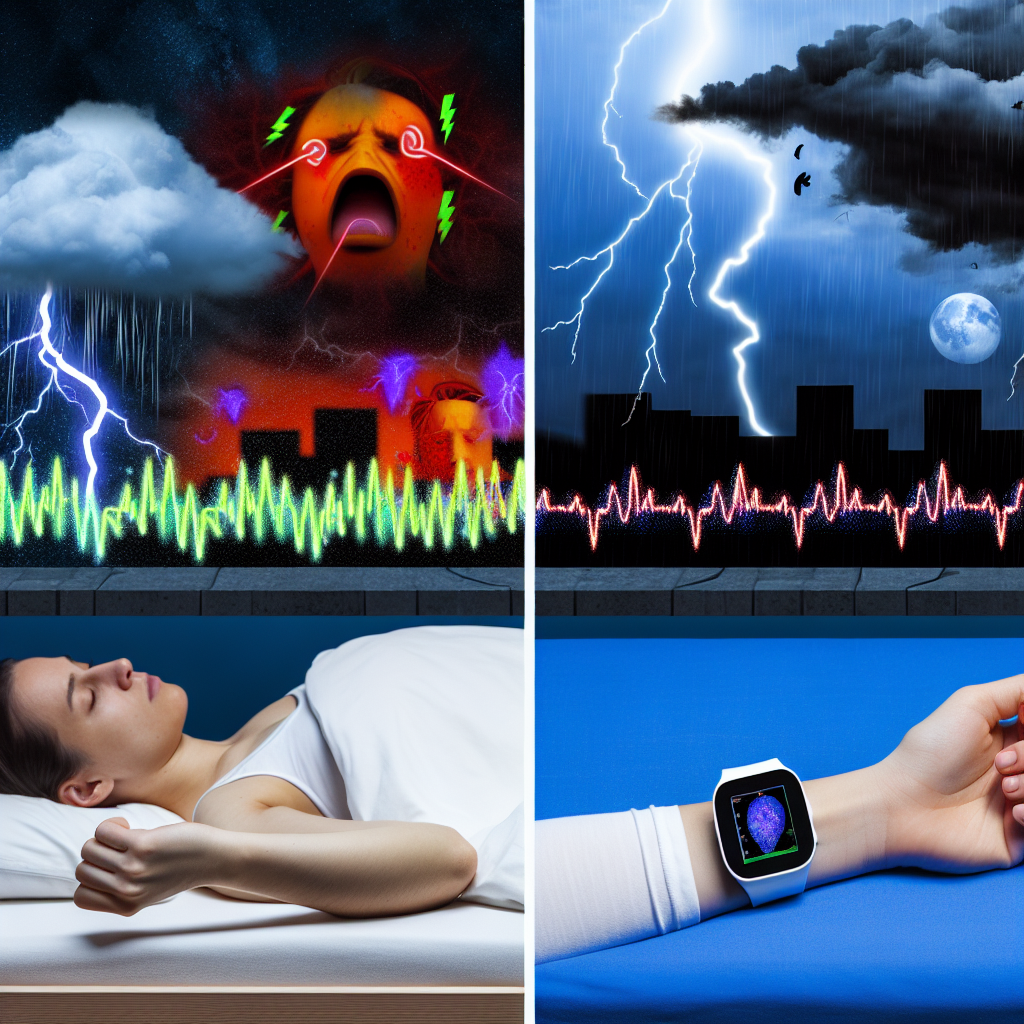
The Sleep-Stress Feedback Loop Intervention – Using HRV Biofeedback to Break the Cycle
Introduction
Modern life, with its relentless pace and constant demands, has led to a dramatic rise in both chronic stress and sleep disturbances. According to the American Psychological Association, a growing number of individuals report high levels of stress affecting their physical and mental health. Simultaneously, the Centers for Disease Control and Prevention (CDC) reports that nearly 1 in 3 adults in the U.S. do not achieve sufficient, restful sleep.
While stress and sleep problems may appear as separate health challenges, science reveals they are intricately linked through what is known as the sleep-stress feedback loop.
The sleep-stress feedback loop describes the self-reinforcing relationship between stress and sleep. When under stress, the body activates its sympathetic nervous system, increases cortisol levels, and triggers brain alertness that interferes with sleep. In turn, impaired or insufficient sleep reduces a person’s capacity for emotional regulation and stress tolerance—causing the stress response to escalate further. This loop can become chronic and significantly affect physical health and mental well-being over time.
Long-term consequences include heightened risks for anxiety, depression, heart disease, metabolic dysfunction, and immune system impairment.
Breaking this cycle is critical—but often hard to achieve with traditional methods alone, such as therapy, medication, or general lifestyle changes. A promising, research-supported intervention is the use of Heart Rate Variability (HRV) biofeedback, which helps regulate the autonomic nervous system and restore balance to the stress response through conscious, physiological control.
What is HRV and How Does It Help?
Heart Rate Variability (HRV) measures the time variation between each heartbeat and is widely recognized as a reliable indicator of autonomic nervous system health. Higher HRV suggests a strong ability to adapt and respond to stress, while low HRV is associated with chronic stress, poor recovery, and fatigue.
Through HRV biofeedback, individuals can visualize and track their HRV in real-time using wearable technology. This method enables users to learn how their emotions, breathing patterns, and thoughts influence their physiological state. They are then guided through slow-paced breathing and mindfulness techniques to promote parasympathetic (rest-and-digest) activity.
Most HRV biofeedback protocols use guided breathing at a rate close to six breaths per minute—the optimal pace shown to improve heart-brain coherence.
Scientific and Clinical Evidence
The approach of HRV biofeedback is grounded in robust science, including disciplines such as psychophysiology and neurocardiology. In practice, the user wears a sensor on the finger, earlobe, chest, or wrist to track HRV in real-time. Software or mobile apps then provide visual feedback, and training exercises coach users into reaching a state of HRV coherence—a synchronized state where breathing, the heart, and emotional rhythms align.
A landmark study conducted by Henriques et al. (2011) demonstrated that HRV biofeedback significantly lowered symptoms of anxiety, depression, and insomnia across diverse participant groups. The intervention focused on coherence training with daily 20-minute sessions over eight weeks, ultimately improving both mood and sleep quality.
Another pivotal clinical trial, published in the Journal of Clinical Sleep Medicine, evaluated patients with diagnosed insomnia. Nightly HRV biofeedback sessions led to improved sleep onset, enhanced efficiency, and reduced nighttime awakenings (McGrady et al., 2013).
Furthermore, the U.S. Department of Veterans Affairs has adopted HRV biofeedback in treatment programs for military veterans grappling with PTSD-related sleep conditions and stress-induced insomnia. Longitudinal outcomes show durable improvements in autonomic regulation, even in high-stress populations.
HRV Biofeedback Apps and Tools
The HeartMath Institute has been instrumental in advancing HRV research and offers apps and devices like the Inner Balance Trainer. Their programs help users achieve emotional regulation and physiological coherence through guided techniques that optimize relaxation, particularly before bedtime.
Consumer-grade HRV tools, including the Oura Ring, WHOOP Band, Elite HRV, and Inner Balance by HeartMath, are growing in popularity. These wearable technologies provide easy access to detailed biometrics and offer guided breathing sessions that fit seamlessly into daily routines.
Their affordability and convenience allow users to make HRV biofeedback a consistent, self-guided wellness practice, aiding stress reduction and improving sleep hygiene.
HRV Biofeedback Across Age Groups
One of the standout features of HRV biofeedback is its versatility and safety across the lifespan. For children and teens, it offers a tool to cope with academic stress, anxiety, or overuse of technology. In working adults, it supports better work-life balance, emotional resilience, and productivity. For older adults, HRV biofeedback plays a role in managing chronic conditions, improving emotional well-being, and maintaining cognitive clarity.
Moreover, the non-invasive and drug-free nature of this intervention makes it particularly attractive for those seeking holistic, sustainable approaches to better sleep and stress relief.
Conclusion
The sleep-stress feedback loop is one of the most pervasive and debilitating cycles affecting modern health. As stress disrupts sleep, and poor sleep heightens susceptibility to stress, any effective intervention must simultaneously improve emotional balance and physiological recovery.
HRV biofeedback provides an accessible, science-backed solution that empowers individuals to use guided breathwork and real-time health data to rebalance their nervous systems. By enhancing parasympathetic activity and removing the blockages that lead to emotional dysregulation, HRV biofeedback becomes a proactive tool to restore restorative sleep and reduce chronic stress.
Whether incorporated into clinical therapy or used independently through mobile devices and apps, HRV biofeedback offers promising health benefits for kids, adults, and seniors alike. With increasing accessibility, more people can now take charge of their sleep and stress health—one breath at a time.
Concise Summary
The sleep-stress feedback loop creates a cycle where stress disrupts sleep, and poor sleep increases stress sensitivity. HRV biofeedback offers a science-supported way to break this loop by teaching people how to regulate their nervous systems through paced breathing and real-time monitoring. Studies show it can reduce anxiety, improve sleep, and enhance emotional balance. Tools like the Oura Ring and Inner Balance app make it widely accessible. Safe across all ages, HRV biofeedback is a drug-free, effective option for sleep improvement and stress reduction.
References
2. McGrady, A., Lynch, D. J., Nagel, R. W., & Zsembik, C. (2013). Journal of Clinical Sleep Medicine
3. HeartMath Institute: Science of the Heart
4. American Psychological Association (2023) – Stress in America™ Survey
5. Centers for Disease Control and Prevention (2022)
6. U.S. Department of Veterans Affairs – HRV Biofeedback for Veterans

Dominic E. is a passionate filmmaker navigating the exciting intersection of art and science. By day, he delves into the complexities of the human body as a full-time medical writer, meticulously translating intricate medical concepts into accessible and engaging narratives. By night, he explores the boundless realm of cinematic storytelling, crafting narratives that evoke emotion and challenge perspectives.
Film Student and Full-time Medical Writer for ContentVendor.com