Post-Concussion Sleep Recovery Protocol – Supporting Neural Repair Through Regulated Rest
Introduction
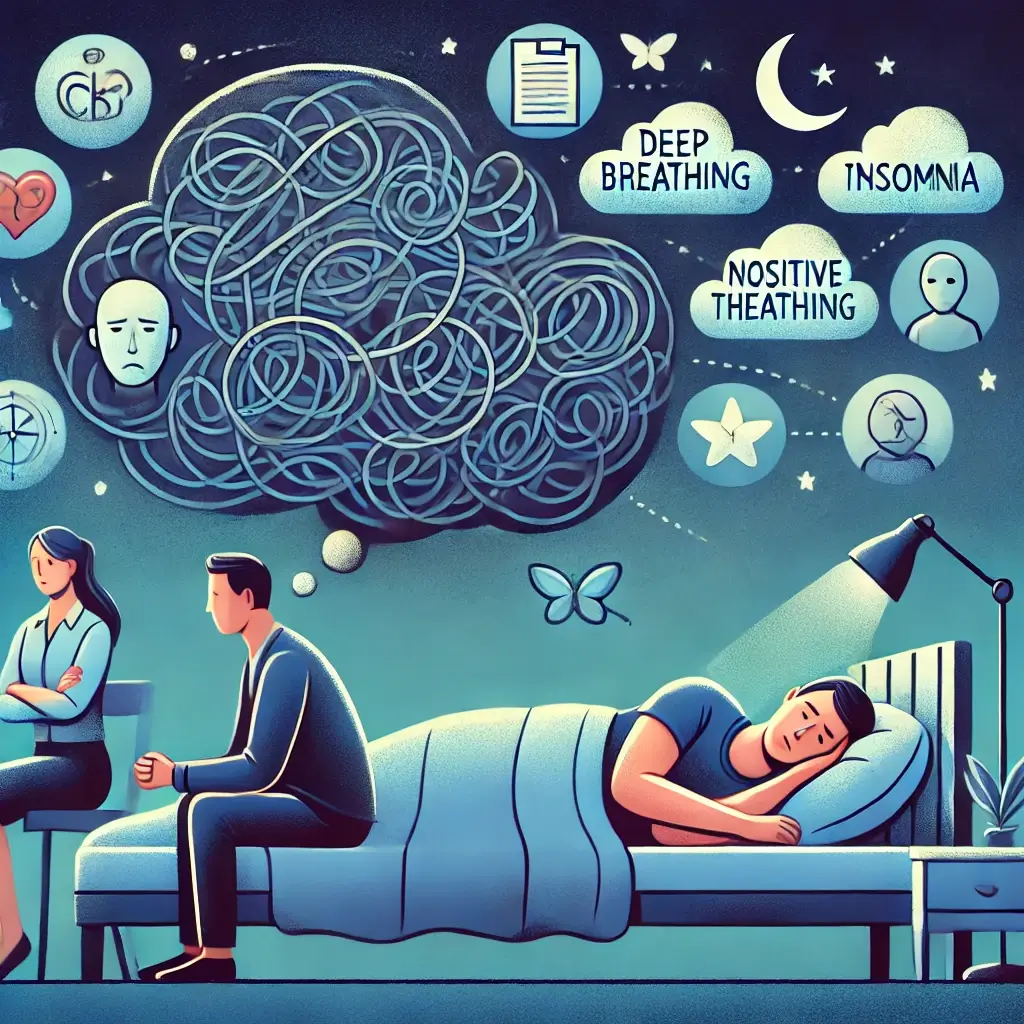
Concussions, categorized as mild traumatic brain injuries (mTBI), are frequently caused by sports accidents, falls, or sudden impacts and can significantly disrupt neurological functions—including mood, memory, and particularly, sleep. Among the most persistent symptoms post-injury, sleep disturbances interfere with the brain’s physiological healing processes and can prolong the effects of injury.
Quality sleep is vital for neural repair, especially after brain trauma. Non-REM and REM phases help clear metabolic waste, consolidate memory, and stimulate neuroplasticity. When sleep is disrupted post-concussion, these recovery stages are hindered, increasing risks of long-term consequences like post-concussion syndrome (PCS).
Current CDC and FDA guidelines encourage short-term rest (24–48 hours) followed by a return to regular, structured activities. Excessive or unstructured rest can negatively impact psychological health, leading to conditions such as cognitive fatigue, depression, and anxiety.
For individuals of all ages, from children to adults, maintaining regular sleep schedules, optimizing sleep environments, and addressing issues like circadian rhythm dysfunction and sleep apnea can significantly speed recovery and support sustainable brain function. This protocol offers a research-backed sleep recovery plan that assists in brain healing without relying on medications.
Latest Clinical Research and Recommendations
Extensive research affirms the vital role of sleep in concussion recovery. According to a 2022 review in Frontiers in Neurology, over 50% of patients with mild TBI experience sleep problems, which often persist for weeks or even months. Common sleep issues include insomnia, hypersomnia, fragmented sleep, and delayed sleep phase disorder.
Biologically, concussions disrupt the hypothalamus and brainstem, which are responsible for regulating internal circadian rhythms, further complicating sleep recovery. Research from Harvard Medical School found that disruptions in melatonin production and circadian signaling significantly impair cognitive function in mTBI patients.
Guidance from the American Academy of Sleep Medicine (AASM) encourages light cognitive and physical activity once tolerated while maintaining a consistent sleep-wake schedule to encourage holistic recovery. Extreme inactivity or overstimulation is strongly discouraged.
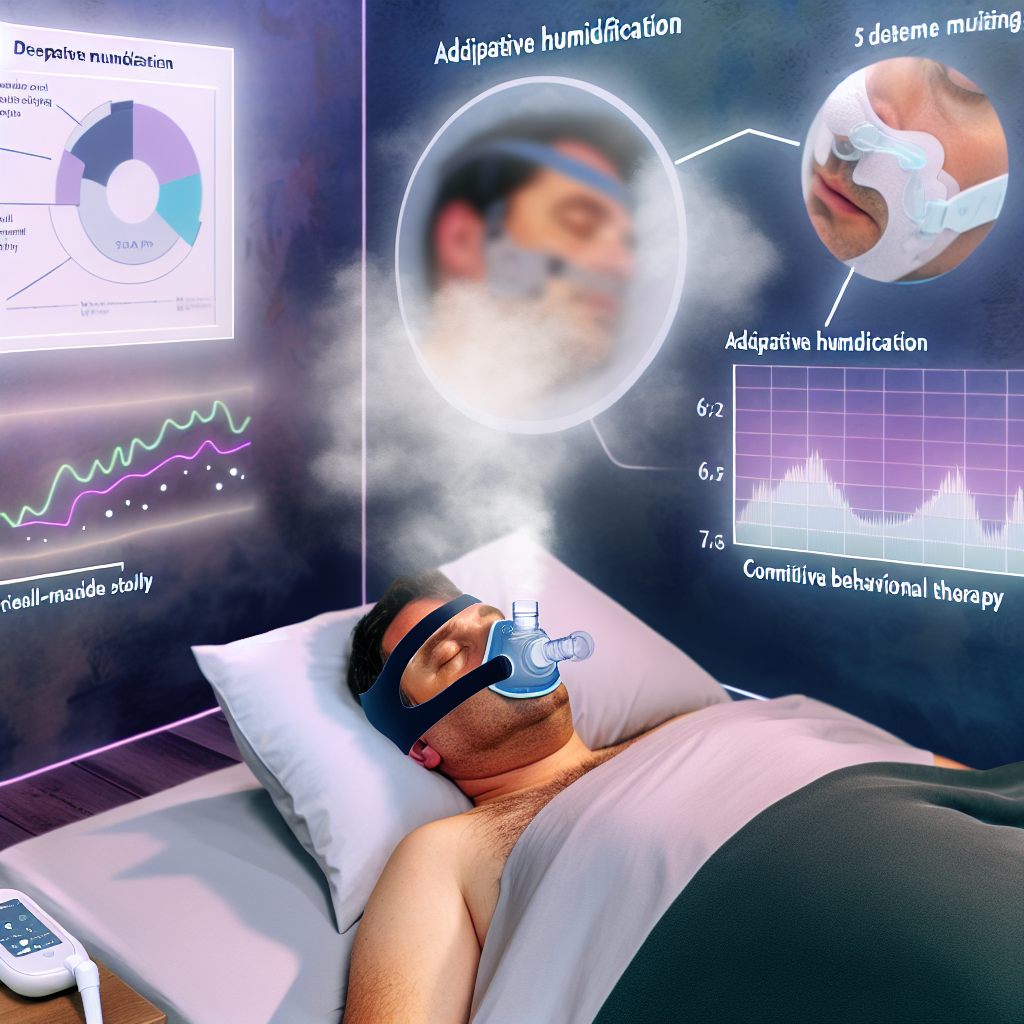
Therapeutic tools, such as Cognitive Behavioral Therapy for Insomnia (CBT-I), also show positive outcomes. A University of Pittsburgh study reported that CBT-I improved sleep hygiene and decreased overall TBI-related symptoms such as anxiety and headaches, which often present alongside sleep disturbances.
Also noteworthy are findings from actigraphy and polysomnography advanced monitoring tools that show improved outcomes when patients adhere to structured routines. This technology enables real-time adjustments and personalized treatment for improved recovery outcomes.
Overall, sleep is more than passive rest—it’s an intentional healing modality. Applying structured routines, behavioral strategies, and evidence-backed tools ensures patients actively contribute to their own neural repair journey.
Post-Concussion Sleep Recovery Protocol: Key Recommendations
1. Initial Rest Phase (0–48 hours post-injury)
– Minimize exposure to screens and stimulating environments
– Provide restful, quiet conditions for light cognitive rest
– Avoid full sedation or long daytime naps
– Do not resume physical activity until medically cleared
2. Return to Structured Sleep Schedule (3–10 days post-injury)
– Set a fixed bedtime and wake time, even on weekends
– Restrict naps to 20–30 minutes, preferably early afternoon
– Track progress using wearable sleep devices or sleep journals
– Gradually reintroduce light cognitive tasks like reading
3. Optimize Sleep Environment
– Ensure dark, quiet, and cool bedroom conditions
– Remove all bright or blue light sources before bedtime
– Use blackout shades, white noise machines, or eye masks as needed
– Maintain a tidy, stress-free sleeping space free from devices
4. Support Natural Melatonin Production
– Get natural sunlight exposure within an hour of waking to stabilize circadian rhythm
– Limit screen exposure in the evening
– Avoid caffeine, nicotine, and other stimulants six hours before sleep
– Speak with a clinician prior to using melatonin supplements
5. Incorporate Cognitive and Emotional Support
– Practice consistent nighttime routines (e.g., warm shower, journaling, meditation)
– Use guided breathing or mindfulness apps (e.g., Calm, Headspace)
– Evaluate persistent symptoms like nightmares or depression—seek professional help
– Engage with counselors or neuropsychologists familiar with post-concussion care
6. Consult a Sleep or Neurology Specialist If Necessary
– If insomnia or other issues persist longer than one month
– For symptoms of obstructive sleep apnea, restless legs, or vivid parasomnias
– If cognitive symptoms remain after sleep patterns normalize
– Consider overnight sleep studies for detailed diagnostics
Conclusion
Sleep is critical to neurological recovery post-concussion. By treating sleep health as a core therapy instead of an afterthought, individuals can accelerate recovery and reduce the risks of chronic symptoms such as post-concussion syndrome or cognitive fatigue.
Healing varies by person, but consistent, high-quality rest in a structured environment supports neural plasticity and emotional balance. Combining sleep hygiene practices, behavioral therapies like CBT-I, and clinical monitoring allows for whole-brain healing.
Caregivers, healthcare professionals, and family members play a vital role in reinforcing healthy sleep behaviors. By prioritizing regulated rest alongside physical and cognitive care, patients are empowered to recover thoughtfully and completely.
Concise Summary
Sleep disruptions are a common but critical issue following concussions. A well-structured post-concussion sleep recovery protocol—emphasizing regular sleep schedules, sleep hygiene, and therapeutic interventions—can significantly expedite neurological healing. Supported by recent clinical research, the protocol advises brief rest immediately after injury, followed by a return to light activity and consistent sleep patterns. Cognitive Behavioral Therapy for Insomnia and technology-based tracking tools enhance sleep quality and recovery outcomes. Caregivers and clinicians must address sleep health as an integral part of post-concussion rehabilitation to reduce the risk of long-term complications and improve emotional and cognitive wellbeing.
References
1. Frontiers in Neurology – Sleep Disorders Following Concussion
2. National Library of Medicine – Sleep Disturbance Following Traumatic Brain Injury
3. Journal of Clinical Sleep Medicine – Consensus Paper on Sleep and Concussion
4. National Library of Medicine – CBT-I for Sleep Improvement in mTBI
5. CDC – Concussion Protocol

Dominic E. is a passionate filmmaker navigating the exciting intersection of art and science. By day, he delves into the complexities of the human body as a full-time medical writer, meticulously translating intricate medical concepts into accessible and engaging narratives. By night, he explores the boundless realm of cinematic storytelling, crafting narratives that evoke emotion and challenge perspectives.
Film Student and Full-time Medical Writer for ContentVendor.com