Sleep Apnea Pre-Habilitation – Breathing and Myofunctional Exercises to Support PAP Therapy
Introduction
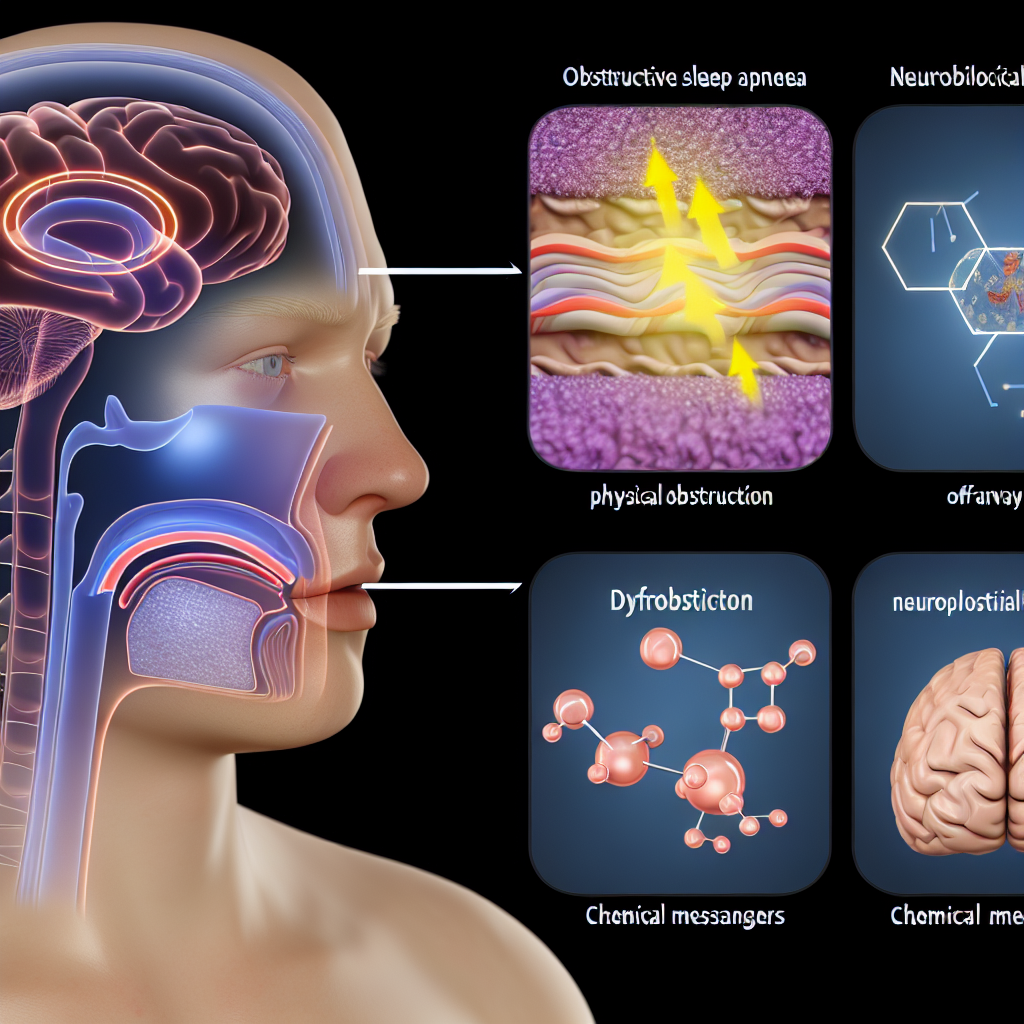
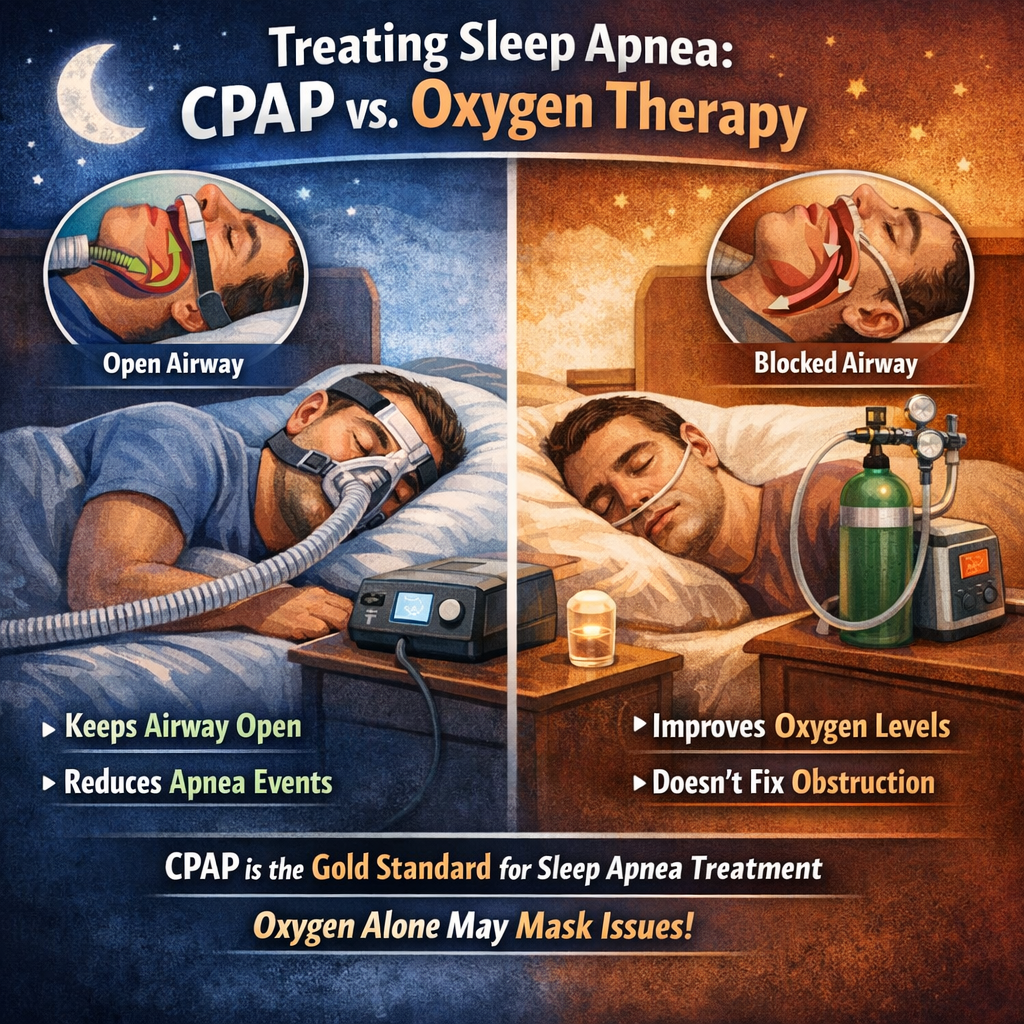
Sleep apnea is a widespread and often underrecognized sleep disorder, characterized by repeated breathing interruptions during sleep, known as apneic events. These episodes can result in poor-quality, fragmented sleep and may significantly strain the cardiovascular and respiratory systems. The frontline treatment for obstructive sleep apnea (OSA) is Continuous Positive Airway Pressure (PAP) therapy, which maintains open airways by delivering a constant stream of air.
However, success with PAP largely depends on the patient’s ability to tolerate and consistently use the device. Many individuals experience early setbacks due to physical discomfort, claustrophobia, difficulty with mask fit, nasal congestion, or airway resistance. These barriers often lead to PAP therapy noncompliance, which diminishes treatment effectiveness and long-term health outcomes.
Recognizing the importance of addressing these challenges proactively, the emerging concept of sleep apnea pre-habilitation is gaining traction. This approach focuses on preparing the body—particularly the airway and respiratory structures—before beginning PAP therapy. By incorporating non-invasive exercises that target the upper airway and encourage healthy breathing patterns, patients are more likely to adapt successfully to PAP therapy.
Breathing techniques such as diaphragmatic breathing, alternate nostril breathing from yoga, and the Buteyko method enhance oxygen exchange and reduce the reliance on upper chest muscles. Simultaneously, myofunctional therapy involves strengthening and retraining the muscles of the mouth, tongue, and throat. These exercises improve airway patency and can prevent airway collapse—a key mechanism behind OSA.
Implementing pre-habilitative interventions not only equips patients with the physiological readiness to begin PAP therapy but also improves their psychological preparedness and confidence in managing the condition. This model of care fosters long-term treatment adherence and better overall sleep health.
Features and Medical Evidence Supporting Pre-Habilitative Exercises
Over recent years, research has underscored the effectiveness of integrating facial and breathing muscle training into treatment plans for individuals with obstructive sleep apnea. A landmark meta-analysis published in Sleep (2015) by Camacho et al. found that oropharyngeal myofunctional therapy could reduce the Apnea-Hypopnea Index (AHI) by around 50% in adults and 62% in children with OSA.
These exercises target the tongue, soft palate, and throat muscles. By increasing their tone and endurance, patients experience fewer airway collapses during sleep, thereby improving air passage stability. A more resilient airway sets the stage for more effective and tolerable PAP therapy.
On the breathing side, therapies based on ancient yogic techniques and modern respiratory medicine have shown promise. Diaphragmatic breathing, a technique emphasizing abdominal muscle use rather than chest expansion, not only reduces respiratory rate but also elevates blood oxygen saturation and enhances parasympathetic (vagal) activity—key for achieving restorative sleep and emotional regulation.
Another increasingly recognized method is the Buteyko breathing technique. This approach, which teaches patients to breathe slowly and consciously through the nose while managing carbon dioxide levels, was shown in a 2020 clinical trial to improve symptoms in individuals with mild to moderate sleep apnea and reduce the time taken to fall asleep.
In addition to breathing optimization, tongue and soft palate strengthening therapies have been found highly effective. Exercises such as tongue suction against the roof of the mouth, exaggerated tongue movements, and volume-based phonation (e.g., repeating “ng,” “ka,” and “la” sounds) can retrain muscles linked to airway stability and snoring relief. According to a 2018 study published in Respiratory Physiology & Neurobiology, improved oropharyngeal control is directly correlated with better PAP therapy engagement.
Mouth breathing correction is another pillar of pre-habilitation. Mouth breathing alters jaw posture and may increase airway resistance. By teaching patients to breathe through the nose using strategies such as nocturnal lip taping (under professional supervision) and nasal dilators, airway openness is preserved during sleep. For individuals previously struggling with PAP mask fit or nasal obstruction issues, these interventions can be transformative.
Research points to a dual benefit: pre-habilitation not only supports PAP therapy tolerance during the early sensitive phase but also possibly lessens the required air pressure levels—improving comfort and minimizing the risk of pressure-related side effects, such as air leaks or dry mouth.
Conclusion
Sleep apnea pre-habilitation offers a powerful, integrative approach to sleep disorder management by engaging patients in techniques that prepare the body and mind for PAP therapy. Rather than relying solely on mechanical solutions following diagnosis, this preventive strategy enhances airway muscle strength and refines breathing efficiency, subsequently minimizing therapy-related discomfort and increasing long-term compliance.
By incorporating these breathing and oral-muscle training exercises before beginning PAP use, patients can experience smoother transitions with better sleep outcomes. Clinicians are encouraged to view pre-habilitation not as ancillary but as foundational to optimizing treatment.
As medicine continues shifting toward preventive and holistic care, these practices may become just as standard as prescribing PAP equipment. Patients gain empowerment in managing their condition, preventing recurrence, and maximizing health—one breath and strengthened muscle at a time.
References
For customized pre-habilitation programs, consult a board-certified sleep specialist or an orofacial myofunctional therapist experienced in breathing retraining.
Concise Summary
Sleep apnea pre-habilitation uses breathing techniques and orofacial exercises to prepare patients for PAP therapy. These interventions strengthen the airway, reduce muscle collapsibility, and improve nasal airflow, facilitating more successful adaptation to PAP devices. Supported by clinical research, including reduced Apnea-Hypopnea Index and enhanced comfort, this holistic approach boosts treatment adherence and can even reduce necessary PAP pressure levels. Pre-habilitation empowers patients with tools to enhance outcomes and promote long-term sleep health, shifting care toward prevention and whole-person management of obstructive sleep apnea.

Dominic E. is a passionate filmmaker navigating the exciting intersection of art and science. By day, he delves into the complexities of the human body as a full-time medical writer, meticulously translating intricate medical concepts into accessible and engaging narratives. By night, he explores the boundless realm of cinematic storytelling, crafting narratives that evoke emotion and challenge perspectives.
Film Student and Full-time Medical Writer for ContentVendor.com