Advanced Sleep Tracking Data Interpretation – Moving Beyond Scores to Actionable Insights
Introduction
In an era when digital health innovations are redefining personal wellness, sleep tracking has become a mainstream tool for improving sleep quality. Wearable devices, smartphone apps, and even smart mattresses now provide detailed information on our sleeping habits. However, while this sleep data is readily available, understanding what it truly means—and how to translate it into meaningful lifestyle changes—remains a challenge for most users.
The traditional sleep score—a single number based on metrics like duration, continuity, and efficiency—is helpful for getting a general overview. But it often oversimplifies the complex dynamics of sleep health. As research continues to expand, it’s becoming clear that focusing solely on this summary metric fails to provide a comprehensive view.
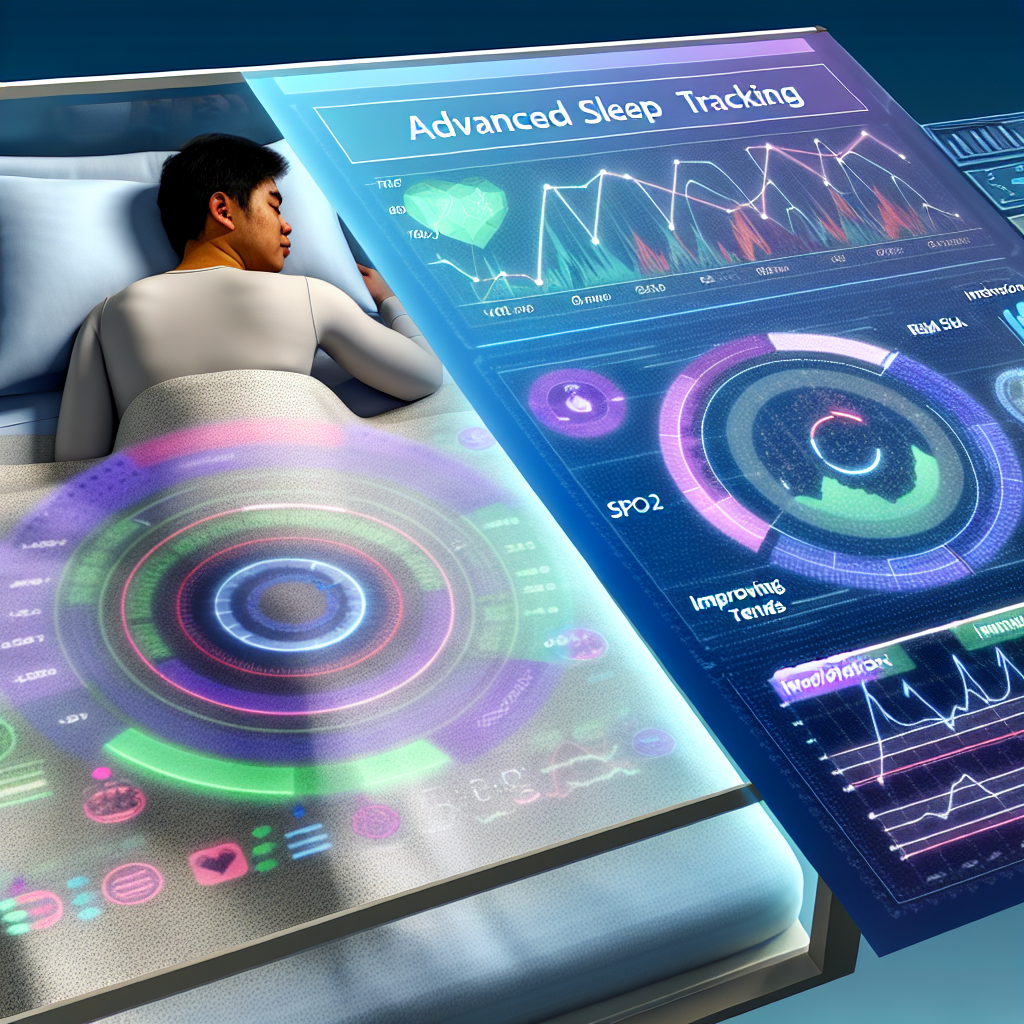
Today’s advanced sleep tracking technologies monitor more than just sleep hours. Metrics like heart rate variability (HRV), blood oxygen levels (SpO₂), respiratory rate, motion patterns, and even circadian rhythm alignment are becoming standard. These high-resolution inputs can reveal not just how long someone sleeps, but how effectively their body recovers and responds during it.
By analyzing trends over time—such as recurring disruptions in the REM cycle or consistently low deep sleep—users can correlate patterns with lifestyle behaviors, emotional states, or environmental factors. In turn, this allows for more targeted lifestyle interventions such as reducing caffeine, optimizing meal timing, improving physical recovery strategies, or adjusting lighting exposure.
Such detailed insights are also gaining traction among healthcare providers. When correctly interpreted, this information can highlight symptoms of underlying health conditions, help improve mental wellness, and even aid in recovery from burnout or chronic illness.
In this article, we explore how interpreting advanced wearable data leads to better self-awareness, lifestyle choices, and clinical integrations—taking you from passive tracking to truly personalized sleep optimization.
Features and Relevant Studies
Advanced sleep tracking metrics are grounded in ongoing research in neuroscience, chronobiology, and cardiology. These metrics offer detailed insights into specific sleep stages and how they relate to both mental and physical health outcomes.
REM Sleep & Emotional Health: A study published in Nature Communications confirms that REM sleep plays a key role in emotional regulation and memory processing. Devices that reveal fragmented or limited REM sleep may be identifying signs of psychological stress or anxiety, indicating a need for calming evening routines or even mental health evaluation.
Heart Rate Variability (HRV) & Recovery: HRV measures fluctuations between heartbeats and reflects how well your nervous system responds to stress. A 2021 study from the journal Sleep Health found high HRV during sleep to be an important marker of cardiovascular and stress health. A downward trend can signify overtraining, insufficient recovery, or lingering stress.
SpO₂ & Sleep Apnea Detection: Measuring overnight blood oxygen saturation helps detect obstructive sleep apnea (OSA). According to the American Academy of Sleep Medicine, dips in SpO₂ levels while sleeping indicate impaired breathing that should be evaluated medically. Some wearables now alert users to patterns that resemble apnea episodes, prompting earlier intervention.
Circadian Rhythm Alignment: Sleep timing metrics help identify misalignment between your biological clock and actual sleep schedules. A 2020 study in Chronobiology International pointed to erratic sleep patterns as a contributor to insomnia and fatigue. Tools like the Biostrap or SleepScore Max track onset and wake times to help users reset rhythms using strategies like morning natural light exposure or melatonin.
Athletic Optimization: A 2022 collaborative study from the National Sleep Foundation and NCAA concluded that personalized sleep interventions based on biometric data dramatically improved athletic recovery and in-game performance. This reinforces how athletes—and active individuals—can use sleep insights to time rest periods, monitor exertion, and structure recovery for improved physical output.
AI Integration & Personalized Suggestions: Sleep platforms like Garmin and Fitbit now deploy machine learning to analyze your cumulative sleep trends and offer daily guidance. This includes suggestions such as adjusting gym times, meal plans, or caffeine consumption based on previous night’s sleep depth, HRV, or recovery time.
As a whole, tracking individual trends across multiple physiological dimensions is more powerful than simply chasing a high sleep score. These insights allow people to make strategic modifications in lifestyle—which improves overall health without needing pharmaceutical intervention.
Conclusion
The future of sleep wellness is rooted in data interpretation—not just data collection. While overall sleep scores are useful indicators, rich health information lies in the deeper signals: REM sleep behavior, HRV fluctuations, oxygen saturation levels, and sleep-wake consistency. These metrics offer context and direction for real behavioral change.
Understanding and applying these insights encourages users to take a proactive role in their sleep health, much like they would with fitness or nutrition. As consumer devices evolve, the line between casual monitoring and clinical diagnostics will continue to blur, ultimately allowing greater personalization, early condition detection, and more effective wellness strategies.
By combining evidence-backed sleep science with intuitive data tools, you’re not just tracking your sleep—you’re enhancing it with intention.
Concise Summary
Modern sleep tracking goes far beyond measuring how long you rest. With advanced tools that analyze heart rate variability, oxygen levels, circadian rhythms, and sleep architecture, today’s devices help users turn vague sleep data into precise, behavior-changing insights. By diving deeper than summary scores, you can address stress, circadian misalignment, and early signs of sleep disorders. Backed by science and integrated AI, this next step in sleep technology transforms sleep tracking from passive logging to proactive self-care—unlocking better recovery, focus, and overall health.
References
1. REM Sleep and Emotional Regulation – Nature Communications
2. Heart Rate Variability and Sleep Recovery – Sleep Health
3. Blood Oxygen Monitoring for Sleep Apnea Detection – AASM
4. Circadian Rhythm Disorders – Chronobiology International
5. Sleep Tracking for Athletes – National Sleep Foundation
6. The Science Behind Sleep Trackers – Harvard Health Publishing

Dominic E. is a passionate filmmaker navigating the exciting intersection of art and science. By day, he delves into the complexities of the human body as a full-time medical writer, meticulously translating intricate medical concepts into accessible and engaging narratives. By night, he explores the boundless realm of cinematic storytelling, crafting narratives that evoke emotion and challenge perspectives.
Film Student and Full-time Medical Writer for ContentVendor.com