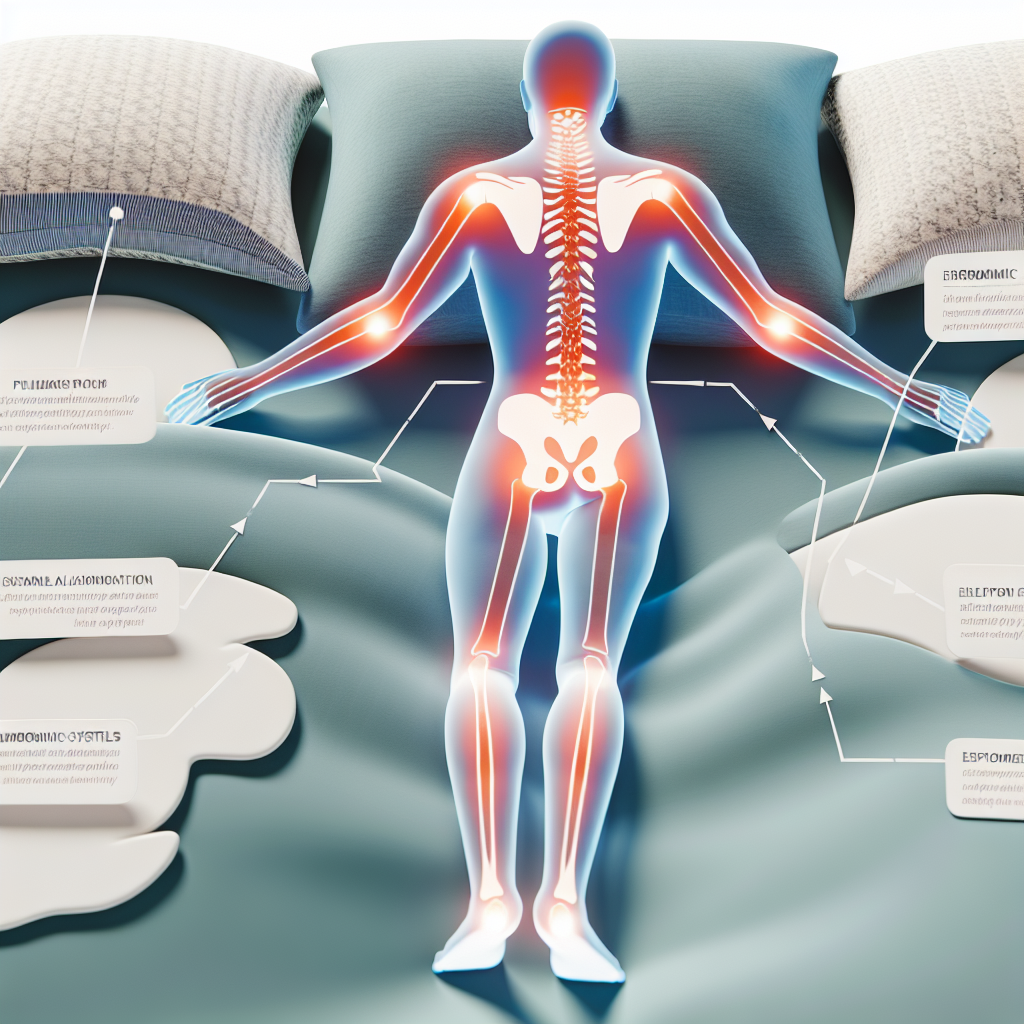
The Orthopedic Sleep Position System – Pillow Fortification for Back, Side, and Stomach Sleepers with Pain
Introduction
Sleep is meant to be the body’s most restorative function. However, poor sleep posture and a lack of proper support can turn these critical hours into a recurring source of discomfort and pain. As a result, more people are turning toward an orthopedic sleep position system—a structured solution that focuses on aligning the spine and reducing pain based on individual sleep styles, whether you’re a back sleeper, side sleeper, or stomach sleeper.
The heart of this system lies in the principle of pillow fortification: using ergonomically placed pillows to support spinal alignment, reduce joint pressure, and allow muscles, ligaments, and discs to heal overnight. This provides profound benefits for individuals suffering from chronic pain issues such as back pain, neck pain, arthritis, or recovering from surgeries.
Many people unknowingly worsen pain by using unsuitable sleeping arrangements. The wrong pillow or unsupportive mattress can contribute to misalignment, disturbing the regenerative process intended during sleep. For instance, sleeping flat on the back without knee support can strain the lower spine, while sleeping on your side without a knee pillow can twist the hips and spine.
Adopting a modern orthopedic sleep positioning system means integrating support tools like memory foam pillows, adjustable wedges, and posture-corrective overlays for every sleep position. Individuals of all ages—children, adults, and seniors—can benefit from personalized pillow placement that corrects or prevents musculoskeletal complications.
This article delves into how applying an orthopedic pillow strategy can reduce nightly pain and enhance long-term comfort. It features expert guidance and clinical studies on optimal pillow ergonomics based on individualized sleeping styles.
Features and Clinical Insights
Recent research supports the concept that the correct use of pillows can maintain healthy spinal posture and significantly decrease pain. A comprehensive study in the Journal of Physical Therapy Science concluded that targeted pillow use and optimized sleep positions minimized chronic lower back pain and improved sleep continuity.
Spinal alignment during rest is essential for stress-free healing. The spine consists of three natural curves—the cervical, thoracic, and lumbar regions—which must be preserved during sleep. Pillows that are too soft, firm, or inappropriately shaped can cause the head or spine to fall out of alignment, increasing tension and inflammation.
Pillow Fortification for Back Sleepers
Back sleepers are typically prone to lumbar strain due to gaps under the spine that allow the lower back to collapse downward. To prevent this, place a small pillow under the knees to sustain lumbar curvature. Additionally, a contoured neck pillow helps cradle the neck and head, reducing pressure on cervical vertebrae. According to the Cleveland Clinic, this setup is especially effective for individuals experiencing herniated discs or degenerative disc disease.
Pillow Fortification for Side Sleepers
Side sleepers often experience misalignment in hips and shoulders, which may aggravate sciatica, hip pain, or shoulder strain. Positioning a firm pillow between the knees keeps the hips level and reduces spinal torsion. A full-body pillow for arm and torso support can further stabilize alignment, minimizing joint pressure.
A pillow of the proper loft (height) under the head ensures the neck remains level with the spine. An American Chiropractic Association survey noted significant reductions in shoulder and hip discomfort with proper side-sleeping pillow systems.
Pillow Fortification for Stomach Sleepers
Stomach sleeping is widely discouraged due to increased neck rotation and strain across the lumbar region. However, those who can’t sleep otherwise should adopt fortifications to minimize risk. A thin pillow beneath the abdomen prevents excessive inward curvature of the lower back, while a face-down pillow allows room for breathing without twisting the neck, thereby reducing cervical misalignment.
Innovative Orthopedic Sleep Materials
New materials like gel memory foam, cooling latex, and adjustable wedge pillows allow users to customize firmness, height, and contouring for better comfort and spinal health. These materials are particularly helpful for those with heat-related sleep disruptions, reflux, or strict positional needs.
According to the National Sleep Foundation, implementing these innovations into sleep routines contributes greatly to emotional health, inflammation control, and overall sleep quality.
Conclusion
Sleep plays a critical role in healing, and yet for millions of people, improper positioning turns it into a hidden health liability. The orthopedic sleep position system offers a practical, medically supported solution to this overlooked problem.
Through pillow fortification, individuals can enhance sleep posture by supporting key joints and preserving spinal curves. Whether by placing a pillow under the knees, between the thighs, under the belly, or aligning the upper body, consistent support can reduce strain and improve sleep quality.
For those suffering from chronic pain or poor sleep quality, even small changes—such as switching to a neck-aligning pillow or adjusting your leg placement—can bring noticeable relief. With the right support system, every night can become a step towards a healthier, pain-free life.
References
– Journal of Physical Therapy Science – Effects of pillow use on low back pain
– Cleveland Clinic – Pillow recommendations based on sleep style
– National Sleep Foundation – Comprehensive sleep hygiene guidelines
– American Chiropractic Association – Back pain and sleeping statistics
– Sleep Medicine Reviews – Cervical spine support effectiveness
Concise Summary
Orthopedic sleep position systems use targeted pillow placement to align the spine and reduce pain for any sleep style—back, side, or stomach. These systems support healing by maintaining natural spinal curves. Back sleepers benefit from knee elevation and neck support; side sleepers need knee and shoulder alignment; and stomach sleepers require abdominal support to reduce strain. Research confirms these strategies relieve pain and improve sleep quality. Using contoured, memory foam, or adjustable pillows enhances comfort and long-term health. Adopting this approach helps prevent chronic discomfort and improves overall well-being, making sleep not just restful, but truly restorative.

Dominic E. is a passionate filmmaker navigating the exciting intersection of art and science. By day, he delves into the complexities of the human body as a full-time medical writer, meticulously translating intricate medical concepts into accessible and engaging narratives. By night, he explores the boundless realm of cinematic storytelling, crafting narratives that evoke emotion and challenge perspectives.
Film Student and Full-time Medical Writer for ContentVendor.com