The Sleep and Weight Management Link – An Evening Protocol to Support Metabolism and Curb Night Eating
Introduction
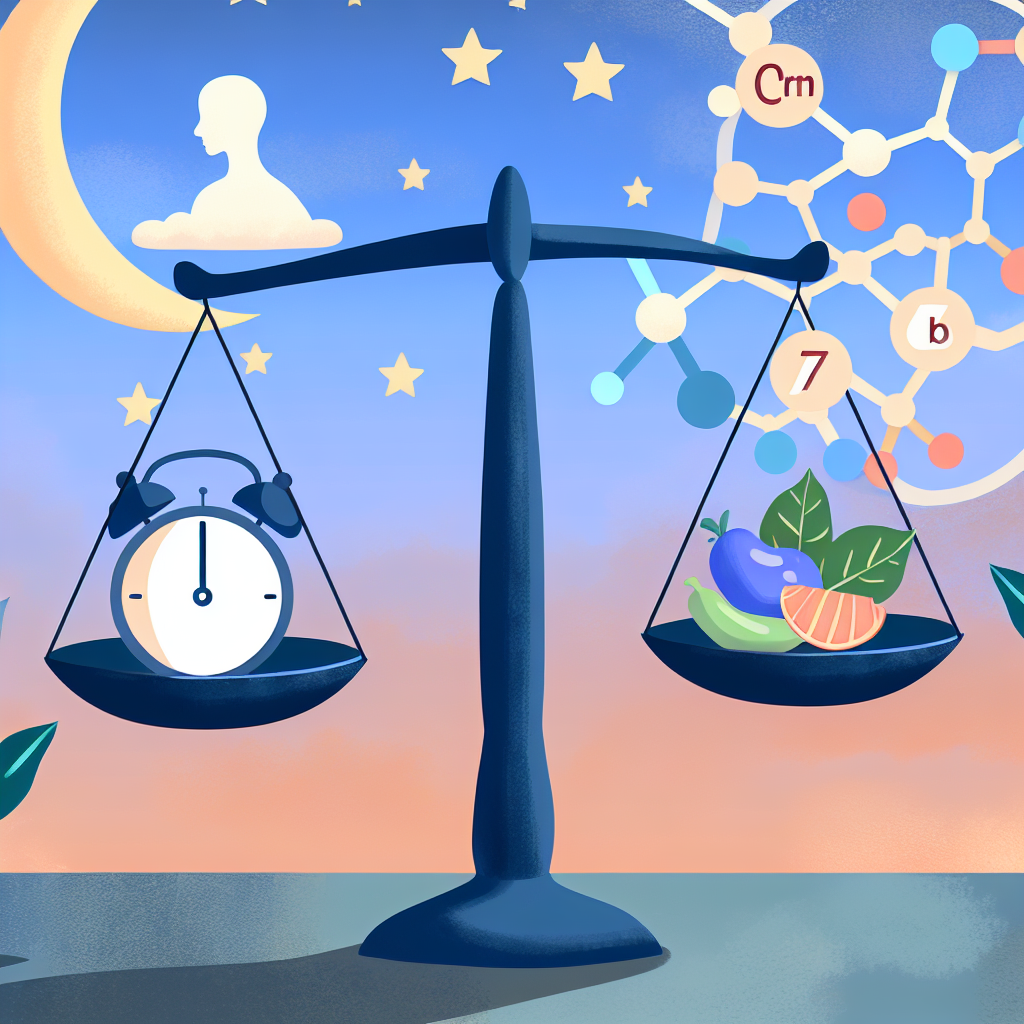
Maintaining a healthy weight is often seen through the lens of diet and exercise. However, a crucial piece of the wellness puzzle is frequently overlooked: sleep. Modern research is increasingly exposing the intricate relationship between sleep quality and weight management. Poor sleep doesn’t just leave you feeling groggy; it can drastically influence metabolism, appetite hormones, and ultimately, eating behavior. In particular, how we structure our evenings—including our sleep routines—can either support or sabotage our weight goals.
Lack of restful sleep has been associated with increased cravings, especially for calorie-dense, sugary foods. This is due to the impact sleep deprivation has on hormones like ghrelin (which increases appetite) and leptin (which signals fullness). When sleep is restricted, ghrelin levels rise and leptin levels fall, making it harder for individuals to resist evening snacking or binge eating. Some might refer to this phenomenon as night eating syndrome, where major portions of caloric intake happen after dinner and often close to bedtime.
Additionally, disrupted sleep can lead to insulin resistance—a metabolic condition where the body struggles to process glucose efficiently, setting the stage for weight gain, obesity, and even type 2 diabetes. Furthermore, chronic poor sleepers may experience slower metabolism, reduced energy expenditure, and altered circadian rhythm functions that disturb the body’s natural eating patterns.
Fortunately, establishing a structured evening protocol supports both better sleep and metabolism. Simple adjustments like changing meal timing, reducing exposure to artificial light, practicing relaxation techniques, and timing physical activities can transform the body’s internal environment, preparing it both for restorative sleep and healthy eating behavior. These changes help synchronize the body’s circadian rhythms, promoting hormonal balance and making it easier to maintain a healthy weight.
This article provides not only the evidence connecting sleep and weight management but also actionable, science-backed steps to design an evening routine that optimizes metabolism and reduces nighttime food cravings.
The Science Behind Sleep and Weight Management
Several clinical studies and scientific reviews underscore the deep connection between restful sleep and body weight regulation.
A prominent study published in the Annals of Internal Medicine revealed that people who had 5.5 hours of sleep per night experienced 55% less fat loss during a calorie-restricted diet compared to those who slept 8.5 hours. Even though calorie intake was equal, lack of sleep impaired fat metabolism and accelerated muscle loss, showcasing how sleep directly affects body composition.
Hormonal shifts during sleep deprivation further explain this connection. In a controlled study from the University of Chicago, just two nights of disrupted sleep increased ghrelin levels by 28% and decreased leptin by 18% (source). These hormonal imbalances significantly enhance hunger—especially for high-carb and sugary foods—and increase the likelihood of uncontrolled nighttime snacking.
Moreover, a study in the journal Sleep identified that insufficient sleep could alter brain signaling in the reward centers, making unhealthy food appear more appealing the next day. Functional MRI scans revealed increased activity in areas like the amygdala and insular cortex, which govern impulsiveness and eating behavior.
The body’s circadian rhythm—its natural biological clock—also influences weight regulation. This clock controls not just sleep-wake cycles but also important hormonal cycles determining hunger, energy use, and metabolism. Disruptions caused by late-night meals or artificial lighting confuse these metabolic signals. A 2017 study published in Current Biology showed that irregular sleep and meal timing misalign circadian rhythms and impair glucose regulation, consequently increasing fat storage.
From a clinical perspective, interventions like Cognitive Behavioral Therapy for Insomnia (CBT-I) have shown promise in improving sleep-related eating patterns. Once individuals improve their sleep quality, they tend to make healthier food choices and find it easier to maintain a balanced weight.
Developing an Evening Protocol to Support Sleep and Metabolism
A well-defined evening protocol can effectively enhance metabolism and reduce unhealthy nighttime cravings. Below are key strategies:
1. Avoid Large Meals Close to Bedtime: Eating a heavy dinner late can interfere with digestion and melatonin production, delaying sleep onset. Finish meals at least 2–3 hours before sleeping.
2. Consume Blood Sugar-Stabilizing Foods: If you need a snack, choose options that combine protein and healthy fats—like a boiled egg, or Greek yogurt with almonds. These choices prevent blood sugar spikes and support restful sleep.
3. Limit Sugar and Caffeine in the Evening: These stimulate cortisol production and affect your ability to fall and stay asleep, which in turn disrupts metabolic balance.
4. Adopt a Wind-Down Routine: Incorporate relaxing activities such as journaling, deep-breathing, or a warm bath to reduce evening anxiety and prepare your body for rest.
5. Dim Lights 90 Minutes Before Bed: Blue-light exposure from screens and bright lights signals the brain to stay awake. Use warm-toned bulbs or wear blue-light blocking glasses to support natural melatonin production.
6. Avoid Alcohol and Stimulants: Despite the sedative effects of alcohol, it disrupts REM sleep cycles, which are essential for metabolic renewal and hormonal regulation.
7. Exercise at Optimal Times: Physical activity improves sleep, but doing it too late may keep you awake longer. Aim to finish intense workouts at least four hours before bedtime.
8. Maintain a Consistent Sleep-Wake Schedule: Go to bed and wake up at the same times daily—even on weekends—to support the body’s circadian rhythm and improve hormonal balance for metabolism.
Conclusion
In the pursuit of better health and sustainable weight control, evening routines and sleep hygiene are powerful, often underutilized tools. Poor sleep doesn’t just lead to fatigue—it disrupts hormonal regulation, encourages cravings, slows metabolism, and increases the risk of weight gain.
By incorporating simple yet effective steps—such as finishing meals earlier, decreasing screen time before bed, engaging in stress-reducing practices, and sticking to a consistent sleep schedule—you prime your body for both restful sleep and optimized metabolic function.
Rather than viewing diet and exercise in isolation, integrating sleep as a pillar of wellness can dramatically enhance your results. Think of sleep not as a luxury but as a cornerstone of health, weight management, and energy balance.
Concise Summary
Poor sleep disrupts hormones that regulate appetite and metabolism, contributing to cravings, overeating, and weight gain. This article explores the strong connection between sleep and weight management, backed by scientific studies. It highlights how late-night eating, irregular routines, and poor sleep hygiene impair fat loss and increase insulin resistance. Implementing an evidence-based evening protocol—incorporating earlier meal timing, relaxation practices, and consistent sleep schedules—can stabilize hormones, improve sleep quality, and support weight goals. Prioritizing sleep is a critical yet often overlooked strategy for achieving lasting health and metabolic balance.
References
– Annals of Internal Medicine: Sleep and Fat Metabolism
– NIH: Sleep and Appetite Hormones
– PubMed: Sleep Deprivation and Brain Reward Systems
– Current Biology: Circadian Misalignment and Metabolic Consequences

Dominic E. is a passionate filmmaker navigating the exciting intersection of art and science. By day, he delves into the complexities of the human body as a full-time medical writer, meticulously translating intricate medical concepts into accessible and engaging narratives. By night, he explores the boundless realm of cinematic storytelling, crafting narratives that evoke emotion and challenge perspectives.
Film Student and Full-time Medical Writer for ContentVendor.com