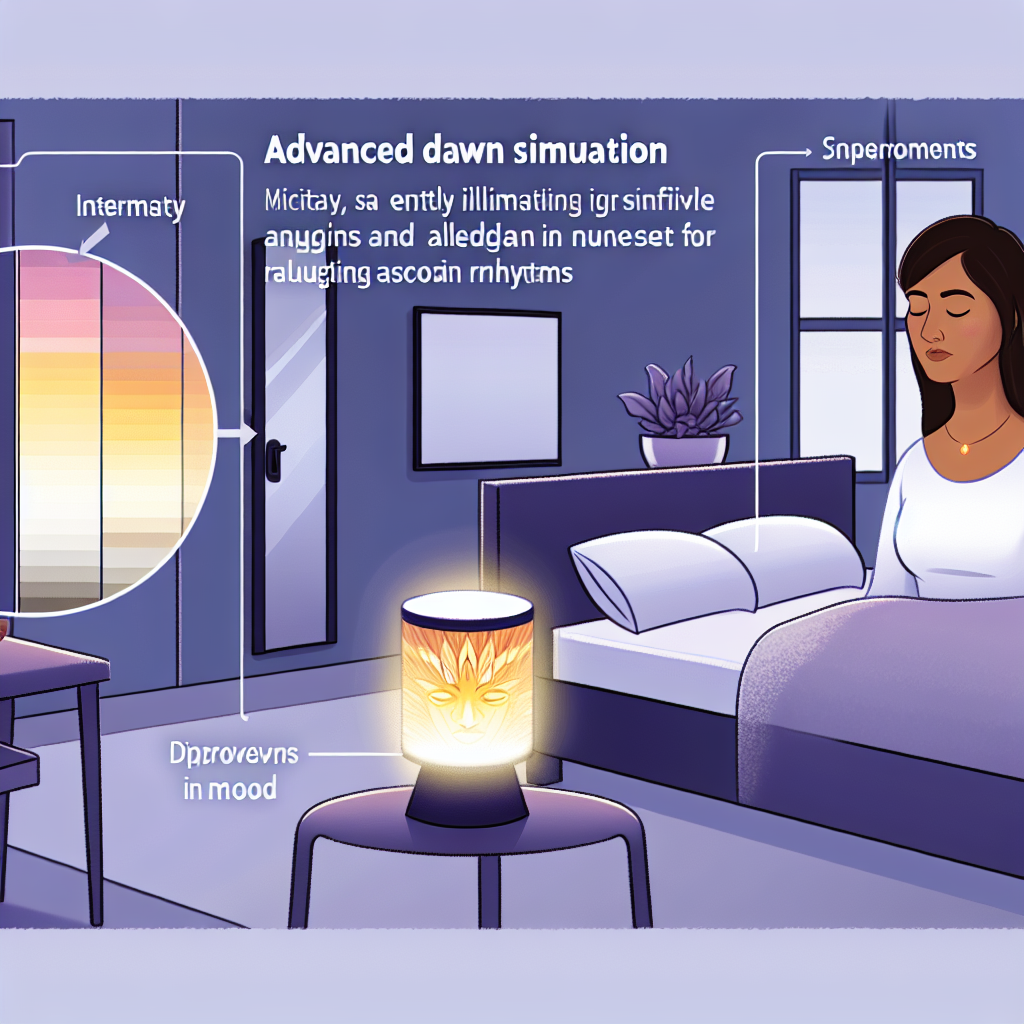
Advanced Dawn Simulation Therapy: Customizing Light Intensity and Ramp Time for Seasonal Affective Disorder
Introduction
As the nights grow longer and days shorten, many individuals experience a noticeable shift in mood and energy levels. This condition, known as **Seasonal Affective Disorder (SAD)**, is a type of depression that occurs at a specific time of year, usually during the fall and winter months. It is estimated that **SAD** affects about 5% of the U.S. population, with symptoms ranging from fatigue and sadness to a loss of interest in usual activities. As understanding of **SAD** has grown, so too have strategies for its management. A promising avenue is **dawn simulation therapy**, a specialized type of **light therapy** that mimics natural morning sunlight to help regulate sleep patterns and mood.
**Dawn simulation therapy** operates on the principle that exposure to light influences the body’s **circadian rhythms**—our natural internal clock that dictates sleep-wake cycles. Unlike traditional **light therapy boxes** that expose individuals to bright light for prolonged periods, **dawn simulators** gradually increase the light level in your bedroom for a specific duration before you awaken. This gradual increase, known as the **ramp time**, mimics the natural rise of the sun, encouraging a smoother transition from sleep to wakefulness.
Recent advances in **dawn simulation** have introduced customizable features, including adjustments in **light intensity** and **ramp time**. These advancements allow users to tailor the therapy to their specific needs, potentially enhancing its efficacy in alleviating **SAD** symptoms. Customization is vital as it considers variables such as individual sensitivity to light, sleep patterns, and severity of symptoms. By optimizing these factors, advanced dawn simulators offer a personalized approach to managing **SAD**, ultimately aiming to improve sleep quality, mood, and overall well-being.
In this article, we’ll delve into the intricacies of **dawn simulation**, explore the latest research supporting its use, and discuss how customizing **light intensity** and **ramp time** can help combat the debilitating effects of seasonal depression.
Features
The efficacy of **dawn simulation therapy** in managing symptoms of **SAD** is supported by a growing body of research. Studies have shown that **dawn simulation** can positively affect mood and sleep patterns by aligning the **circadian rhythms** more closely with an individual’s natural sleep-wake cycle. A pivotal study published in the journal [**Biological Psychiatry**](https://www.biologicalpsychiatryjournal.com) found that **dawn simulation** improved mood and mitigated the symptoms of **SAD** more effectively than a placebo. Participants reported feeling more refreshed and awake upon rising, contributing to a more positive mood throughout the day.
A key advancement in **dawn simulation therapy** is the ability to customize the **light intensity** and **ramp time**. According to research from the [**Centre for Chronobiology at the University of Basel**](https://chronobiology.unibas.ch), **light intensity** is crucial because low-intensity light is less effective at triggering the body’s wakefulness response, while overly intense light can be disturbing and counterproductive. The study suggests that optimal **light intensity** should be individualized, considering factors such as sleep quality, light sensitivity, and personal preference.
Adjusting the **ramp time** is another vital feature of personalized **dawn simulation therapy**. A study conducted by the [**Lighting Research Center**](https://www.lrc.rpi.edu) demonstrated that altering the **ramp time** could significantly affect **sleep inertia**—the grogginess experienced upon waking. Shorter **ramp times** may not provide enough gradual adjustment for the brain and body, resulting in persistent morning drowsiness. In contrast, longer **ramp times** offer a smoother transition, enhancing alertness and cognitive function upon waking.
**Medical professionals** often recommend **dawn simulation** as part of a comprehensive treatment plan for **SAD**, which may include **cognitive behavioral therapy** or medication. For individuals hesitant about pharmaceutical interventions, **dawn simulation** presents a non-invasive alternative. The customization options make it adaptable for varied lifestyles, as the therapy schedule can be aligned with daily routines.
Conclusion
As awareness of **Seasonal Affective Disorder** grows, so does the importance of effective management strategies. Advanced **dawn simulation therapy** offers a compelling solution by allowing tailored adjustments in **light intensity** and **ramp time**, thereby providing a more personalized treatment experience. By aligning **circadian rhythms** with natural environmental cues, **dawn simulators** not only improve sleep quality but also enhance mood, energy levels, and overall life satisfaction during the darker months of the year.
For those seeking to combat the debilitating effects of **SAD**, advanced **dawn simulation therapy** represents a beacon of hope. Its non-invasive, customizable nature makes it an attractive option for many, particularly those wary of medication. The promise of waking up to a gentle, simulated sunrise—meticulously crafted to meet individual needs—underlines the potential for **dawn simulation** to transform the management of seasonal depression. For more information on dawn simulation therapy and its benefits, consider reviewing the published studies in **Biological Psychiatry** and resources from the **Lighting Research Center**.
**Concise Summary:**
Advanced **dawn simulation therapy** for **Seasonal Affective Disorder (SAD)** replicates natural sunlight to improve mood and sleep by aligning **circadian rhythms**. Customizable **light intensity** and **ramp time** enhance treatment efficacy. Studies, including those in **Biological Psychiatry**, support dawn simulation for mitigating **SAD** symptoms. Tailoring these features considers **light sensitivity** and personal preferences, offering a non-invasive alternative to medication. Benefit from improved alertness and mood by adopting personalized dawn simulation therapy. Explore resources from the **Lighting Research Center** for more insights. Always consult healthcare professionals for personalized advice.

Dominic E. is a passionate filmmaker navigating the exciting intersection of art and science. By day, he delves into the complexities of the human body as a full-time medical writer, meticulously translating intricate medical concepts into accessible and engaging narratives. By night, he explores the boundless realm of cinematic storytelling, crafting narratives that evoke emotion and challenge perspectives.
Film Student and Full-time Medical Writer for ContentVendor.com