Why Your Snoring Partner Might Be a Hidden Risk to Your Kid’s Brain Development
Introduction
**Sleep** is a fundamental pillar of health, especially for growing children. A child’s brain undergoes significant development during sleep, affecting cognitive functions, emotional regulation, and overall growth. However, the tranquility of nighttime rest can be disturbed by an often-overlooked disruptor—**snoring**. Many households contend with **snoring family members**, usually dismissing it as a minor annoyance. Yet, recent studies indicate having a snoring adult in the household, particularly a parent, might have more profound implications than perceived, especially concerning the brain development of children.
**Snoring**, predominantly rooted in conditions like **obstructive sleep apnea (OSA)**, affects over 25% of men and about 10% of women. While statistics on adults are well-documented, the indirect effects of such nocturnal disruptions on children are less explored. The rhythmic rumble of snoring might seem benign, but for children, the outcomes could include poorer sleep quality, detachment from necessary sleep stages, and a potential cumulative impact on brain development.
Even if a child’s slumber seems unperturbed by the nocturnal commotion of a snoring parent, studies reveal that ambient disturbances can still detract from sleep quality. Quality sleep involves transitions through various stages, notably **slow-wave sleep (SWS)** and **rapid eye movement (REM)** stages, which are crucial for **neurodevelopment**. During REM sleep, the brain is extraordinarily active, facilitating the processing and storage of experiences. Children who don’t progress through these stages may experience developmental delays.
Additionally, children often model their parents’ behaviors. If a child observes that their parent normalizes a disrupted sleep environment or does not prioritize seeking solutions for **OSA**, they may adopt similar attitudes toward **sleep health** in the future. Hence, it’s crucial to examine how these familial patterns might silently hinder a child’s cognitive and emotional growth.
Features
The connection between **parent snoring** and children’s brain development is underpinned by research highlighting the importance of uninterrupted sleep for children’s neurological maturation. A study published in the journal [*Sleep*](https://academic.oup.com/sleep/article/38/2/189/2417143) outlines the negative effects of disrupted sleep on neurocognitive development in children. The findings suggest that even subtle disturbances can impair executive functions such as attention, memory, and problem-solving skills.
Further research in [*Pediatrics*](https://pediatrics.aappublications.org/content/early/2015/04/01/peds.2014-2684) has shown that children exposed to irregular sleep patterns often exhibit behavioral problems akin to attention-deficit hyperactivity disorder (**ADHD**), stemming from the interruption of crucial sleep cycles. In this context, snoring or **OSA** becomes more than a personal health issue, transpiring instead into a broader familial challenge.
There is also a growing body of evidence that illuminates the impacts of sleep disruption in shared sleeping environments. When children share rooms with adults who **snore**, their exposure to frequent noise disrupts the deep sleep cycles essential for **synaptic pruning**—a process critical during brain development in childhood. Synaptic pruning is necessary to remove excess neural connections, ensuring efficient brain function.
Researchers have also found links between childhood exposure to ambient household noises and altered **cortisol levels**—an indicator of stress. High cortisol levels, over time, can impair learning and memory capabilities in children, which is crucial during school-age years.
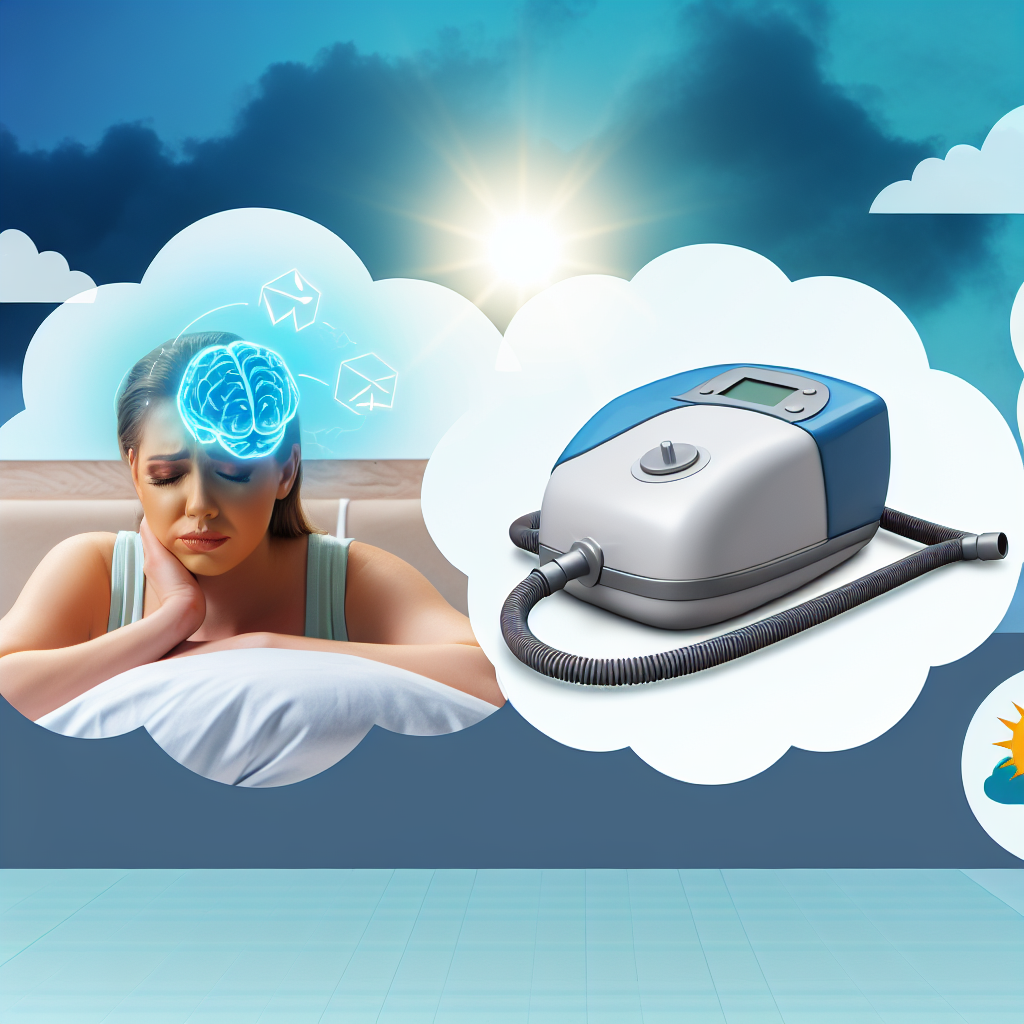
For parents suffering from **OSA** or regular severe snoring, evaluation and treatment can significantly improve household sleep quality. Methods such as **continuous positive airway pressure (CPAP) therapy** are effective in managing OSA and subsequently reducing multifaceted risks associated with sleep disruption.
Conclusion
As guardians of our children’s health, it’s imperative that we recognize the potential risks posed by untreated **snoring** in the household. While often deemed insignificant, snoring can substantially affect a child’s sleep quality and, therefore, their brain development and cognitive functions. The ripple effect of a snoring partner extends beyond adult inconveniences and can weave its way into the very fabric of a child’s neurological health.
Prioritizing **sleep health** by addressing and treating **snoring** and **sleep apnea** not only improves parental well-being but also fosters an environment conducive to optimal child development. As understanding of the implications of snoring expands, seeking medical advice and treatment becomes a necessary pursuit for families aiming to ensure their youngest members thrive in all areas of life.
Concise Summary
Research highlights that having a snoring parent can negatively affect a child’s brain development by disrupting essential sleep cycles. Disorders like **OSA**, common in adults, can impair children’s executive functions and provoke ADHD-like symptoms. Such disruptions hinder synaptic pruning, crucial for brain efficiency, and increase stress levels in children via cortisol variations. Addressing snoring with interventions like **CPAP therapy** not only benefits adult health but also supports an optimal developmental environment for children, ensuring they achieve their full cognitive and emotional potential.
References
1. Journal [*Sleep*](https://academic.oup.com/sleep/article/38/2/189/2417143). Impact of Sleep Disruptions on Children.
2. [*Pediatrics*](https://pediatrics.aappublications.org/content/early/2015/04/01/peds.2014-2684). Effects of Sleeping Disorders on Children’s Behavior.
3. [*National Institutes of Health (NIH)*](https://www.ncbi.nlm.nih.gov/pmc/articles/PMC6162793/). Children’s Sleep and Cognitive Development.

Dominic E. is a passionate filmmaker navigating the exciting intersection of art and science. By day, he delves into the complexities of the human body as a full-time medical writer, meticulously translating intricate medical concepts into accessible and engaging narratives. By night, he explores the boundless realm of cinematic storytelling, crafting narratives that evoke emotion and challenge perspectives.
Film Student and Full-time Medical Writer for ContentVendor.com