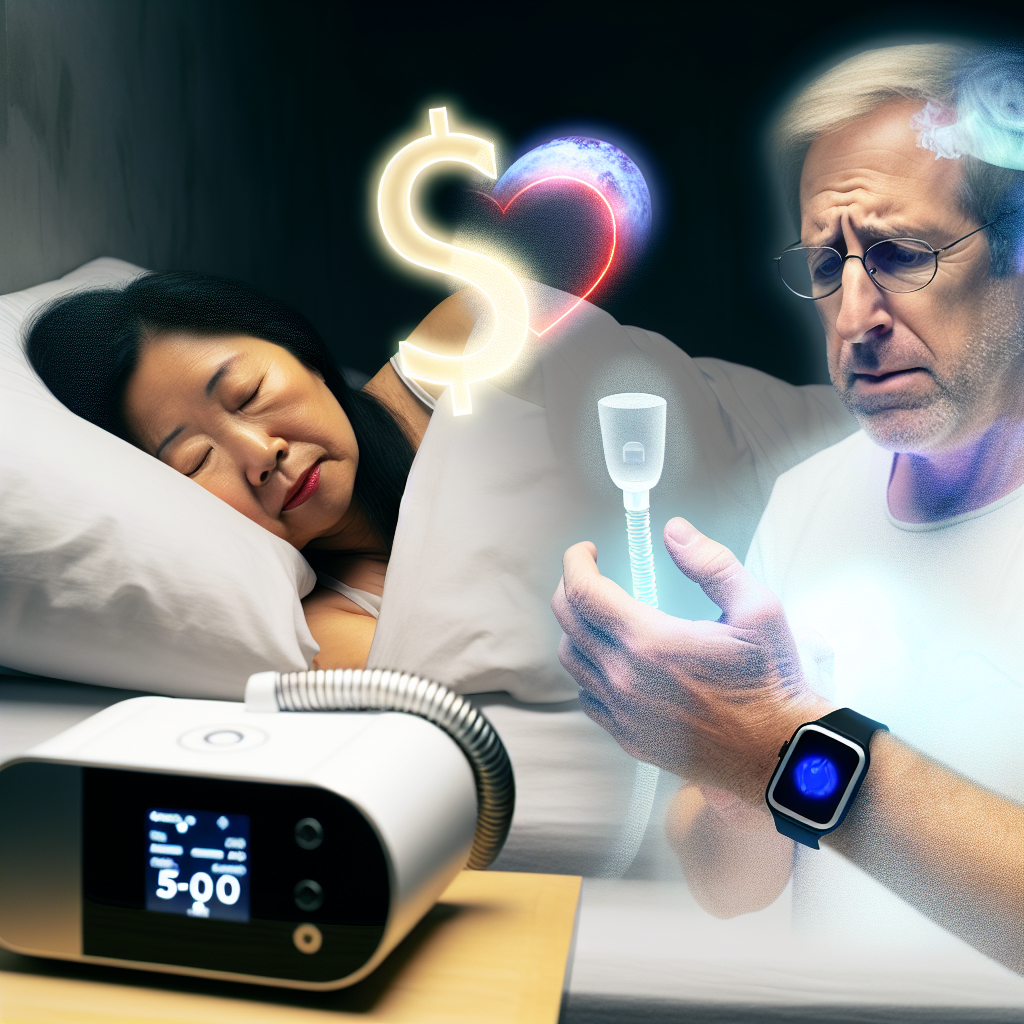
Sleep Apnea Is an Undiagnosed Growth Blocker: Why Entrepreneurs Wake Up Tired, Foggy, and Failing
Introduction
In the fast-paced **world of entrepreneurship**, waking up invigorated and ready to tackle the day is crucial for success. Entrepreneurs face the pressure of meeting relentless demands, formulating innovative strategies, and making decisions that propel their businesses forward. However, a significant number of them wake up feeling **tired**, **foggy**, and unmotivated. They find themselves struggling to concentrate, lacking clarity, and feeling drained even before their day starts. What many entrepreneurs fail to recognize is that **sleep apnea** might be the hidden culprit undermining their potential.
**Sleep apnea** is a common but often undiagnosed sleep disorder characterized by repeated interruptions in breathing during sleep. These interruptions can last from a few seconds to minutes, and they may occur up to hundreds of times during a night, leading to **fragmented**, **poor-quality sleep**. Despite affecting millions of people worldwide, sleep apnea often goes undiagnosed, especially among busy professionals who attribute their fatigue to stress or overwork.
For entrepreneurs, sleep apnea can be a stealthy adversary. It not only impacts their physical health but also impairs **cognitive functions** essential for effective leadership and decision-making. The lack of restful sleep results in decreased alertness, memory issues, and mood disturbances, ultimately obstructing professional growth. Moreover, the stress of managing a business can exacerbate the symptoms of sleep apnea, creating a vicious cycle of sleep deprivation and declining productivity.
Recognizing sleep apnea’s role as a growth blocker is imperative for entrepreneurs striving to reach their full potential. By understanding the symptoms and consequences of sleep apnea, business leaders can take proactive steps to address this issue, unlock enhanced cognitive abilities, and foster a more vibrant and successful professional life.
Features
Recent studies have shed light on the alarming prevalence and impact of sleep apnea among professionals, including entrepreneurs. According to the [American Sleep Apnea Association](https://www.sleepapnea.org/learn/sleep-apnea/), approximately 22 million Americans suffer from sleep apnea, with 80% of moderate to severe cases remaining undiagnosed. This is particularly concerning for entrepreneurs who rely heavily on **cognitive skills** and **decision-making** abilities to drive their businesses.
Research published in the journal [Sleep](https://academic.oup.com/sleep/article/36/10/1409/3889628) reveals that untreated sleep apnea can lead to significant cognitive impairments. The study found that individuals with sleep apnea experienced reduced attention span, impaired memory retention, and difficulties in executing tasks that require sustained mental effort. These findings are indicative of the challenges entrepreneurs might face in maintaining the high cognitive performance needed to stay competitive in their industries.
Furthermore, a study published in the [Harvard Business Review](https://hbr.org/2017/02/the-making-of-an-effective-leader) emphasized the connection between effective leadership and quality sleep. The research highlighted that sleep-deprived leaders often struggle with emotional regulation, creativity, and problem-solving, all of which are critical skills for entrepreneurial success. Sleep apnea exacerbates these deficiencies, leaving entrepreneurs not only physically exhausted but also emotionally and mentally compromised.
The good news is that sleep apnea is manageable with proper diagnosis and treatment. **Continuous Positive Airway Pressure** (CPAP) therapy, which keeps the airways open during sleep, has been shown to significantly improve sleep quality and daytime alertness, according to the [National Heart, Lung, and Blood Institute](https://www.nhlbi.nih.gov/health-topics/sleep-apnea).
By investing in proper diagnosis and treatment, entrepreneurs can potentially reverse the negative effects of sleep apnea, regain mental clarity, and sustain the energies required to lead successful ventures.
Conclusion
Understanding the profound impact of sleep apnea is essential for entrepreneurs who aim to optimize their potential and excel in their professional endeavors. Sleep apnea, often undiagnosed and misinterpreted as mere stress or overwork, acts as a silent growth blocker that inhibits entrepreneurs’ cognitive abilities, decision-making skills, and overall performance. The consequences of untreated sleep apnea extend beyond physical fatigue to impact emotional regulation and problem-solving capacities.
However, with proper diagnosis and treatment, entrepreneurs can reclaim their vigor, enhance productivity, and foster a healthier work-life balance. Taking proactive steps to address sleep apnea not only promotes individual well-being but also contributes to the sustainable growth of their enterprises. By prioritizing sleep health, entrepreneurs can ensure they wake up each day revitalized, focused, and ready to turn their visions into reality. By doing so, they shatter the chains of exhaustion and pave the way for sustained success and growth.
Concise Summary
Sleep apnea is a prevalent but often undiagnosed sleep disorder that disrupts breathing during sleep, leading to fragmented rest and cognitive impairment. This condition hinders entrepreneurs by reducing alertness, memory, and decision-making, ultimately stifling business growth. Despite its impact, sleep apnea can be managed with proper diagnosis and CPAP therapy, offering a pathway for entrepreneurs to enhance productivity and achieve their potential.
References
– [American Sleep Apnea Association](https://www.sleepapnea.org/learn/sleep-apnea/)
– [Sleep Journal](https://academic.oup.com/sleep/article/36/10/1409/3889628)
– [Harvard Business Review](https://hbr.org/2017/02/the-making-of-an-effective-leader)
– [National Heart, Lung, and Blood Institute](https://www.nhlbi.nih.gov/health-topics/sleep-apnea)

Dominic E. is a passionate filmmaker navigating the exciting intersection of art and science. By day, he delves into the complexities of the human body as a full-time medical writer, meticulously translating intricate medical concepts into accessible and engaging narratives. By night, he explores the boundless realm of cinematic storytelling, crafting narratives that evoke emotion and challenge perspectives.
Film Student and Full-time Medical Writer for ContentVendor.com