The Hidden Billion Dollar Market: Sleep Apnea in Women Is Misdiagnosed 90% of the Time—Here’s Why That’s a Massive Opportunity
Introduction
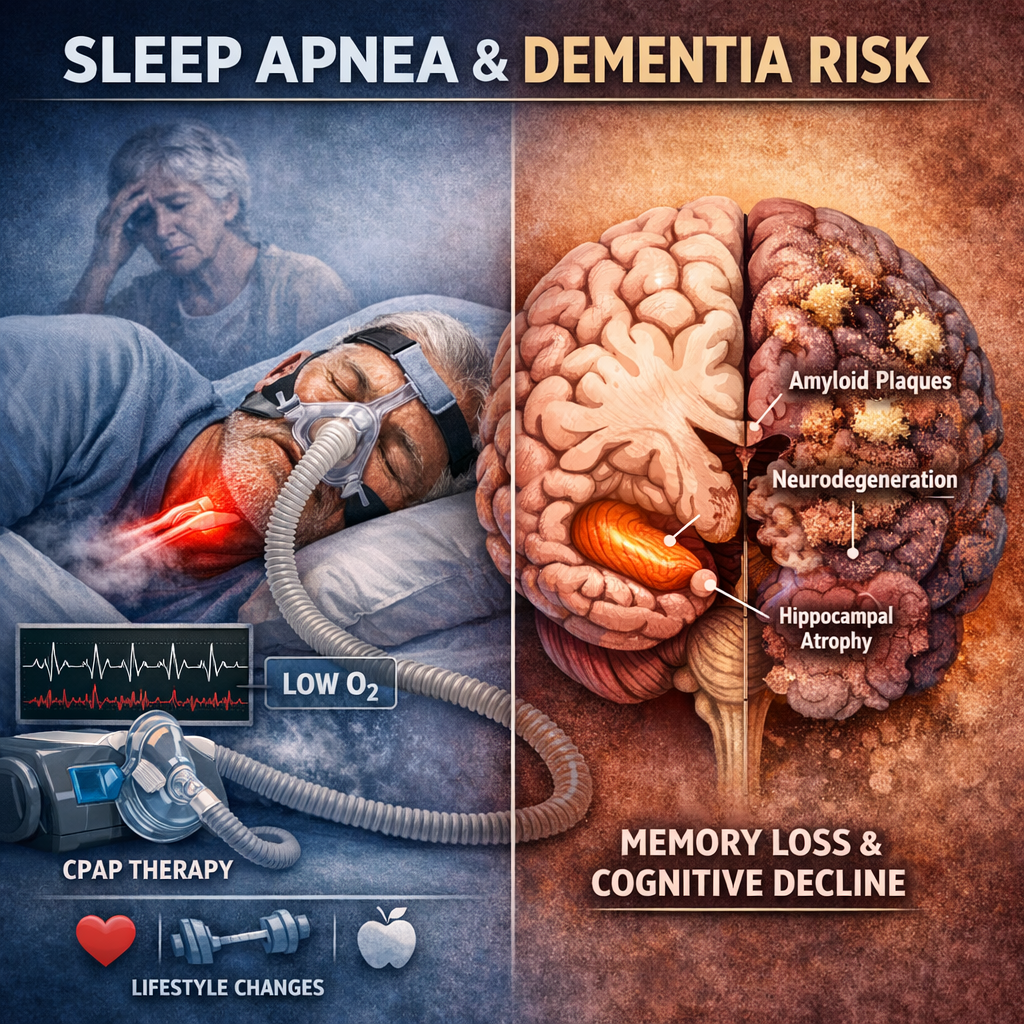
**Sleep apnea** is a potentially serious **sleep disorder** characterized by repeated interruptions in breathing. While it affects millions globally, an alarming rate of up to 90% of women with sleep apnea remain undiagnosed. This presents an underrecognized health crisis posing an invaluable opportunity within the **healthcare sector**. Historically, sleep apnea has been mislabeled as a “man’s disease,” overshadowing its prevalence in women and leading to significant oversight. Women experience varying symptoms, such as insomnia, morning headaches, and **fatigue**, rather than the classic symptom of loud snoring. These subtler symptoms often result in misdiagnosis and increase the risk of health problems like cardiovascular issues, depression, and reduced quality of life. Addressing this misdiagnosis not only stands to improve women’s health outcomes but also opens a billion-dollar market for targeted diagnostics, treatments, and patient programs tailored for women.
Features
Groundbreaking research highlights the urgent need for focused clinical attention on **women’s sleep apnea**. According to a study in the journal [Sleep Medicine](https://www.sleepjournal.org/article/S1389-9457(18)30052-8/fulltext), women are often diagnosed at a later stage and experience more severe comorbid conditions due to non-traditional symptom presentation. Moreover, a 2018 study in [Respiratory Research](https://respiratory-research.biomedcentral.com/articles/10.1186/s12931-018-0818-y) found women often have **upper airway resistance syndrome**, a subtler form of sleep apnea that traditional diagnostic tools may overlook. The importance of hormonal fluctuations throughout a woman’s life, including menstruation, pregnancy, and menopause, is emphasized by a study in the [American Journal of Respiratory and Critical Care Medicine](https://www.atsjournals.org/doi/full/10.1164/ajrccm.159.1.9803129), suggesting an increased risk of sleep apnea linked to menopause-related changes.
The misdiagnosis gap presents not only a healthcare challenge but also an economic opportunity. With consumer health literacy on the rise, the demand for personalized health solutions accelerates. Businesses at the forefront of developing precise **diagnostic tools** and integrated treatment options contribute to bridging a critical healthcare gap, tapping into a market with significant growth potential.
Conclusion
The understated crisis of sleep apnea misdiagnosis in women presents a dual narrative of challenge and opportunity. By overlooking this health issue, society risks perpetuating untreated health complications, yet it also reveals a burgeoning market poised for innovation. The path forward involves refining **diagnostic criteria**, developing innovative treatments, and raising awareness among healthcare providers and patients. Industries that address these needs will capitalize on a billion-dollar market while championing a shift towards inclusive healthcare practices. The time to act is now, awakening this sleeping giant within the healthcare economy.
Concise Summary
Sleep apnea is largely undiagnosed in women, with up to 90% of cases missed due to subtle symptoms unlike the typical loud snoring seen in men. This oversight presents a significant health crisis and a vast market opportunity. Addressing this requires gender-specific diagnosis and treatments, a billion-dollar market potential for healthcare innovation. Research highlights the importance of hormonal changes and differing symptoms in diagnosis, calling for refined diagnostic criteria and therapies tailored for women. Such efforts not only improve women’s health outcomes but also allow businesses to tap into a rapidly growing healthcare sector.

Dominic E. is a passionate filmmaker navigating the exciting intersection of art and science. By day, he delves into the complexities of the human body as a full-time medical writer, meticulously translating intricate medical concepts into accessible and engaging narratives. By night, he explores the boundless realm of cinematic storytelling, crafting narratives that evoke emotion and challenge perspectives.
Film Student and Full-time Medical Writer for ContentVendor.com