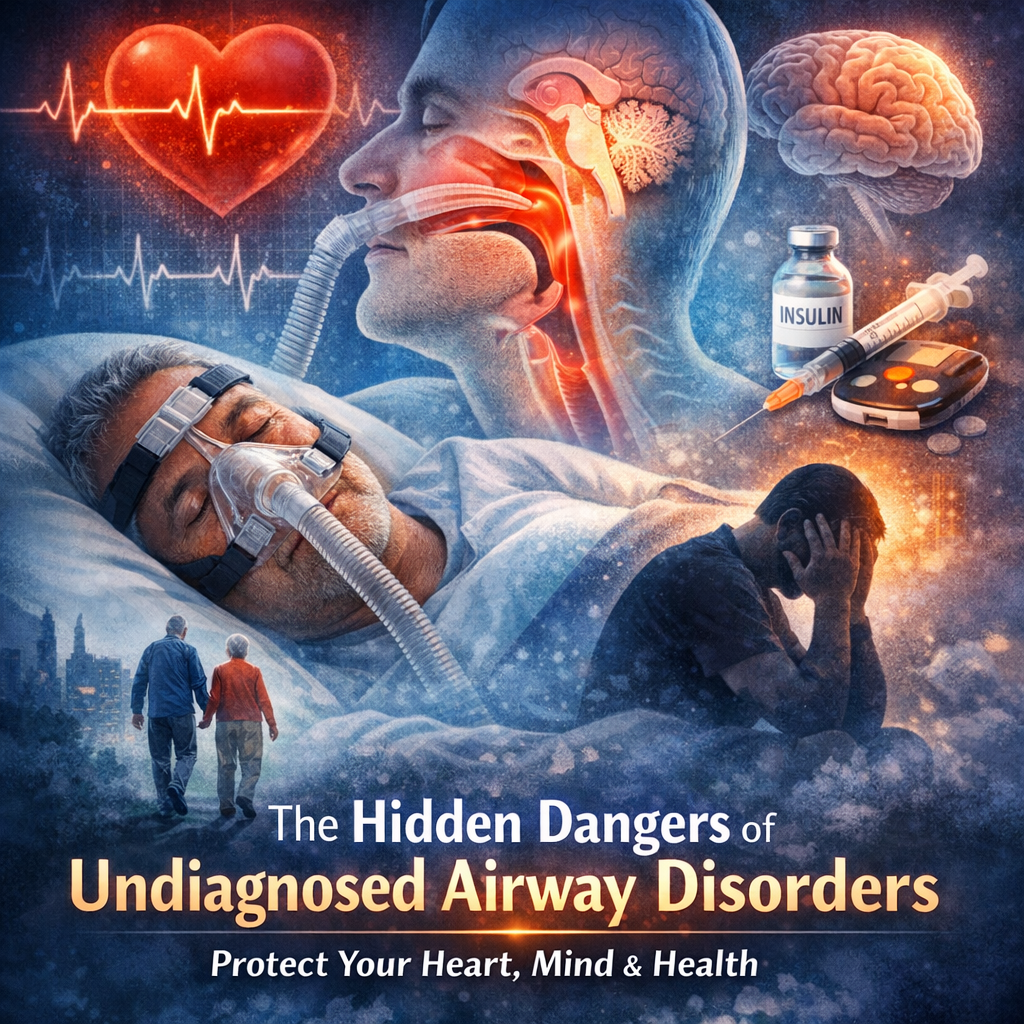
Why Your “Snoring” Spouse Might Actually Have a Silent Neurological Sleep Disorder And Not Know It
**Introduction**
Snoring is often dismissed as a **harmless nuisance**, a natural byproduct of a good night’s rest for some and an irritating disturbance for others. It conjures images of weary spouses nudging their partners or retreating to the calm of the guest bedroom. While snoring may seem commonplace, it can sometimes be a deceptively simple mask for more severe health concerns. One such concern is the possibility of a **neurological sleep disorder** that can quietly take a toll on wellbeing. Your partner’s nightly noises might be more than just an annoyance; they could indicate underlying problems that need attention.
Understanding snoring within this context requires diving deeper into the intricacies of sleep and how our brains manage this vital process. **Neurological sleep disorders** represent a specific category of conditions that disrupt the brain’s ability to regulate sleep and wake cycles. They can severely affect one’s quality of life, leading to increased fatigue, cognitive impairments, and a heightened risk of developing other severe health issues, such as **cardiovascular diseases** and **depression**.
**Sleep apnea**, a widely recognized but often misunderstood condition, frequently appears alongside snoring. This disorder is characterized by brief interruptions in breathing during sleep, often without the individual realizing it. However, underlying neurological issues might be at play as the brain fails to transmit the right signals to the muscles controlling breathing. **Central Sleep Apnea (CSA)** is one condition where the brain does not send proper signals to muscles that control breathing. It’s less about airway obstruction and more about a breakdown in the neural connections that manage our breath patterns while we sleep.
Given these complexities, it becomes imperative for anyone living with or next to a snorer to be vigilant. Dismissing snoring as a benign nighttime habit may lead to overlooked symptoms of neurological sleep disorders. By recognizing and addressing these disorders, we can foster better sleep health, ultimately improving overall quality of life.
**Features**
Examining the intersection of snoring and neurological sleep disorders requires a review of scientific insights and studies that shine light on this relationship. Among the most critical research areas is understanding the distinction and interplay between **obstructive sleep apnea (OSA)** and **central sleep apnea (CSA)**.
In a study published in the American Journal of Respiratory and Critical Care Medicine, researchers found that CSA, while less common than OSA, is often underdiagnosed because its symptoms are subtler and not as easily recognized without clinical assessment. Unlike OSA, characterized by physical blockage of the upper airway, CSA involves a lack of respiratory effort due to central nervous system dysfunction.
The study further addressed how CSA could sometimes coexist with OSA, leading to **complex sleep apnea syndrome**, also known as treatment-emergent central sleep apnea. This condition often arises when the two forms of sleep apnea intertwine, complicating diagnosis and treatment. Notably, the research indicated that CSA might be more prevalent in individuals with conditions like **heart failure**, **stroke**, or **renal insufficiency**, underscoring how a seemingly innocuous symptom like snoring could point toward a broader neurological issue.
Further, a paper from the Journal of Clinical Sleep Medicine illuminated how continuous positive airway pressure (**CPAP**) therapy commonly prescribed for OSA, can unmask CSA in certain individuals. Interestingly, this study highlights a distinction vital for medical professionals and patients alike; noise during sleep isn’t merely a mechanical phenomenon but can indicate a breakdown in the biological systems governing sleep.
Recognizing the risk factors for CSA is essential. A recent review published in Sleep Medicine Reviews emphasized the necessity of early intervention, stating that delays in addressing neurological sleep disorders could accelerate the deterioration of cognitive and cardiovascular health. Treatment strategies have begun to emerge, focusing not only on mitigating symptoms but also on targeting the neurological underpinnings of the disorder itself.
**Conclusion**
In our rush to find convenient solutions for nightly disruptions, like earplugs or white noise machines, we might overlook vital signals hinting at serious health conditions. Snoring indeed serves as a warning bell which, while potentially about a benign issue like nasal congestion, might also signal underlying neurological concerns that demand attention.
As a proactive step, individuals experiencing persistent snoring or witnessing it in their partners should consider engaging with healthcare professionals to explore potential neurological disorders. Sleep studies and assessments can provide insights that simple observations can’t, guiding effective and personalized treatment strategies. Understanding that snoring might be more than just noise is pivotal in fostering not only better sleep but a healthier life overall.
For those curious or concerned, consider initiating discussions with physicians who can perform comprehensive evaluations and suggest appropriate interventions. With awareness and early intervention, reclaiming restful, healthful nights is within reach.
**Concise Summary**
Snoring, often seen as a harmless annoyance, could signal underlying neurological sleep disorders such as **Central Sleep Apnea (CSA)**. Unlike the mechanical blockage in **Obstructive Sleep Apnea (OSA)**, CSA stems from central nervous system issues. Studies highlight that early intervention can prevent the associated risks of cognitive decline and cardiovascular problems. Recognizing and treating these conditions can significantly improve sleep quality and overall health. Engaging with healthcare professionals for sleep assessments is essential in determining whether snoring is linked to more serious health concerns.

Dominic E. is a passionate filmmaker navigating the exciting intersection of art and science. By day, he delves into the complexities of the human body as a full-time medical writer, meticulously translating intricate medical concepts into accessible and engaging narratives. By night, he explores the boundless realm of cinematic storytelling, crafting narratives that evoke emotion and challenge perspectives.
Film Student and Full-time Medical Writer for ContentVendor.com