Sleep Tech 2.0: How AI and Genomics Are Revolutionizing Sleep Apnea Diagnostics
Introduction
In recent years, the intersection of technology and health care has opened unprecedented avenues for diagnosing and managing various conditions, with sleep apnea being a critical focus. Sleep apnea, a disorder characterized by interrupted breathing during sleep, affects millions of people worldwide. This condition not only impacts sleep quality but also contributes to more severe health issues like cardiovascular disease, diabetes, and even stroke. Traditional diagnostics, primarily involving overnight polysomnography in a sleep lab, are not only cumbersome but also limit accessibility for many who need them.
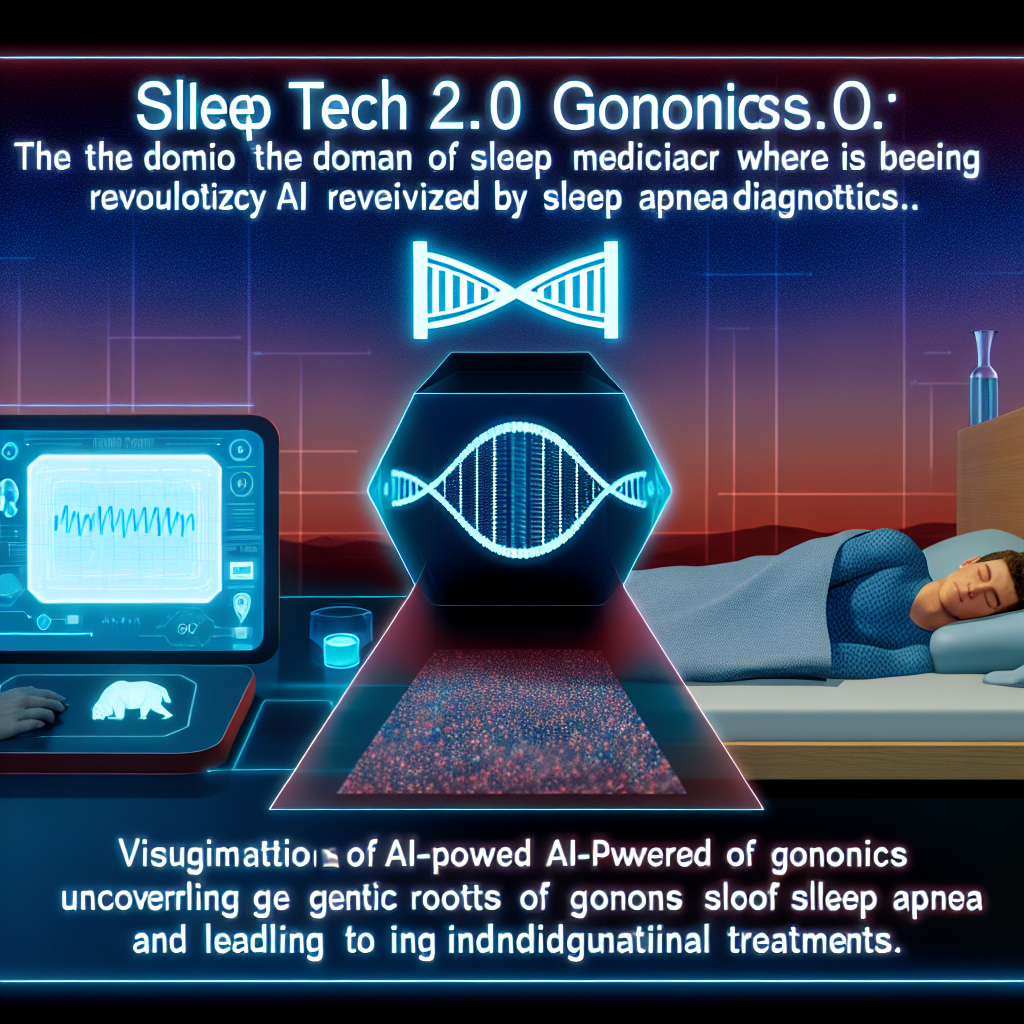
As we evolve into the era of Sleep Tech 2.0, cutting-edge technologies like artificial intelligence (AI) and genomics are spearheading a revolution in how sleep apnea is diagnosed and understood. AI algorithms are now capable of analyzing vast quantities of data from wearable devices, revealing patterns and insights that were previously hidden. Meanwhile, advances in genomics provide a deeper understanding of the genetic components of sleep apnea, paving the way for personalized medicine.
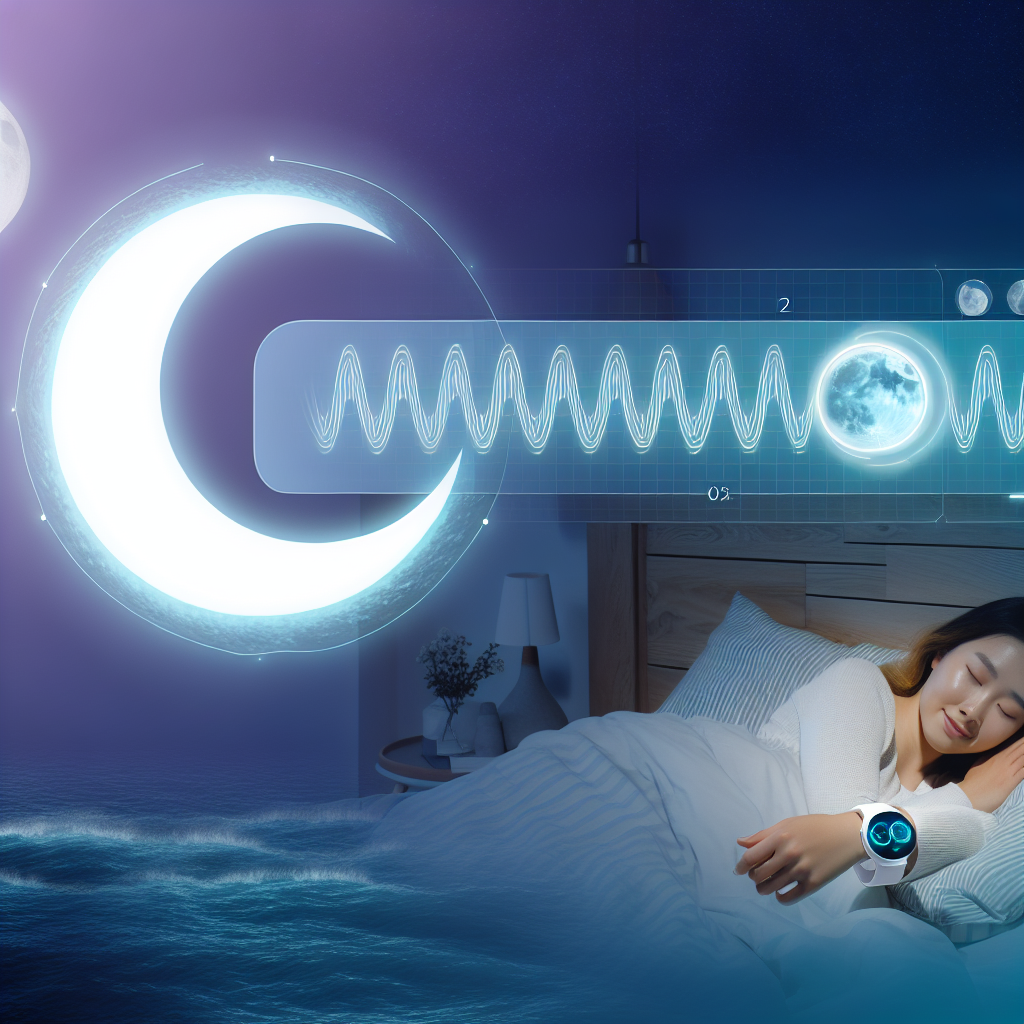
AI-powered tools are making it easier for individuals to track their sleep patterns at home. Smart devices, equipped with sensors that collect data on heart rate, breathing, and movement, feed information into AI systems that can identify sleep anomalies. This approach eliminates the need for overnight stays at a sleep clinic and provides immediate feedback, encouraging timely interventions.
At the same time, the study of genomics offers groundbreaking insights into hereditary aspects of sleep apnea. By understanding the genetic predispositions that contribute to sleep disorders, scientists are developing targeted therapies that cater to individual needs. For instance, a person with a genetic inclination towards obstructive sleep apnea might benefit from a tailored treatment plan that preemptively addresses potential complications.
Features
Several professional and medical studies underscore the transformative impact of AI and genomics in diagnosing sleep apnea. A study published in the Journal of Clinical Sleep Medicine demonstrates that AI can predict sleep apnea with a high degree of accuracy by analyzing data from standard consumer-grade wearables. The study found that AI algorithms could effectively distinguish between normal and apneic sleep cycles, reducing reliance on traditional polysomnography.
Moreover, research conducted by the University of Wisconsin-Madison’s Center for Sleep Medicine and Sleep Research sheds light on the role of genomics in uncovering genetic markers associated with sleep apnea. This study utilized genome-wide association studies (GWAS) to identify several genetic variations linked to the condition, potentially transforming how we approach its treatment.
Another pivotal study featured in Nature Communications highlights the synergistic potential of integrating AI with genomic data. By leveraging machine learning algorithms, researchers could predict the risk of developing sleep apnea by analyzing an individual’s genetic profile alongside lifestyle factors. This fusion of technologies not only enhances diagnostic precision but also informs personalized intervention strategies.
Additionally, a breakthrough study from Stanford University explored the application of AI in analyzing respiratory data to detect sleep disturbances. The AI system used non-invasive methods to classify different types of sleep apnea events, offering a less intrusive diagnostic tool that can be employed in home settings.
These studies highlight the potential of AI and genomics not only in diagnosing but also in comprehensively understanding and managing sleep apnea. By addressing both the technological and genetic factors of the disorder, healthcare providers can develop more effective, personalized care plans.
Conclusion
The integration of AI and genomics into the realm of sleep apnea diagnostics marks a significant shift towards more personalized and accessible healthcare solutions. These innovations not only streamline the diagnostic process but also empower individuals with actionable insights into their sleep health. By easing the burden of traditional testing methods and diving deeper into the genetic underpinnings of the disorder, Sleep Tech 2.0 is poised to transform the landscape of sleep medicine.
As these technologies continue to evolve, their potential to positively impact patient outcomes cannot be overstated. Future advancements promise even more tailored interventions, leading to improved quality of life for those affected by sleep apnea. Embracing this blend of AI and genomics is not just about better diagnostics; it’s about paving the way for a world where sleep disorders are understood and managed with unprecedented precision and care.
**Concise Summary:**
Sleep Tech 2.0 represents a transformative era in sleep apnea diagnosis, driven by artificial intelligence and genomics. AI enhances accessibility by analyzing data from wearable devices to detect sleep anomalies without the need for cumbersome sleep studies, while genomics provides insights into genetic predispositions, enabling personalized treatments. Studies show AI algorithms accurately diagnose sleep apnea, and genomics identifies genetic markers for targeted interventions. Integrating these technologies enhances diagnostic precision and personalizes care, revolutionizing sleep medicine and improving patient outcomes. Future advancements promise even more tailored, effective management of sleep disorders, significantly enhancing quality of life.

Dominic E. is a passionate filmmaker navigating the exciting intersection of art and science. By day, he delves into the complexities of the human body as a full-time medical writer, meticulously translating intricate medical concepts into accessible and engaging narratives. By night, he explores the boundless realm of cinematic storytelling, crafting narratives that evoke emotion and challenge perspectives.
Film Student and Full-time Medical Writer for ContentVendor.com