The Role of Epigenetics in Sleep Apnea: Can We Reprogram Our Genes for Better Sleep Health?
Introduction
**Sleep** is a fundamental aspect of our daily lives, essential for overall health and well-being. Despite its importance, millions around the globe suffer from sleep disorders, with **sleep apnea** being one of the most prevalent. Sleep apnea is characterized by interrupted breathing during sleep, leading to fatigue, poor concentration, and a variety of health problems. Traditionally, sleep apnea has been attributed to factors such as obesity, age, and anatomical issues. However, recent research has shed light on the role of **epigenetics** in sleep apnea, opening up new avenues for understanding and potentially **reprogramming our genes** for better sleep health.
Epigenetics, a term gaining increasing traction in the medical and scientific communities, refers to changes in **gene expression** that do not involve alterations to the underlying **DNA sequence**. Instead, these changes are influenced by environmental factors, lifestyle, and even dietary habits, thereby providing a dynamic interplay between our genes and the environment. Unlike genetic mutations, which are permanent, **epigenetic modifications** can be reversible, potentially offering a novel approach to managing health conditions like sleep apnea.
Underlying this fascinating field is the notion that while our **genetic code** is fixed, epigenetics allows for flexibility and adaptation to different external stimuli. This adaptability raises intriguing possibilities for reprogramming our genes for improved health outcomes. In the context of sleep apnea, understanding epigenetic mechanisms could transform the way we approach its diagnosis, treatment, and prevention. Could we indeed modulate our gene expression to ensure better sleep and, consequently, better health?
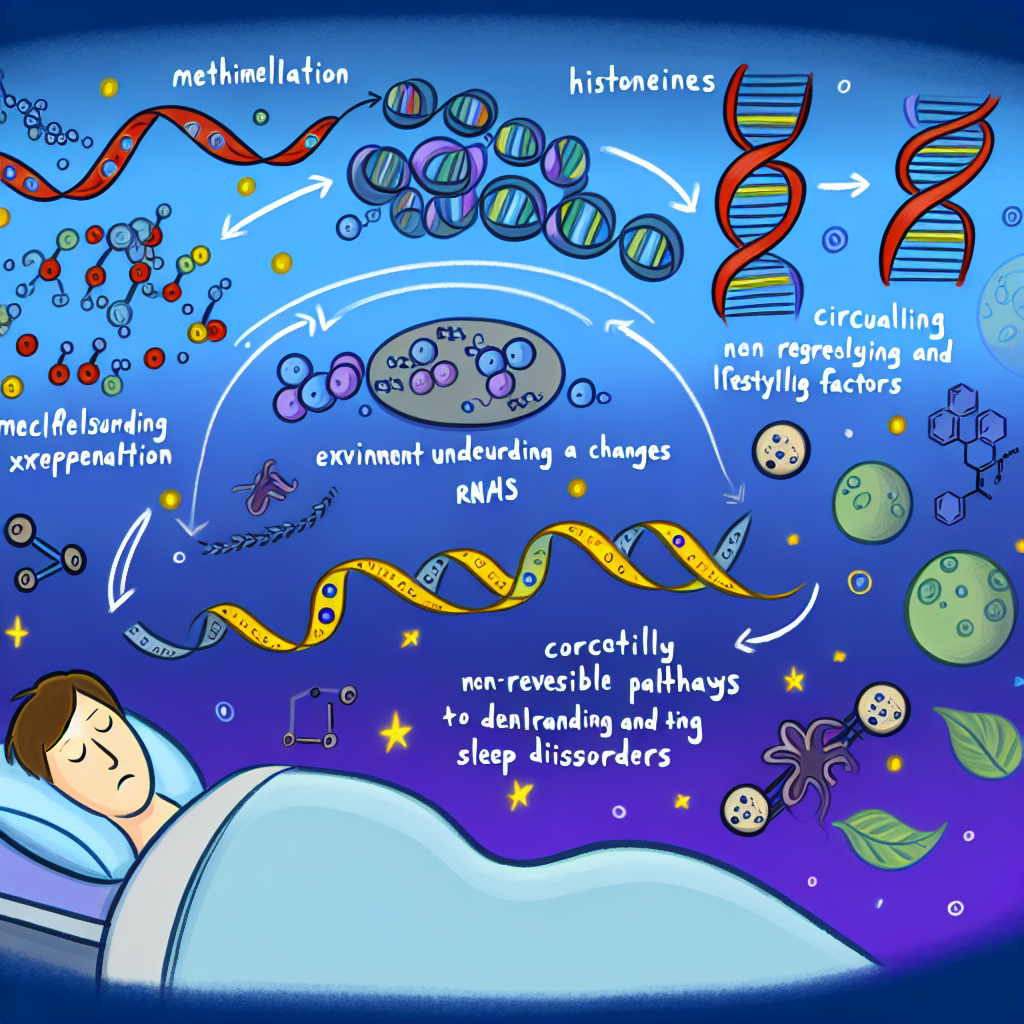
Emerging studies have indicated that **epigenetic factors** may influence the severity and prevalence of sleep apnea. For instance, **DNA methylation**, a prominent epigenetic mechanism, has been linked to the regulation of genes involved in respiratory functions. Furthermore, **histone modifications** and **non-coding RNAs** are also being explored for their potential roles in sleep regulation. As research in this domain expands, the hope is to develop targeted interventions that could alleviate or even eradicate the symptoms of sleep apnea.
Features
Recent studies have provided valuable insights into the role of epigenetics in sleep apnea. A study published in the journal Nature Communications revealed that **DNA methylation** patterns differ significantly between individuals with sleep apnea and those without the condition. The researchers identified specific methylation sites associated with genes that regulate **inflammatory responses** and **metabolic pathways**, both of which are critical in sleep apnea pathology.
Additionally, **histone modifications** are gaining attention for their potential impact on sleep patterns. Histones, which help package DNA into chromatin, can undergo various modifications that influence gene expression. Research in this field has shown peculiar histone acetylation and methylation patterns in individuals with disrupted sleep cycles, suggesting that these epigenetic marks might contribute to the persistence and severity of sleep apnea [Epigenetics & Chromatin].
Moreover, **non-coding RNAs**, once considered “junk” DNA, are now recognized for their regulatory roles in gene expression. **MicroRNAs (miRNAs)** have been identified as significant players in the context of sleep disorders. In cases of sleep apnea, certain miRNAs appear to modulate the response to hypoxia (low oxygen levels), a common occurrence during apnea episodes. These findings suggest that targeting miRNAs could lead to innovative therapies for managing sleep apnea [American Journal of Respiratory and Critical Care Medicine].
As our understanding of these epigenetic mechanisms deepens, so does the potential for applying this knowledge in clinical settings. **Epigenetic therapies**, such as using small molecules to alter methylation or acetylation patterns, are being explored for various conditions. In the case of sleep apnea, such interventions might one day complement or even replace traditional treatment methods like **continuous positive airway pressure (CPAP) therapy**.
Conclusion
The exploration of epigenetics in sleep apnea represents a promising frontier in sleep medicine. By shifting our focus from static genetic determinants to the dynamic interplay of environmental and epigenetic factors, we open the door to personalized and potentially reversible interventions for complex disorders like sleep apnea. While much research is still needed to translate these findings into clinical practice, early studies offer hope for developing strategies that harness our body’s natural ability to regulate gene expression in response to lifestyle and environmental influences.
In the quest for better sleep health, embracing the power of epigenetics might prove transformative. As researchers unravel the intricacies of gene-environment interactions, the future may hold the possibility of **reprogramming our genes** to not only alleviate sleep apnea but also enhance overall well-being. By understanding and optimizing these processes, we could pave the way for healthier sleep patterns, leading to improved quality of life for millions and a significant reduction in the comorbidities associated with sleep apnea.
**Concise Summary:**
Sleep apnea, a widespread sleep disorder, is traditionally linked to factors such as obesity and age. However, recent studies highlight **epigenetics** as a crucial player in understanding and potentially managing this condition. Epigenetic modifications like **DNA methylation**, **histone changes**, and **miRNAs** influence gene expression without altering the DNA sequence. These reversible modifications are influenced by environmental factors and lifestyle, suggesting the potential for reprogramming genes to improve sleep health. Ongoing research aims at developing targeted interventions that could complement or replace current treatments, offering hope for personalized and effective management of sleep apnea.

Dominic E. is a passionate filmmaker navigating the exciting intersection of art and science. By day, he delves into the complexities of the human body as a full-time medical writer, meticulously translating intricate medical concepts into accessible and engaging narratives. By night, he explores the boundless realm of cinematic storytelling, crafting narratives that evoke emotion and challenge perspectives.
Film Student and Full-time Medical Writer for ContentVendor.com