Breathing Algorithms Disrupting Sleep Medicine’s Approach to Diagnostic Precision
In the quest for better **sleep health**, the intersection of technology and medicine has engendered groundbreaking advancements, particularly within the arena of **sleep medicine**. One of the emerging frontiers in this domain is the use of **breathing algorithms**, which are starting to disrupt traditional approaches to diagnosing various **sleep disorders**, including **sleep apnea**, **insomnia**, and **restless leg syndrome**. **Sleep disorders** affect millions globally, leading to a decline in life quality, impaired immune function, and increased risk of chronic conditions like **heart disease** and **diabetes**. Historically, the diagnosis of these disorders depended significantly on **polysomnography (PSG)**, a comprehensive sleep study conducted in specialized labs. While effective, PSG is resource-intensive, costly, and not readily accessible for everyone.
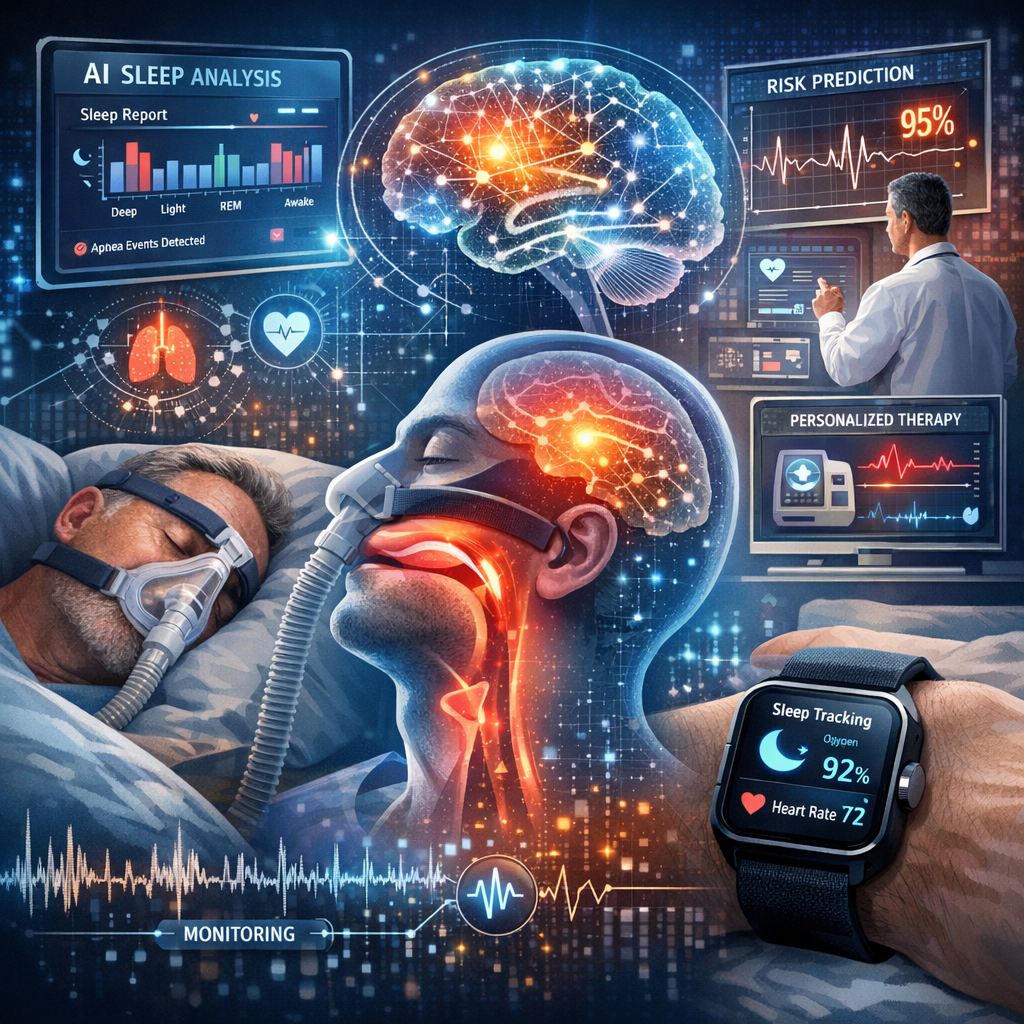
Enter the age of **digital health technologies**. With the advent of sophisticated **breathing algorithms**, **sleep diagnosis** is becoming more precise, personalized, and accessible. These algorithms, often powered by **artificial intelligence (AI)** and **machine learning**, analyze breathing patterns detected through wearable devices or smartphone applications. They transform raw data into actionable insights that medical professionals can use to diagnose and treat **sleep disorders** more effectively. Unlike traditional diagnostic methods, **breathing algorithms** provide continuous, real-time monitoring, offering a more holistic picture of a person’s sleep over longer periods.
Moreover, this innovative technology offers enhanced diagnostic precision, allowing for the identification of subtle or transient breathing irregularities that might easily be overlooked in a conventional sleep study. For instance, individuals with mild **sleep apnea** might experience infrequent apneic events that are hard to detect during a single-night PSG but become apparent through the consistent use of **AI-driven monitoring**. Consequently, patients can receive a diagnosis earlier, potentially mitigating the progression of disorder severity and improving treatment outcomes.
The rising prevalence of wearables and smart technology presents a unique opportunity to leverage these insights for better **sleep health**. This shift towards more personalized and continuous monitoring aligns with the broader trends in healthcare towards **precision medicine**, where interventions are tailored to the individual’s unique physiological and genetic makeup. As **breathing algorithms** evolve, they hold the promise of democratizing **sleep diagnostics**, making accurate assessments available to a broader audience, and relieving the overburdened healthcare systems that currently manage **sleep disorder diagnostics**.
Features of Breathing Algorithms in Sleep Diagnostics
The application of **breathing algorithms** in **sleep medicine** represents a transformative advancement grounded in robust scientific research. A multitude of professional and medical studies underscore the efficacy and potential of these technologies. For example, a study published in the Journal of Clinical Sleep Medicine demonstrated that algorithms based on respiratory patterns could reliably predict **sleep apnea** events with an accuracy comparable to conventional PSG [Journal of Clinical Sleep Medicine](https://jcsm.aasm.org/doi/10.5664/jcsm.7918). The study utilized machine learning techniques to analyze the breathing data captured through peripheral capillary oxygen saturation and airflow, offering a non-invasive and patient-friendly diagnostic approach.
To further bolster these findings, another study highlighted in Sleep indicated the benefits of using **AI** in monitoring **obstructive sleep apnea (OSA)**. Researchers found that leveraging **AI-enabled algorithms** for analyzing nocturnal breathing patterns allowed for more precise detection of **OSA events** compared to manual scoring by sleep technicians [Sleep](https://academic.oup.com/sleep/article/43/10/zsaa013/5630849). This heightened precision not only improves individual diagnosis but also enhances our understanding of the disorder’s broader epidemiology.
The versatility of **breathing algorithms** in detecting various **sleep disorders** is equally impressive. For instance, in the case of **insomnia**, insights derived from breathing patterns can help discern sleep onset latency and identify disturbances in sleep architecture. Such detailed analysis helps physicians tailor more effective treatment plans that address the specific nuances of a patient’s condition. A pivotal study conducted by the National Institutes of Health (NIH) explored the potential of using AI-driven sleep tracking to diagnose **insomnia** by monitoring both breathing and heart rate variability, showcasing how multifaceted data inputs can enhance algorithmic accuracy [PubMed](https://pubmed.ncbi.nlm.nih.gov/31996470/).
These professional and medical studies not only point to the present capabilities of **breathing algorithms** but also hint at a future where **sleep diagnostics** are integrated seamlessly into everyday life, potentially through ubiquitous devices like smartwatches or even bedding systems equipped with sensors. The resultant impact on both clinical outcomes and patient experience is profound, signaling a change towards more data-driven, patient-centered **sleep health**.
Conclusion
In conclusion, **breathing algorithms** stand at the forefront of a revolution in **sleep medicine**, poised to enhance diagnostic precision and accessibility. By leveraging real-time data and **AI**, these algorithms enable continuous, personalized monitoring that is more effective than traditional methods. As supported by various studies, including those in the [Journal of Clinical Sleep Medicine](https://jcsm.aasm.org/) and [Sleep](https://academic.oup.com/sleep), they provide promising alternatives to standard PSG, democratizing access to quality **sleep diagnostics**. The integration of this technology into everyday health practices aligns with the growing emphasis on **precision medicine**, offering tailored interventions for individual patients. As research and development in this field advance, we can anticipate even more innovative applications that will transform how **sleep disorders** are diagnosed and treated. Ultimately, the fusion of digital technologies and **sleep medicine** can lead to improved therapeutic outcomes, contributing to better overall health and well-being for individuals across all ages.
Concise Summary:
**Breathing algorithms** are revolutionizing **sleep medicine** by enhancing diagnostic precision and access to care for various **sleep disorders** like **sleep apnea** and **insomnia**. Powered by **AI** and machine learning, these algorithms analyze breathing patterns through wearables, offering continuous monitoring and personalized insights. Studies from the [Journal of Clinical Sleep Medicine](https://jcsm.aasm.org/) and [Sleep](https://academic.oup.com/sleep) confirm their accuracy comparable to PSG, paving the way for democratized, precise **sleep diagnostics**. As these technologies integrate into everyday life, they promise improved patient outcomes and a shift towards more data-driven, patient-centered healthcare.

Dominic E. is a passionate filmmaker navigating the exciting intersection of art and science. By day, he delves into the complexities of the human body as a full-time medical writer, meticulously translating intricate medical concepts into accessible and engaging narratives. By night, he explores the boundless realm of cinematic storytelling, crafting narratives that evoke emotion and challenge perspectives.
Film Student and Full-time Medical Writer for ContentVendor.com