Certainly! Here’s the revised content:
—
Exposing the Hidden Sleep Crisis: How Smart Breathing Algorithms Can Predict Your Health Decline
Topic Introduction
In today’s fast-paced world, **sleep** often takes a backseat to the demands of our daily lives. Many of us are familiar with the feeling of fatigue and the groggy struggle to focus after a restless night. However, few recognize that **sleep issues** can be a precursor to serious health problems. Sleep is not just a period of physical rest; it’s an integral part of overall health, particularly when it involves **breathing patterns**.
Enter the world of smart technology, where breathing patterns monitored during sleep can provide valuable insights into our health. Normally, when we sleep, our bodies go through a series of stages that are supposed to rejuvenate both mind and body. But what happens when these stages are disrupted due to irregular breathing? Conditions like **sleep apnea**, characterized by brief interruptions in breathing, can lead to chronic health issues such as cardiovascular disease, obesity, and even cognitive decline.
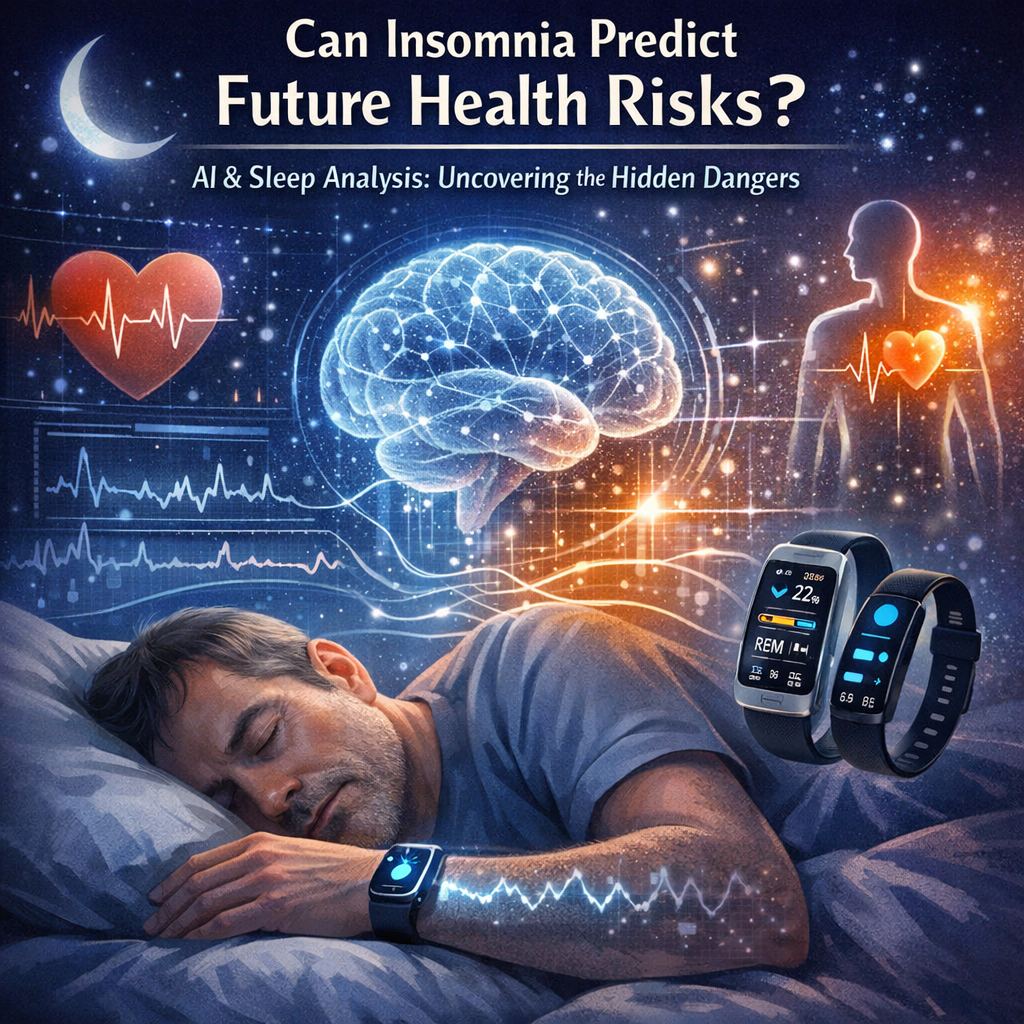
With recent advancements in technology, **smart breathing algorithms** are being developed to address this hidden sleep crisis. These algorithms can analyze breath patterns and predict potential health declines before they become severe. By using sensors and sophisticated software, these tools can provide an early-warning system that helps individuals and healthcare providers address underlying health issues more proactively.
These cutting-edge technologies collect and analyze data continually, offering insights that go beyond traditional sleep studies conducted in clinical settings. The result is a more comprehensive view of an individual’s sleep health, reflecting potential risks long before they manifest in more severe symptoms. As this technology becomes more accessible, it holds the promise of revolutionizing how we approach sleep health, offering hope for those silently suffering from sleep-related disorders. This article delves into the groundbreaking potential of smart breathing algorithms, the science behind them, and their capacity to transform the landscape of sleep medicine.
Features
The innovative application of **smart breathing algorithms** in healthcare is supported by a growing body of research. One significant study conducted by the ***American Academy of Sleep Medicine*** explored the accuracy of algorithm-based devices in diagnosing *sleep apnea*. The study found that these devices could identify sleep-disordered breathing with remarkable precision, often matching or exceeding the accuracy of traditional ***polysomnography***, the gold standard for sleep studies [(*Polysomnography*, AASM)](https://aasm.org/patients/polysomnography/).
Moreover, a pivotal study published in the ***Journal of Clinical Sleep Medicine*** highlighted the potential of **machine learning algorithms** in monitoring respiratory patterns. The research demonstrated that, by analyzing a variety of metrics such as breath rate variability, depth, and frequency, these algorithms could predict the onset of sleep-related issues and their correlation with health declines over time [(*Machine Learning Applications in Sleep Medicine*, JCSM)](https://jcsm.aasm.org).
Similarly, researchers at ***Stanford University*** are exploring the impact of AI-driven insights into sleep breathing patterns on cardiac health. Their preliminary findings suggest that disturbances in sleep breathing are strongly linked with irregular heart rhythms, which can precede more serious cardiac events. By leveraging algorithmic predictions, healthcare providers can intercept potential health crises early, offering more tailored interventions [(*AI and Sleep Medicine*, Stanford Medicine)](https://med.stanford.edu).
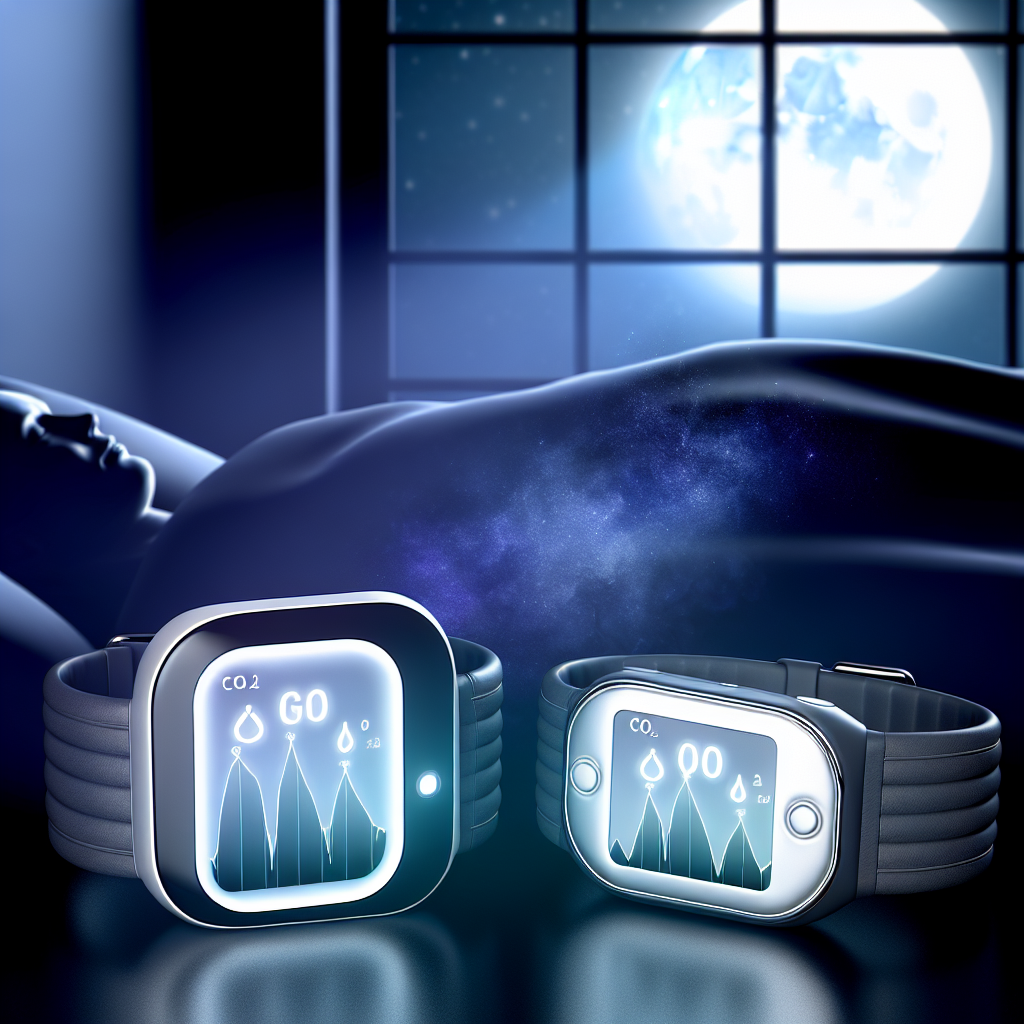
The utility of these algorithms is not confined to clinical settings alone. Consumer-level devices, such as **smartwatches** and **fitness bands**, are increasingly adopting these technologies. These devices not only track sleep but also provide feedback on breathing patterns, enabling users to make informed decisions about their sleep health.
As we continue to unravel the complex dynamics of sleep, it becomes clearer that technology can play a pivotal role in enhancing our understanding. The continuous development of smart breathing algorithms signifies a promising step forward in bridging the gap between potential health threats and timely intervention.
Conclusion
In conclusion, the hidden sleep crisis poses a profound challenge that can no longer be ignored. Yet, within this challenge lies the revolutionary potential of smart breathing algorithms. These technologies extend beyond traditional methods, offering a more proactive solution in monitoring and predicting health outcomes. As we integrate these advancements into everyday life, from professional healthcare settings to personal devices, the overarching benefits to public health are immense. The ability to tap into our natural breath as a diagnostic tool marks a significant leap in preventive healthcare, potentially saving countless lives by foreseeing health declines before they escalate. By embracing the convergence of technology and health, we open a new frontier in our pursuit of a healthier, more restful future, underscoring the importance of sleep as a cornerstone of overall well-being.
**Summary:**
Smart breathing algorithms, an innovative healthcare technology, are transforming how we detect and address sleep-related disorders. By analyzing breathing patterns during sleep, these algorithms predict potential health declines, offering more proactive healthcare interventions. Supported by research, such as studies by the American Academy of Sleep Medicine and Stanford University, these technologies offer precise diagnostics for sleep conditions like sleep apnea. Consumer-friendly devices like smartwatches also incorporate such technologies, making sleep health insights more accessible. These advancements signal a significant leap forward in preventive healthcare, promising a healthier future by addressing the hidden sleep crisis proactively.

Dominic E. is a passionate filmmaker navigating the exciting intersection of art and science. By day, he delves into the complexities of the human body as a full-time medical writer, meticulously translating intricate medical concepts into accessible and engaging narratives. By night, he explores the boundless realm of cinematic storytelling, crafting narratives that evoke emotion and challenge perspectives.
Film Student and Full-time Medical Writer for ContentVendor.com