Unlocking the Brain-Lung Connection: How Precision Diagnostics in Sleep Medicine Can Transform Chronic Disease Prevention
**Introduction**
In recent years, the field of **sleep medicine** has made remarkable strides, revealing hidden complexities in the way our biological systems interact during sleep. A pivotal area of exploration is the **brain-lung connection**, which has shown how intricately linked these organs are in regulating sleep cycles and maintaining health. As we delve deeper into the mechanisms of sleep, it becomes increasingly clear that **precision diagnostics** hold the key to not only understanding these connections but also to revolutionizing the way we approach **chronic disease prevention**.
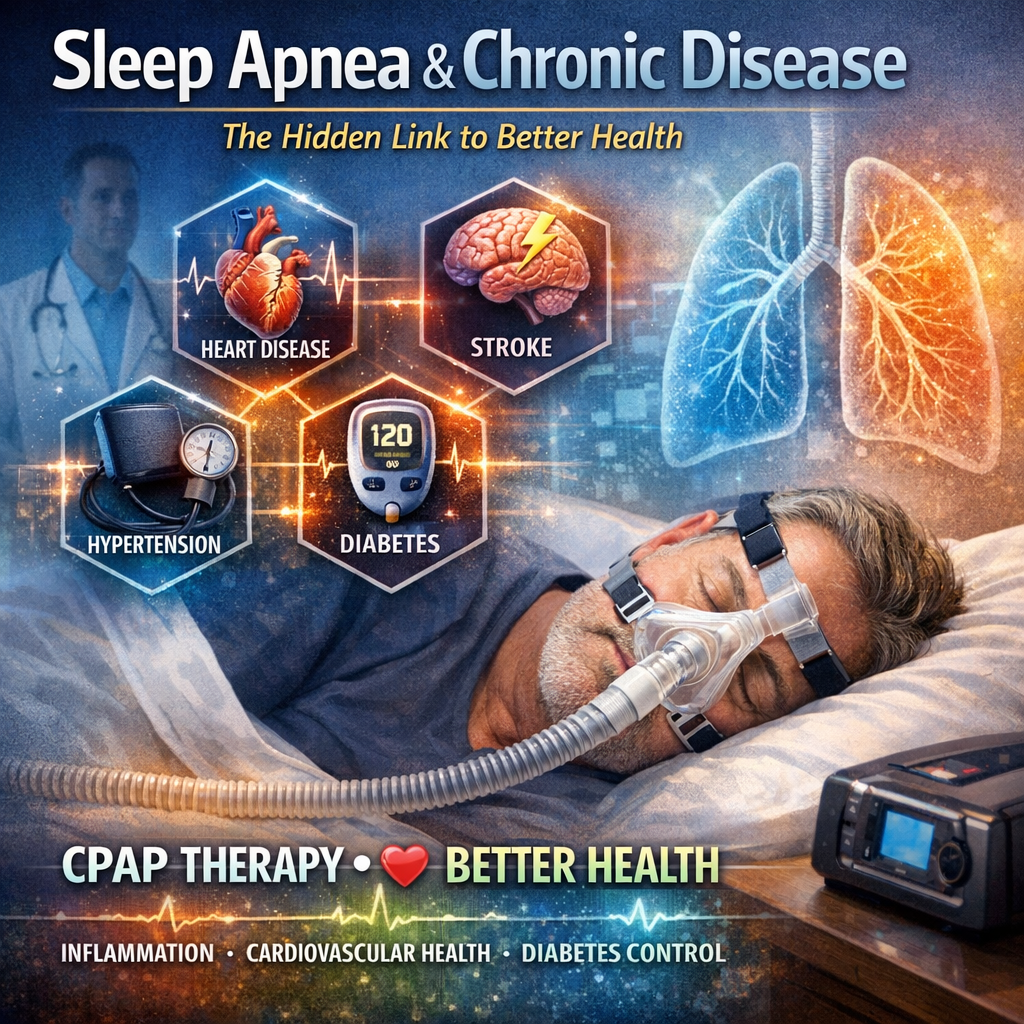
The brain and lungs are collaborators in a symphony that influences our health in profound ways. During sleep, the brain regulates various aspects of **autonomic function**, including **respiratory control**. Disruptions in this orchestration can lead to **sleep disorders** like **sleep apnea** and chronic conditions such as **cardiovascular disease** and **diabetes**. Recent studies suggest that the quality of sleep is as critical to health as diet and exercise, and decoding the brain-lung connection can offer new insights into these interdependencies.
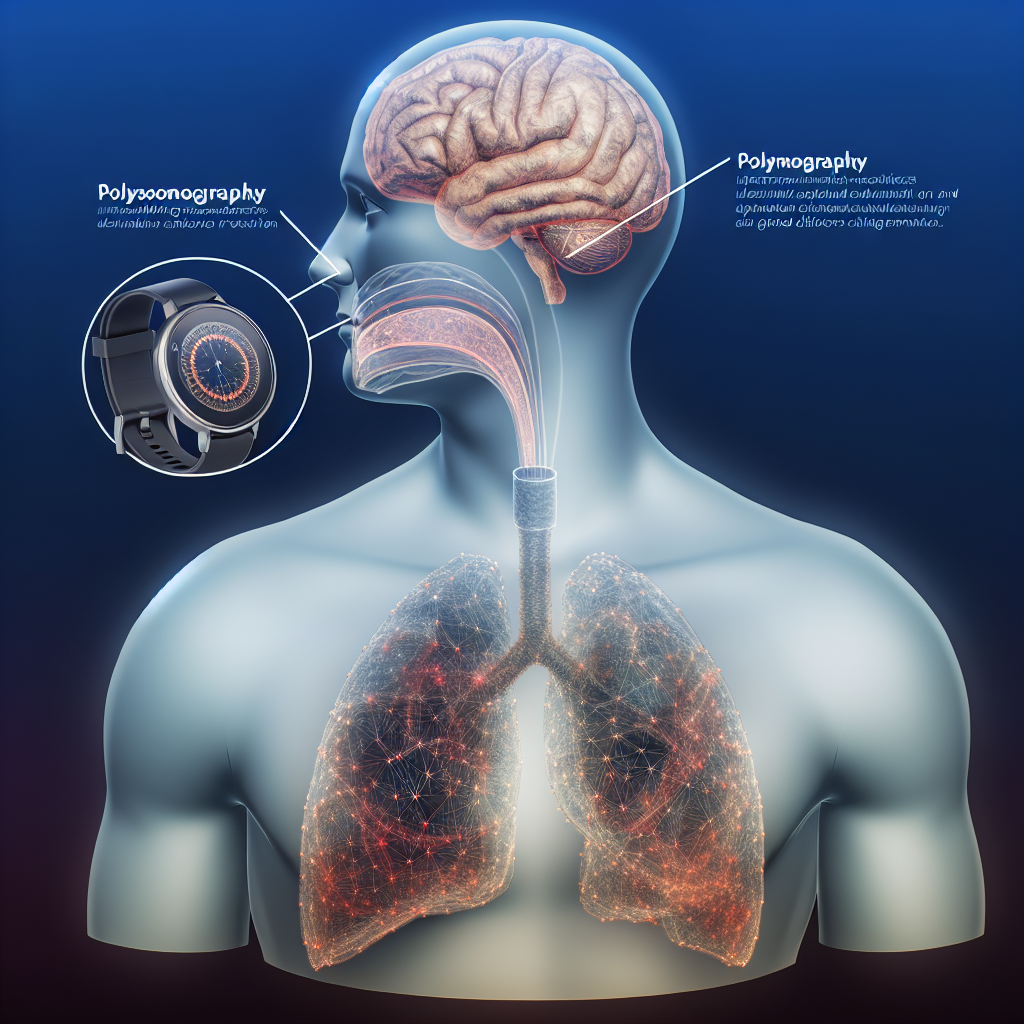
Emerging technologies in precision diagnostics now allow for a more nuanced analysis of sleep disorders. These advancements help in identifying not just the presence of conditions, but their root causes, allowing for tailored interventions. For example, **polysomnography** and **wearable devices** are enabling more accurate measurements of **brain activity**, respiratory patterns, and other physiological indicators during sleep. These tools are unveiling the roles that neural pathways and lung function play in chronic disease development.
Understanding the brain-lung connection is particularly important because it opens the door to **targeted prevention** strategies for chronic diseases. By identifying early signs of dysfunction through advanced diagnostics, it is possible to intervene before conditions become severe. This proactive approach could transform public health by reducing the burden of chronic diseases and improving quality of life.
**Features**
Several professional and medical studies have been instrumental in unveiling the brain-lung connection and its implications for chronic disease prevention. One pioneering study, published in the [Journal of Clinical Sleep Medicine](https://jcsm.aasm.org), explored the role of neural pathways in **obstructive sleep apnea (OSA)**. Researchers discovered that the communication between the **brainstem** and respiratory muscles is crucial for maintaining proper breathing patterns during sleep. This study highlighted that disruptions in this signaling could exacerbate conditions like hypertension and type 2 diabetes, underscoring the importance of precise diagnostics and treatment.
Another groundbreaking research published in [The Lancet Respiratory Medicine](https://www.thelancet.com/journals/lanres/home) examined the impact of sleep apnea on cardiovascular health. The study found that untreated sleep apnea significantly increases the risk of **heart failure**, underlining the interconnectedness of sleep disorders with chronic diseases. Through the use of advanced diagnostic tools, such as **continuous positive airway pressure (CPAP)** therapy assessments, the study demonstrated how treating sleep apnea can mitigate these risks, further exemplifying the transformative potential of precision diagnostics in sleep medicine.
Furthermore, a study in the [American Journal of Respiratory and Critical Care Medicine](https://www.atsjournals.org/journal/ajrccm) focused on the potential for **wearable technology** to revolutionize sleep diagnostics. It emphasized how these devices can track real-time data, providing insights into both the onset and progression of sleep-related disorders. The researchers pointed out that wearable devices, alongside **machine learning algorithms**, can help predict the transition from mild sleep disturbances to more severe conditions, allowing for earlier intervention and potentially preventing the development of chronic diseases.
These studies collectively underscore the critical need for precision diagnostics in decoding the brain-lung connection. By leveraging cutting-edge technologies, medical professionals can more accurately diagnose and treat sleep disorders, thereby reducing the incidence of related chronic diseases and improving overall health outcomes.
**Conclusion**
Unlocking the brain-lung connection through precision diagnostics in sleep medicine is a promising frontier in chronic disease prevention. As research continues to illuminate the link between sleep disorders and chronic conditions, the integration of advanced diagnostic tools is proving to be invaluable. By identifying and addressing the root causes of sleep disruptions early on, we have the potential to not only improve individual health outcomes but also to significantly lessen the societal burden of chronic diseases.
The implications of these advancements extend beyond individual patients to impact public health on a larger scale. Investing in precision diagnostics and personalized treatment strategies could dramatically shift the landscape of chronic disease prevention. As we continue to explore this vital connection, the opportunity to enhance our understanding of sleep’s role in overall health becomes increasingly compelling. Ultimately, embracing these innovations in sleep medicine can lead us towards a healthier, more informed approach to disease prevention.
**Concise Summary**
Advancements in sleep medicine uncover the critical brain-lung connection that regulates sleep cycles and influences chronic disease risk. Precision diagnostics, through tools like polysomnography and wearable technology, enable the identification of sleep disorders and their root causes, allowing for tailored interventions. Studies demonstrate the profound impact untreated sleep disorders like sleep apnea can have on conditions like heart failure and diabetes. These innovations in diagnostics offer potential for early intervention, transforming public health by minimizing chronic diseases and enhancing overall health outcomes. Embracing these tools could lead to a more informed, preventative approach to health care.

Dominic E. is a passionate filmmaker navigating the exciting intersection of art and science. By day, he delves into the complexities of the human body as a full-time medical writer, meticulously translating intricate medical concepts into accessible and engaging narratives. By night, he explores the boundless realm of cinematic storytelling, crafting narratives that evoke emotion and challenge perspectives.
Film Student and Full-time Medical Writer for ContentVendor.com