The Emerging Link Between Disrupted Sleep Architecture and Accelerated Cellular Aging: A Clinical Perspective
In our fast-paced world, **sleep** is often underestimated as a necessity secondary to daily life demands. However, sleep is a complex and crucial aspect of human health, influencing cognitive function, emotional well-being, and physical vitality. Sleep architecture refers to the cyclical patterns and stages experienced during slumber, including **REM (Rapid Eye Movement)** and **non-REM stages**, both critical for restorative functions and health maintenance.
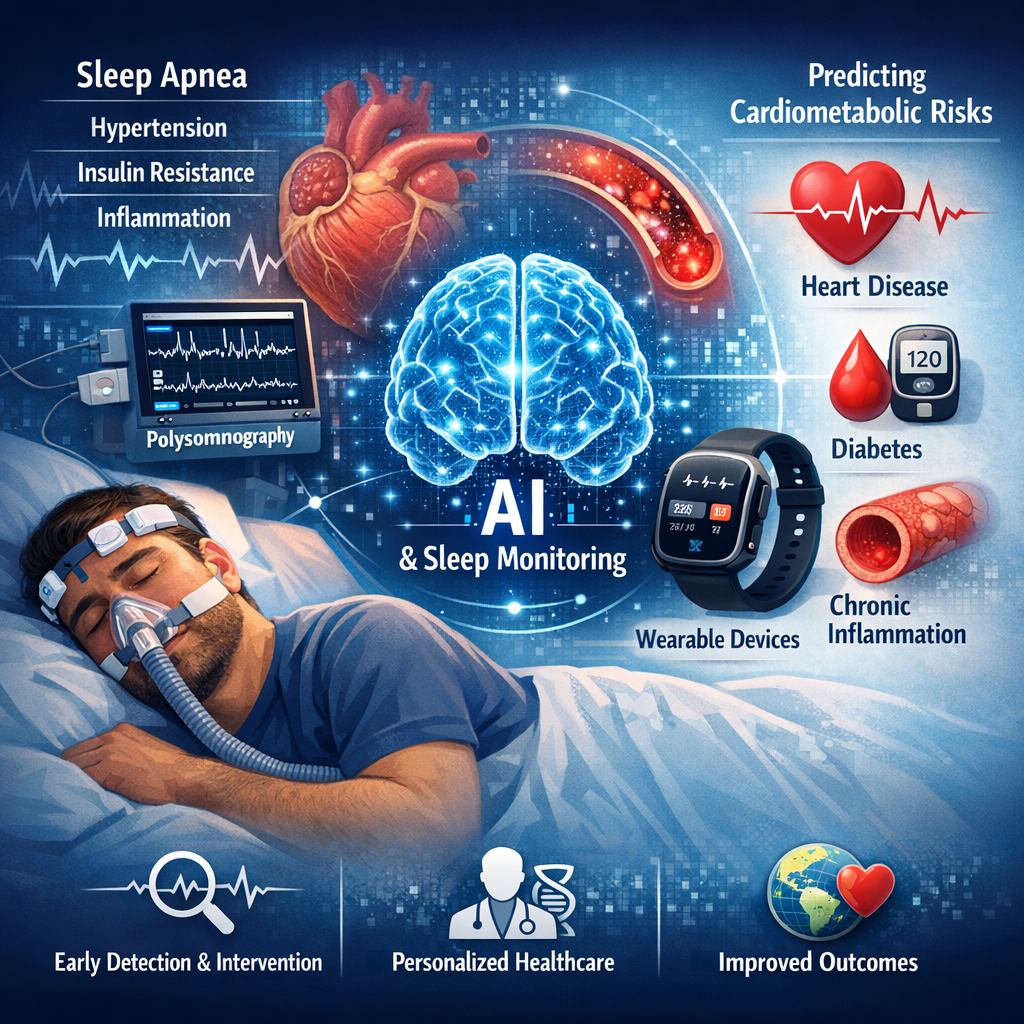
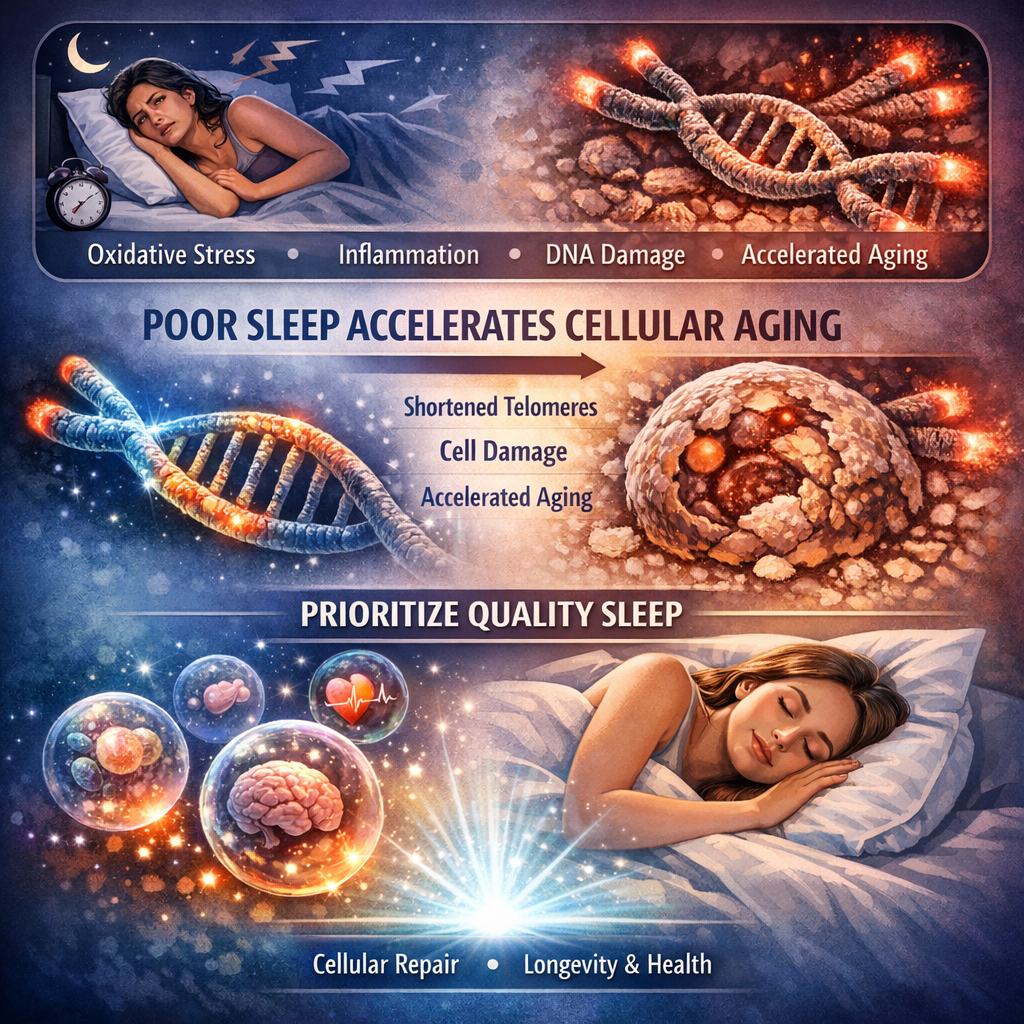
Recent research highlights the connection between disturbed sleep architecture and **accelerated cellular aging**. Historically, genetics was believed to primarily drive cellular aging, but new evidence emphasizes the significant impact of environmental factors, particularly **sleep quality**. Disruptions in sleep—due to lifestyle, stress, or conditions like **sleep apnea**—can destabilize bodily processes that occur during rest. These disturbances may increase **oxidative stress**, inflammation, and hormonal imbalances, contributing to premature cellular aging. Poor sleep quality may elevate **cortisol**, a stress hormone linked to cellular breakdown and reduced regenerative capacity.
Understanding these pathways offers a new perspective, viewing sleep as a vital contributor to cellular homeostasis. Healthcare professionals are encouraged to routinely assess and address sleep quality in comprehensive health evaluations. As research advances, the phrase “sleep is the best medicine” gains deeper significance, underscoring sleep’s role in promoting healthy aging and longevity.
Features: Relevant Studies and Findings
**Several studies** illuminate the link between disrupted sleep architecture and cellular aging. For example, a study published in *Nature Communications* examined the impact of sleep on **telomere length**—a marker for cellular aging. Telomeres, protective caps at chromosome ends, naturally shorten with age, but poor sleep accelerates this process. The study found individuals with fragmented sleep had significantly shorter telomeres, directly linking poor sleep to accelerated cellular aging [Nature Communications](https://www.nature.com/articles).
Additionally, research in *The Journal of Clinical Endocrinology & Metabolism* explored how sleep deprivation promotes oxidative stress and inflammation, key processes in cellular aging. This study concluded that disrupted sleep increased markers of systemic inflammation and oxidative stress, both accelerating cellular degeneration [The Journal of Clinical Endocrinology & Metabolism](https://academic.oup.com/jcem). Another study in *Science Advances* focused on sleep’s impact on **DNA repair mechanisms**, crucial determinants of cellular aging. Findings revealed sleep-deprived individuals experienced downregulation of genes involved in DNA repair pathways, increasing vulnerability to DNA damage—a hallmark of cellular aging and a contributor to age-related diseases [Science Advances](https://advances.sciencemag.org).
Collectively, these studies emphasize how sleep, or the lack thereof, influences cellular aging pathways, highlighting the need for further research into personalized sleep solutions aimed at enhancing sleep architecture and extending health span. Medical professionals should integrate sleep assessments into patient care protocols as a preventive measure against accelerated aging.
Conclusion
The relationship between disrupted sleep architecture and accelerated cellular aging is a burgeoning field, offering promising insights into the interplay between nightly rest and long-term health. As we unravel this connection’s biological underpinnings, appreciation grows for the simple, yet powerful act of sleep. It becomes evident that sleep is not merely a peripheral need but a critical pillar supporting cellular integrity and longevity. Promoting better sleep health across all ages allows individuals to significantly influence cellular vitality and overall quality of life. Clinicians and healthcare providers must prioritize sleep quality in health assessments. As research progresses, exploring sleep’s impact on cellular aging promises new strategies to enhance well-being and extend healthy years.
In conclusion, the benefits of **restorative sleep** cannot be undervalued. As science uncovers sleep’s full impact, it’s imperative to respect, prioritize, and optimize our sleep to harness its benefits for a healthier, longer life.
**Concise Summary**
Disrupted sleep architecture is increasingly linked to accelerated cellular aging. Studies demonstrate that poor sleep quality can shorten telomeres, increase oxidative stress, and downregulate DNA repair pathways, accelerating age-related cellular decline. This emerging research underscores sleep’s crucial role in health maintenance and suggests that improving sleep could mitigate cellular aging and extend health span. Clinicians are encouraged to integrate sleep assessments into routine care, emphasizing sleep’s vital influence on cellular integrity and overall well-being. Prioritizing sleep health may offer new strategies for promoting longevity and enhancing quality of life.

Dominic E. is a passionate filmmaker navigating the exciting intersection of art and science. By day, he delves into the complexities of the human body as a full-time medical writer, meticulously translating intricate medical concepts into accessible and engaging narratives. By night, he explores the boundless realm of cinematic storytelling, crafting narratives that evoke emotion and challenge perspectives.
Film Student and Full-time Medical Writer for ContentVendor.com