The Hidden Battle: How Impacted Nasal Airways Unleash a Silent Sleep Apnea Epidemic
Topic Introduction
**Sleep** is a cornerstone of human health, affecting everything from cognitive function to emotional well-being. Yet, for millions worldwide, achieving restful and restorative sleep is hindered by a silent epidemic—**obstructive sleep apnea (OSA)**. At its core, *sleep apnea* is characterized by repeated interruptions in breathing during sleep, leading to fragmented rest and a cascade of health complications ranging from **daytime fatigue** to **cardiovascular disease**.
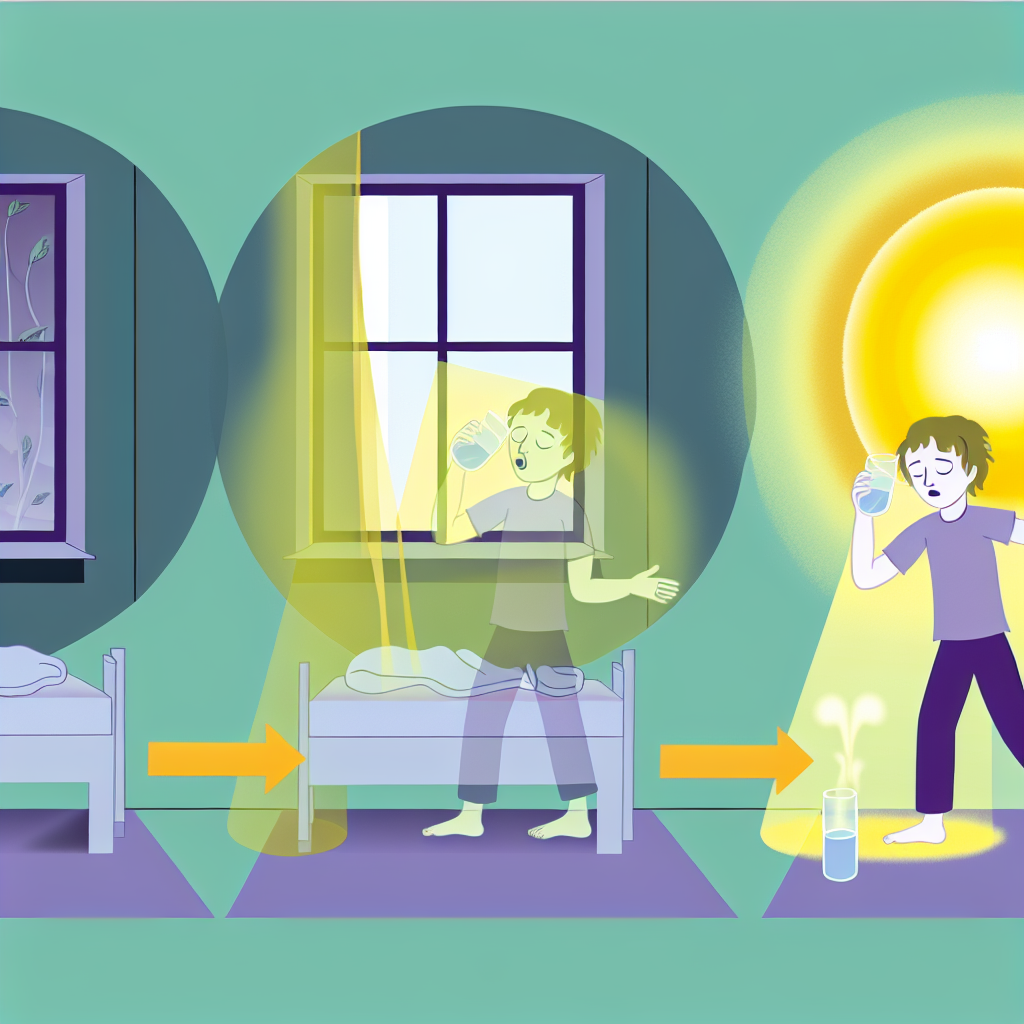
While much attention has been given to the obvious culprits of sleep apnea, such as **obesity** and **age**, a lesser-known but equally insidious factor can have a profound impact: impacted *nasal airways*. **Nasal obstruction** can cause **mouth breathing**, **dry throat**, and, ultimately, disturbed sleep patterns. It is an unassuming villain but one that can unleash a torrent of challenges for the body’s vital restorative processes during sleep.
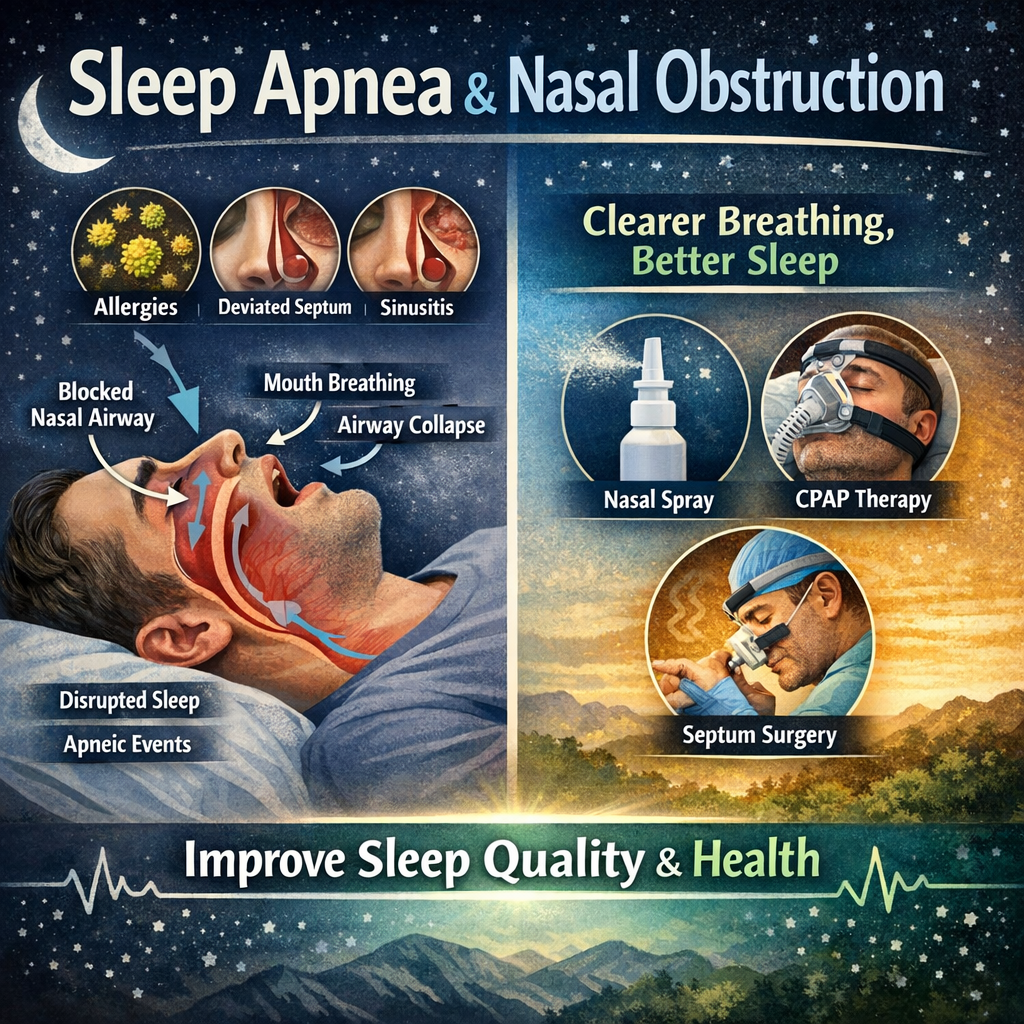
*Impacted nasal airways* can occur due to a variety of conditions, including **allergies**, **sinusitis**, or structural issues like a **deviated septum**. These conditions contribute to the blockage and narrowing of nasal passages, forcing individuals to breathe through their mouths. This not only disturbs natural airway alignment but can exacerbate or even trigger sleep apnea by increasing the resistance in the upper airways.
The prevalence of *impacted nasal airways* is staggering, often impacting individuals of all ages—from young children with **allergic rhinitis** to older adults with structural nasal changes over time. As these individuals struggle to maintain nasal breathing, the likelihood of sleep disorders, particularly sleep apnea, rises.
In this exploration of the silent epidemic of sleep apnea, we will delve into how impacted nasal airways contribute to this condition, examine recent studies that elucidate the link between nasal obstruction and sleep apnea, and discuss strategies to mitigate its effects. By shining a light on this hidden battle, we aim to arm individuals with the knowledge necessary to seek appropriate interventions, ultimately paving the way to a healthier, more restorative sleep experience.
Features
Recent medical studies have increasingly highlighted the impact of nasal breathing on sleep quality and its role in the pathology of sleep apnea. A seminal study published in the “American Journal of Respiratory and Critical Care Medicine” demonstrated that individuals with chronic nasal obstruction exhibit a higher prevalence of sleep-disordered breathing. The [research](https://www.atsjournals.org/journal/ajrccm) underscored that nasal resistance is directly correlated with increased respiratory disturbances during sleep, emphasizing the necessity of unobstructed nasal passages for optimal sleep health.
Another notable study conducted by researchers at the University of Michigan found that interventions aimed at alleviating nasal obstruction, such as nasal steroid sprays or surgical correction of a deviated septum, significantly improved the quality of sleep in patients previously suffering from OSA. These interventions reduce nasal blockage, allowing for a return to nasal breathing and diminishing the occurrence of apneic events during sleep. More details can be found [here](https://medicine.umich.edu/dept/otolaryngology).
Moreover, a comprehensive review published in “The Journal of Clinical Sleep Medicine” discussed the benefit of **Continuous Positive Airway Pressure (CPAP) therapy** in individuals with sleep apnea and concomitant nasal obstruction. CPAP not only maintains open airways but also counteracts the negative effects of impacted nasal airways by stabilizing the upper airway, thereby reducing apneic occurrences. Importantly, this treatment option has been shown to improve quality of life by alleviating sleep apnea symptoms and improving daytime alertness. Access the review [here](https://jcsm.aasm.org).
Besides the studies addressing adult populations, pediatric studies have also underscored the importance of addressing nasal obstruction early. Research published in “Pediatric Pulmonology” highlighted that children with allergic rhinitis and chronic nasal obstruction are not only prone to mouth breathing and restless sleep but may also experience developmental concerns, emphasizing parental awareness and early intervention. The study can be viewed [here](https://onlinelibrary.wiley.com/journal/10990496).
These studies underscore the importance of recognizing and treating nasal obstruction not only as a means of improving breathing comfort but as a fundamental component of comprehensive sleep apnea management strategies.
Conclusion
The connection between impacted nasal airways and sleep apnea stands as a testament to the intricate balance within our bodies, where even seemingly minor obstructions can have profound impacts on health. Understanding this link empowers individuals across all age groups to seek appropriate assessments and interventions that can enhance their sleep quality substantially. From allergy management to surgical corrections, addressing nasal obstruction is crucial in tackling the silent epidemic of sleep apnea.
Navigating this aspect of health with informed strategies and tailored approaches can not only alleviate the immediate distress caused by poor sleep but also diminish long-term health risks associated with chronic sleep apnea. As the medical community continues to unveil the nuances of sleep health, the path to a restful night’s sleep becomes more attainable, promising a revitalized life marked by enhanced well-being and spirited vitality. For those afflicted, the first step towards victory in this hidden battle might just be a clearer nasal passage.
**Concise Summary:**
The silent epidemic of **obstructive sleep apnea (OSA)** is compounded by the impact of **nasal obstruction** due to conditions like **allergies** or a **deviated septum**. Obstructed nasal passages force mouth breathing during sleep, thereby increasing the risk of sleep apnea by affecting upper airway resistance. Studies highlight that improving nasal airflow through interventions like nasal sprays or surgery significantly enhances sleep quality. Moreover, **CPAP therapy** remains a vital treatment modality. Addressing nasal obstructions, whether in adults or children, is crucial for combating sleep apnea and ensuring overall health and well-being.

Dominic E. is a passionate filmmaker navigating the exciting intersection of art and science. By day, he delves into the complexities of the human body as a full-time medical writer, meticulously translating intricate medical concepts into accessible and engaging narratives. By night, he explores the boundless realm of cinematic storytelling, crafting narratives that evoke emotion and challenge perspectives.
Film Student and Full-time Medical Writer for ContentVendor.com