Uncovering the Silent Epidemic: How Sleep Disorders Could Be the Hidden Driver Behind Chronic Health Issues
—
**Introduction**
In today’s fast-paced world, **sleep**—an essential pillar of health—is often overlooked. This neglect has led to the emergence of **sleep disorders** as a silent epidemic, affecting millions worldwide. From **insomnia** and **sleep apnea** to **restless legs syndrome** and **narcolepsy**, these disorders often go undiagnosed, quietly wreaking havoc on individuals’ health and well-being. Despite a growing body of evidence linking sleep disorders to **chronic health issues**, the implications of poor sleep remain underappreciated.
Sleep is a complex physiological process necessary for physical restoration, hormone regulation, and cognitive functions, among other vital processes. When disrupted, it can lead to a host of health problems. Sleep disorders have been increasingly associated with chronic conditions such as obesity, diabetes, cardiovascular diseases, and even mental health disorders like depression and anxiety. This growing recognition of the interplay between sleep disorders and chronic health issues underscores the need for a comprehensive approach to health that incorporates sleep as a central component.
The consequences of sleep disorders are not only individual but also societal, impacting productivity, safety, and healthcare systems. Poor sleep affects cognition, leading to reduced work performance and higher accident risks. Additionally, the economic burden of undiagnosed and untreated sleep disorders is staggering. Understanding and addressing these disorders can therefore have significant benefits on multiple fronts, from healthcare costs to quality of life.
Public awareness about the importance of sleep is increasing, yet many remain unaware of the symptoms of sleep disorders and their potential impact on health. This article aims to shed light on this silent epidemic, explore the science connecting sleep disorders with chronic health conditions, and encourage proactive steps towards better sleep health. By valuing sleep as much as we do nutrition and exercise, we can uncover a vital pathway to improved health and well-being.
—
**Features**
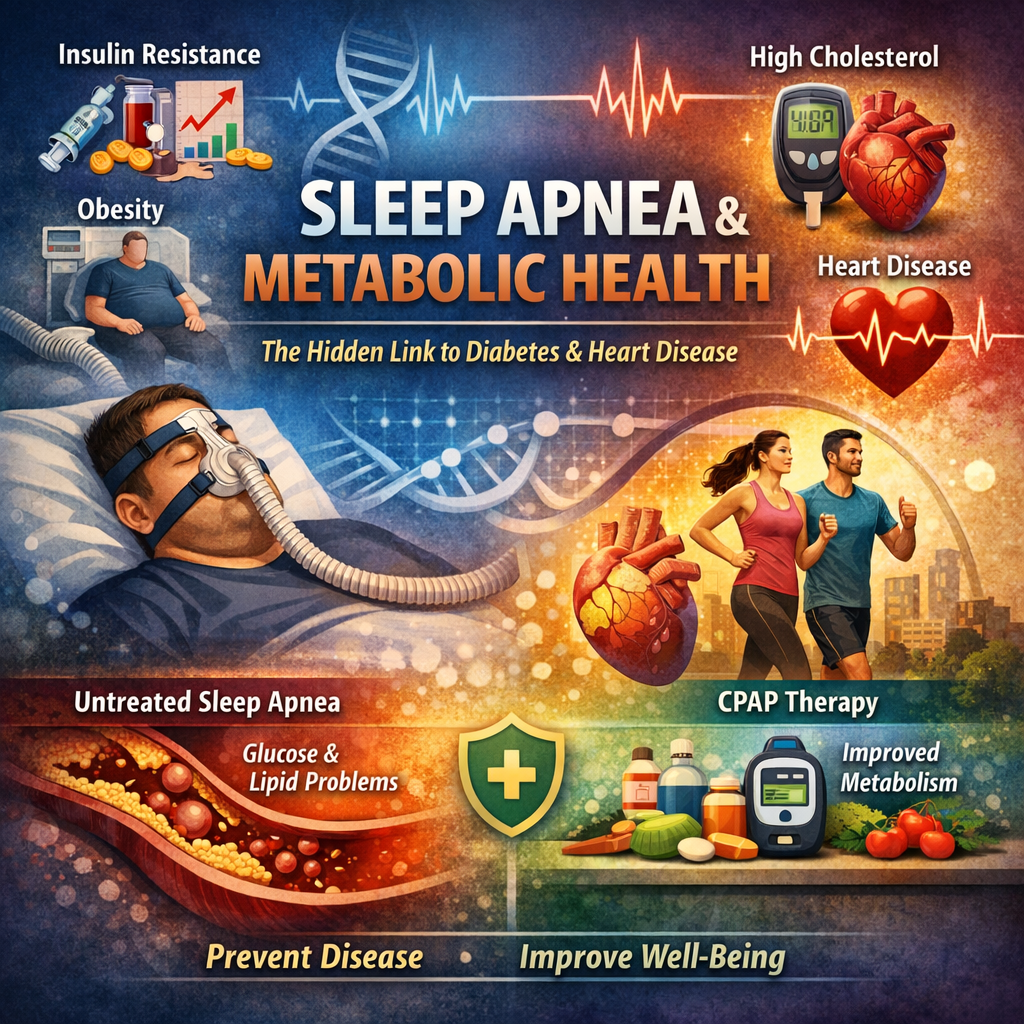
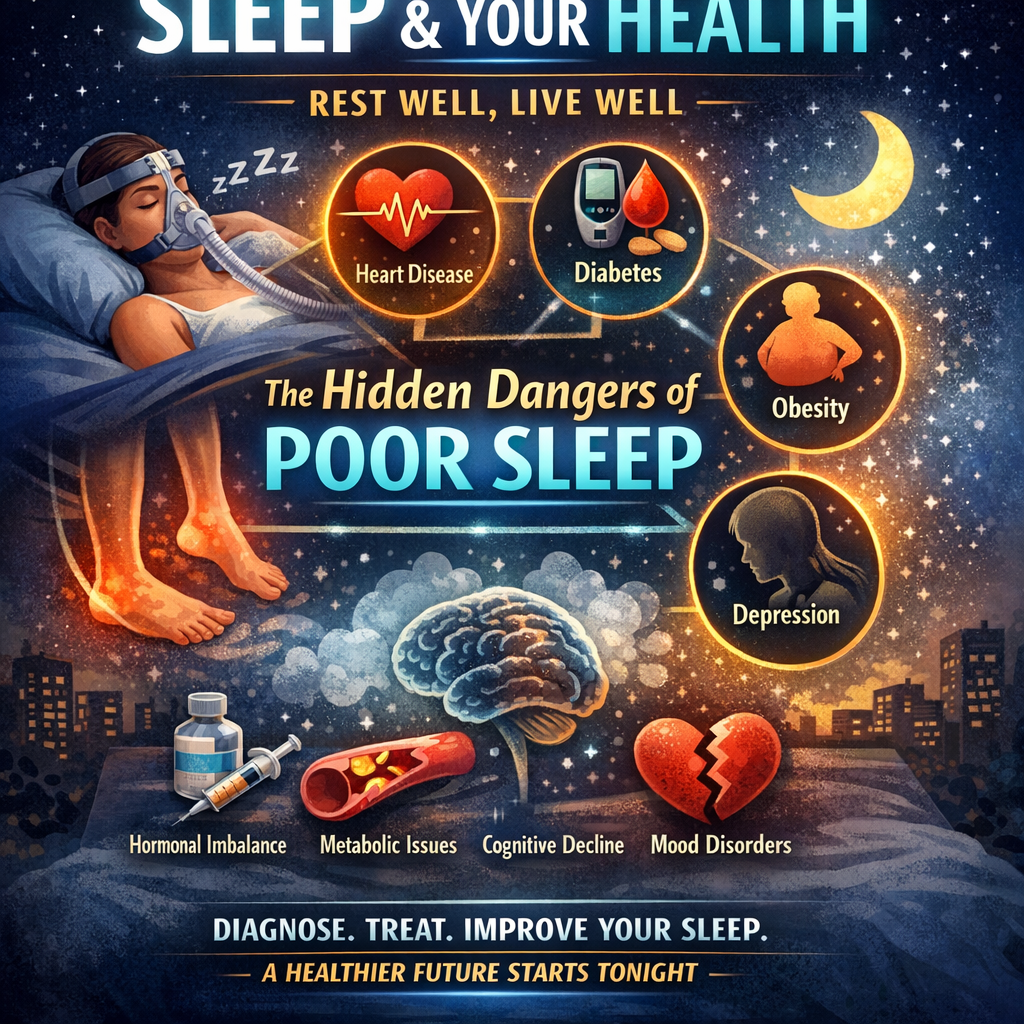
Research underscores the profound impact sleep quality has on overall health. A pivotal study published in the *[Journal of Clinical Sleep Medicine](https://jcsm.aasm.org)* highlights that poor sleep is directly linked to the prevalence of chronic illnesses such as diabetes and hypertension. Researchers found that individuals experiencing sleep deprivation or ongoing sleep disorders were significantly more likely to develop **metabolic dysregulation**, which can lead to **type 2 diabetes**. Lack of sleep affects insulin sensitivity and glucose metabolism, critical factors in the development of diabetes.
Another comprehensive study in the *[European Heart Journal](https://academic.oup.com/eurheartj)* observed that people with sleep apnea, a common yet underdiagnosed sleep disorder, have a higher risk of developing cardiovascular diseases. The research highlighted that repeated interruptions in breathing lead to decreased oxygen supply, increased blood pressure, and strain on the cardiovascular system. Over time, these effects escalate, contributing to heart disease and stroke.
Mental health is also intricately tied to sleep quality. A longitudinal study conducted by the *[University of Michigan](https://pubmed.ncbi.nlm.nih.gov/)* found that individuals with insomnia were at a higher risk of experiencing major depressive episodes. Sleep deprivation impacts neurotransmitter production and stress hormones, which play a crucial role in mood regulation. This study underscores the need for integrated treatment approaches that address both sleep disorders and mental health conditions.
The relationship between sleep disorders and obesity is equally compelling. A study in the *[Journal of Clinical Endocrinology & Metabolism](https://academic.oup.com/jcem)* showed that inadequate sleep leads to hormonal imbalances that affect hunger and appetite. Specifically, sleep-deprived individuals exhibited elevated levels of **ghrelin**, a hormone that stimulates appetite, and reduced levels of **leptin**, a hormone that signals satiety. These hormonal changes increase the risk of overeating and, subsequently, obesity.
These studies highlight the multifaceted ways in which sleep disorders contribute to chronic health issues. By diagnosing and treating sleep disorders, healthcare professionals can potentially mitigate these risks, emphasizing the need for better public awareness and medical focus on sleep health.
—
**Conclusion**
The silent epidemic of sleep disorders is an often-overlooked driver of numerous chronic health issues. From metabolic and cardiovascular diseases to mental health conditions, the impact of poor sleep is profound and far-reaching. As understanding of the connection between sleep and health expands, it becomes clear that addressing sleep disorders is not merely about improving rest but also about enhancing overall well-being and minimizing the risk of chronic disease.
Healthcare systems must prioritize sleep health through education, research, and the integration of sleep assessments into routine medical evaluations. For individuals, fostering better sleep hygiene—consistent sleep schedules, a calming pre-sleep routine, and creating a conducive sleep environment—can serve as foundational elements of preventive health care. By bringing sleep into focus, we can not only alleviate the burden of chronic diseases but also significantly improve quality of life. Let us move towards a future where sleep is regarded with the importance it truly deserves.
—
**Concise Summary**
Sleep disorders are emerging as a silent epidemic, contributing to a range of chronic health issues like obesity, diabetes, cardiovascular diseases, and mental health disorders. Despite growing evidence linking sleep to overall health, sleep issues often remain undiagnosed. Research underscores the profound effect of sleep quality on chronic illnesses, highlighting the need for integrated healthcare approaches that incorporate sleep assessments. Raising public awareness and fostering better sleep hygiene can significantly improve health and reduce disease burden. It’s crucial to prioritize sleep health as much as nutrition and exercise for enhanced well-being and quality of life.

Dominic E. is a passionate filmmaker navigating the exciting intersection of art and science. By day, he delves into the complexities of the human body as a full-time medical writer, meticulously translating intricate medical concepts into accessible and engaging narratives. By night, he explores the boundless realm of cinematic storytelling, crafting narratives that evoke emotion and challenge perspectives.
Film Student and Full-time Medical Writer for ContentVendor.com