Can Algorithmic Medicine Revolutionize Sleep Apnea Treatment with AI-Driven Diagnostics?
Introduction
**Sleep apnea** is a common yet potentially serious sleep disorder characterized by repeated interruptions in breathing during sleep. Affecting millions of individuals worldwide, it can lead to daytime fatigue, cardiovascular problems, and other health issues if left untreated. Traditional methods of diagnosing and treating **sleep apnea** often involve overnight polysomnography in a sleep lab, which can be cumbersome, costly, and inconvenient for patients. However, advances in **algorithmic medicine** and **artificial intelligence (AI)** could potentially transform the landscape of sleep apnea management by streamlining diagnostics and personalizing treatment.
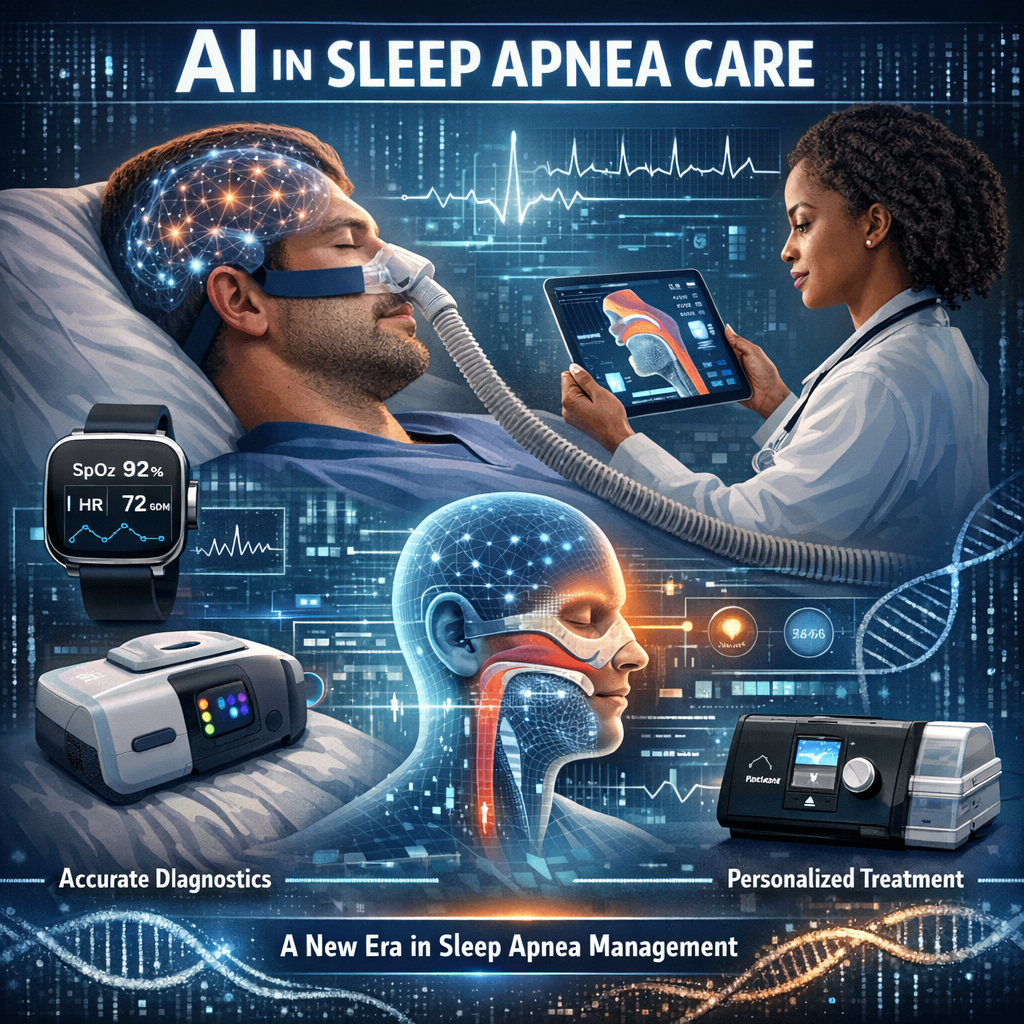
**Algorithmic medicine** refers to the use of algorithms, often powered by **AI**, to analyze complex medical data and make healthcare decisions more efficient. In the context of sleep apnea, **AI-driven diagnostics** involve the use of machine learning models and data analytics to identify patterns in patients’ sleep data, such as breathing patterns and oxygen levels, indicative of sleep apnea. This technology can operate using data collected from wearable devices or home sleep tests, making it more accessible and less intrusive than traditional methods.
The potential of **algorithmic medicine** in revolutionizing sleep apnea treatment lies in its precision and scalability. **AI algorithms** can process vast amounts of data far more rapidly than humans, potentially leading to quicker diagnoses. Furthermore, they can be continuously updated and improved as more data is collected, enhancing their accuracy over time. This adaptability is crucial in a field where understanding patient variability can significantly affect treatment outcomes. **AI** can also assist in customizing treatment strategies for individual patients, considering variables such as age, weight, and other health conditions.
Harnessing **AI** in sleep apnea care can not only improve diagnostics but streamline and personalize other aspects of treatment. **AI-based models** can predict how patients will respond to continuous positive airway pressure (**CPAP**) therapy, automatic adjustment of PAP levels, or other interventions, thereby refining treatment plans dynamically. This adaptability is particularly beneficial in optimizing patient outcomes, enhancing adherence to therapy, and reducing healthcare costs.
Features
A growing body of professional and medical studies substantiates the promise of **AI** in revolutionizing **sleep apnea diagnostics** and treatment. One such study, published in the [Journal of Clinical Sleep Medicine](https://jcsm.aasm.org), explores the application of machine learning algorithms on datasets derived from wearable devices to predict sleep apnea risk with high accuracy. The research demonstrated that **AI models** could achieve similar levels of precision in identifying sleep apnea as traditional polysomnograms. Moreover, they offer the advantage of being less invasive and more conducive to patient comfort.
Another pivotal study by researchers at the [University of California, San Diego Health](https://health.ucsd.edu), emphasized the efficacy of **AI** in refining **CPAP therapy**. Their work focused on developing an **AI-based tool** that customizes CPAP machine settings using predictive analytics derived from continuous monitoring data. The findings indicated a significant improvement in patient adherence and overall sleep quality, marking a leap forward in personalized medicine for sleep apnea.
Furthermore, companies like **ResMed** have integrated **AI technologies** in their sleep apnea products, showcasing a significant reduction in the duration of undiagnosed sleep apnea and an increase in therapy compliance rates. By analyzing data from millions of users globally, their **AI platforms** can continuously update diagnostic algorithms to maintain high accuracy and relevance, demonstrating the value of data-driven insights in sleep health management.
**AI-driven diagnostics** also contribute to a more inclusive approach to sleep apnea detection. Studies suggest that traditional diagnostic methods tend to underdiagnose certain demographics, such as women and ethnic minorities, who might present atypical symptoms. AI’s pattern recognition capabilities can address this bias, ensuring more equitable healthcare delivery, as supported by the [American Academy of Sleep Medicine](https://aasm.org).
Conclusion
The integration of **algorithmic medicine** into **sleep apnea diagnosis** and treatment heralds a promising evolution in sleep health management. By leveraging the capabilities of **AI** and **machine learning**, healthcare providers can offer more accurate, efficient, and personalized care to patients struggling with this common disorder. The ability of **AI** to analyze vast datasets rapidly and adaptively presents opportunities to overhaul conventional diagnostic and treatment paradigms, making sleep apnea management more patient-centric. As technological advancements continue to reshape the healthcare landscape, it is essential to ensure that ethical considerations regarding data privacy and algorithmic transparency are prioritized. The combination of innovative **AI technologies** with human expertise has the potential to make significant strides in tackling sleep apnea, paving the way for a future where sleep disorders are managed with unprecedented precision and accessibility.
For additional information, please visit these resources:
[Journal of Clinical Sleep Medicine](https://jcsm.aasm.org),
[University of California, San Diego Health](https://health.ucsd.edu),
[American Academy of Sleep Medicine](https://aasm.org).
**Concise Summary:**
Algorithmic medicine, powered by AI, revolutionizes sleep apnea management by improving diagnostics and personalizing treatments. By analyzing sleep data from wearables, AI offers a less invasive, more efficient alternative to traditional methods, enabling quicker and more accurate diagnoses. The adaptability of AI ensures that treatment strategies are tailored to individual needs, enhancing patient outcomes and therapy compliance. Studies highlight AI’s potential to address diagnostic biases and refine therapies like CPAP, making sleep apnea care more inclusive and cost-effective. Ethical considerations, including data privacy and transparency, are vital in realizing AI’s full potential in sleep health management.

Dominic E. is a passionate filmmaker navigating the exciting intersection of art and science. By day, he delves into the complexities of the human body as a full-time medical writer, meticulously translating intricate medical concepts into accessible and engaging narratives. By night, he explores the boundless realm of cinematic storytelling, crafting narratives that evoke emotion and challenge perspectives.
Film Student and Full-time Medical Writer for ContentVendor.com