The Silent Link: How Sleep Apnea and Insulin Resistance are Secretly Undermining Your Healthspan
In today’s fast-paced world, getting a good night’s sleep is often undervalued, relegated to a secondary health priority. However, quality sleep is fundamental to our overall health, serving as a crucial period for our bodies to repair and rejuvenate. Among sleep disorders, **sleep apnea** is notably pervasive and insidious, often eluding detection due to its nocturnal nature. This breathing-related sleep disorder is more than a mere inconvenience—it can have significant, far-reaching impacts on one’s healthspan, subtly influencing **insulin resistance** and metabolic health, among other functions.
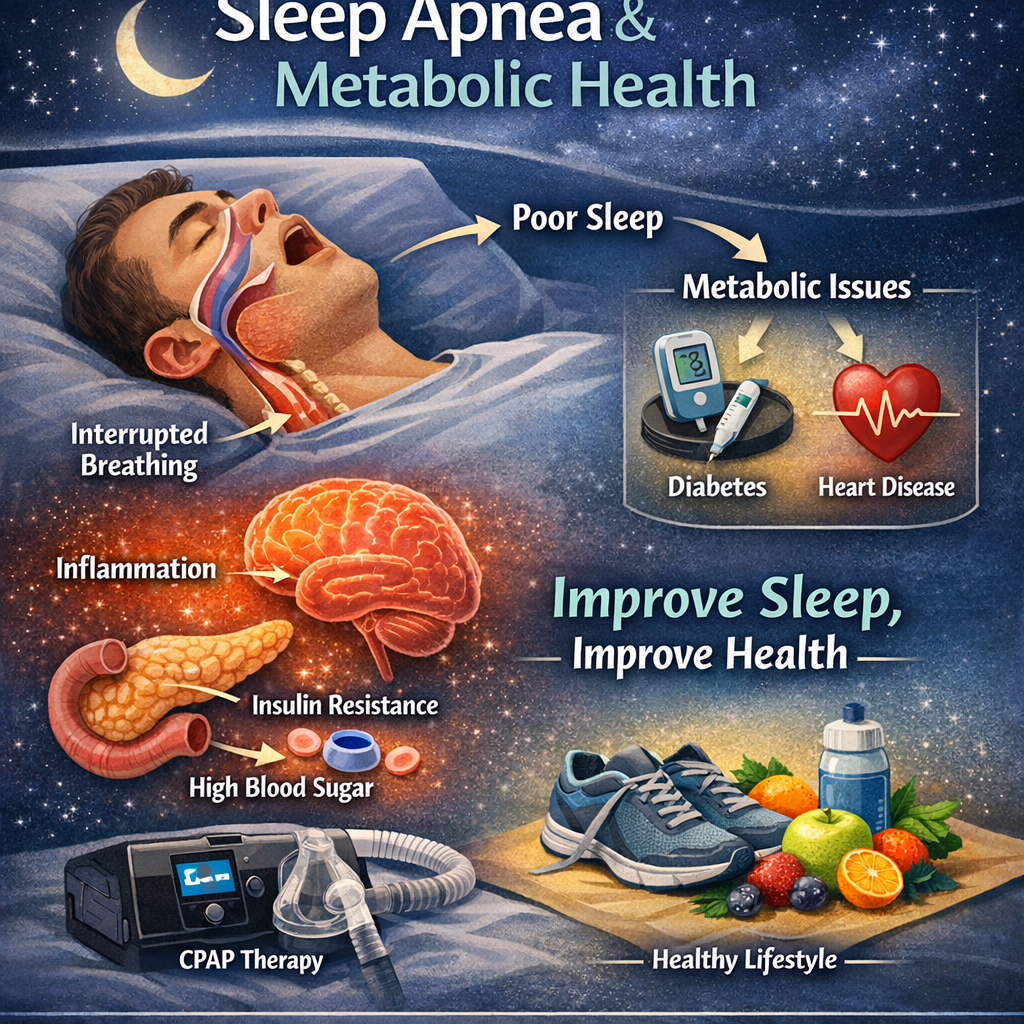
Sleep apnea is characterized by repeated interruptions in breathing during sleep, leading to fragmented sleep patterns and inadequate restorative rest. The underlying mechanism typically involves the relaxation of throat muscles, which restricts airflow and frequently leads to loud snoring, choking, or gasping sounds. For those affected, these disturbances mean the brain and the rest of the body may be deprived of much-needed oxygen and uninterrupted sleep, resulting in a cascade of potential health issues.
One of the lesser-known ramifications of **sleep apnea** is its connection to insulin resistance, a critical factor in the development of **type 2 diabetes** and **metabolic syndrome**. Insulin resistance occurs when cells in the body become less responsive to insulin, the hormone responsible for regulating blood sugar levels. Research has shown that sleep apnea can exacerbate insulin resistance by altering glucose metabolism and escalating levels of systemic inflammation. The constant arousal from sleep leads to increased sympathetic nervous system activity, contributing to hormonal imbalances that disturb normal glucose regulation.
This interplay between sleep apnea and insulin resistance highlights a silent but potent threat to our well-being. As both conditions tend to develop subtly over time, many individuals might remain unaware of the ticking time bombs within their bodies. Ignoring these interconnected issues can diminish one’s quality of life and increase the risk of severe health events, including heart disease and stroke.
Navigating a path to better sleep health involves identifying and addressing sleep apnea as a potential contributor to metabolic dysfunctions. *The awareness of this link* can empower individuals to make informed decisions to improve their sleep quality, possibly through lifestyle adaptations, medical interventions, or a combination of approaches—all of which ultimately enhance their overall healthspan.
Understanding the Link Through Professional and Medical Studies
Recent studies have shed light on the confluence of sleep apnea and insulin resistance, underscoring the urgent need for awareness and intervention. One pivotal study published in the [American Journal of Respiratory and Critical Care Medicine](https://www.atsjournals.org/doi/10.1164/rccm.201511-2268OC) revealed a strong independent association between sleep apnea severity and insulin resistance, irrespective of obesity—a common factor often linking the two conditions. This finding suggests that sleep apnea itself is a direct contributor to metabolic disturbances, not merely a byproduct of obesity-related conditions.
Moreover, research published in the journal, [Diabetes Care](https://diabetesjournals.org/care/article/36/1/25/30574/Obstructive-Sleep-Apnea-and-Type-2-Diabetes), highlights that the frequent breathing interruptions and subsequent intermittent hypoxia in sleep apnea patients can induce oxidative stress and inflammatory responses. These processes are known contributors to insulin resistance, further elucidating the biological mechanisms interwoven with sleep apnea. The study indicates that timely intervention in treating sleep apnea can mitigate these risks, potentially enhancing insulin sensitivity and metabolic health.
The effectiveness of continuous positive airway pressure (**CPAP**) therapy, a common treatment for sleep apnea, has been a focus of several clinical studies. For instance, a comprehensive meta-analysis examined the impact of CPAP on metabolic outcomes, consolidating evidence that consistent CPAP usage significantly improves insulin sensitivity among individuals with sleep apnea. This reinforces the clinical value of early diagnosis and persistent treatment adherence as a strategy to nullify the metabolic risks associated with sleep apnea.
Understanding these dynamics is crucial for healthcare professionals and patients alike, providing a robust framework to devise effective treatment regimes. As research continues to explore the intricate web linking sleep apnea with broader health implications, it becomes ever more critical for individuals to recognize potential symptoms and seek timely medical advice.
Conclusion: Prioritizing Sleep for Holistic Health
In conclusion, the intersection of sleep apnea and insulin resistance presents a compelling case for the importance of proactive sleep health management. By acknowledging and addressing the link between these conditions, individuals can undertake a transformative journey toward better health outcomes and enhanced longevity. The silent, creeping nature of these health concerns underscores the necessity of vigilance, regular monitoring, and prompt treatment.
Individuals should not hesitate to seek professional assessment if they suspect sleep apnea or experience unexplained symptoms such as daytime fatigue, irritability, or difficulty concentrating. Through comprehensive evaluation and targeted intervention, such as **CPAP therapy** or lifestyle modifications, it is possible to rectify sleep disturbances and mitigate associated metabolic risks. By elevating sleep to a primary health priority, we pave the path to a healthier, more balanced life that extends beyond merely existing to living fully. For those seeking comprehensive information and strategies for improved sleep health, visiting dedicated resources like [medoze.com](https://medoze.com) can offer valuable guidance tailored to diverse needs.
**Concise Summary**
The article emphasizes the often-overlooked importance of sleep, particularly highlighting the link between sleep apnea and insulin resistance, which contributes to metabolic disorders such as type 2 diabetes. Sleep apnea disrupts breathing and sleep patterns, affecting hormonal balance and glucose metabolism. Studies show a strong independent correlation between sleep apnea and insulin resistance, often necessitating interventions like CPAP therapy. Raising awareness and addressing these conditions can enhance the overall health and longevity of individuals. The piece advises seeking medical evaluation if symptoms of sleep apnea are suspected and suggests resources for better sleep management strategies.

Dominic E. is a passionate filmmaker navigating the exciting intersection of art and science. By day, he delves into the complexities of the human body as a full-time medical writer, meticulously translating intricate medical concepts into accessible and engaging narratives. By night, he explores the boundless realm of cinematic storytelling, crafting narratives that evoke emotion and challenge perspectives.
Film Student and Full-time Medical Writer for ContentVendor.com