Sleep Tech Revolution: The Next Frontier in Preventing Chronic Diseases
In recent years, the world of **sleep technology** has undergone a transformation that promises to reshape our understanding of **sleep health**. This revolution is not merely about improving **sleep quality**, but it also holds the potential to prevent **chronic diseases** that affect millions of people worldwide. **Sleep**, an essential component of health, is often underestimated in its ability to influence our physical and mental well-being. However, the tide is turning as science uncovers the profound link between **sleep disturbances** and chronic diseases.
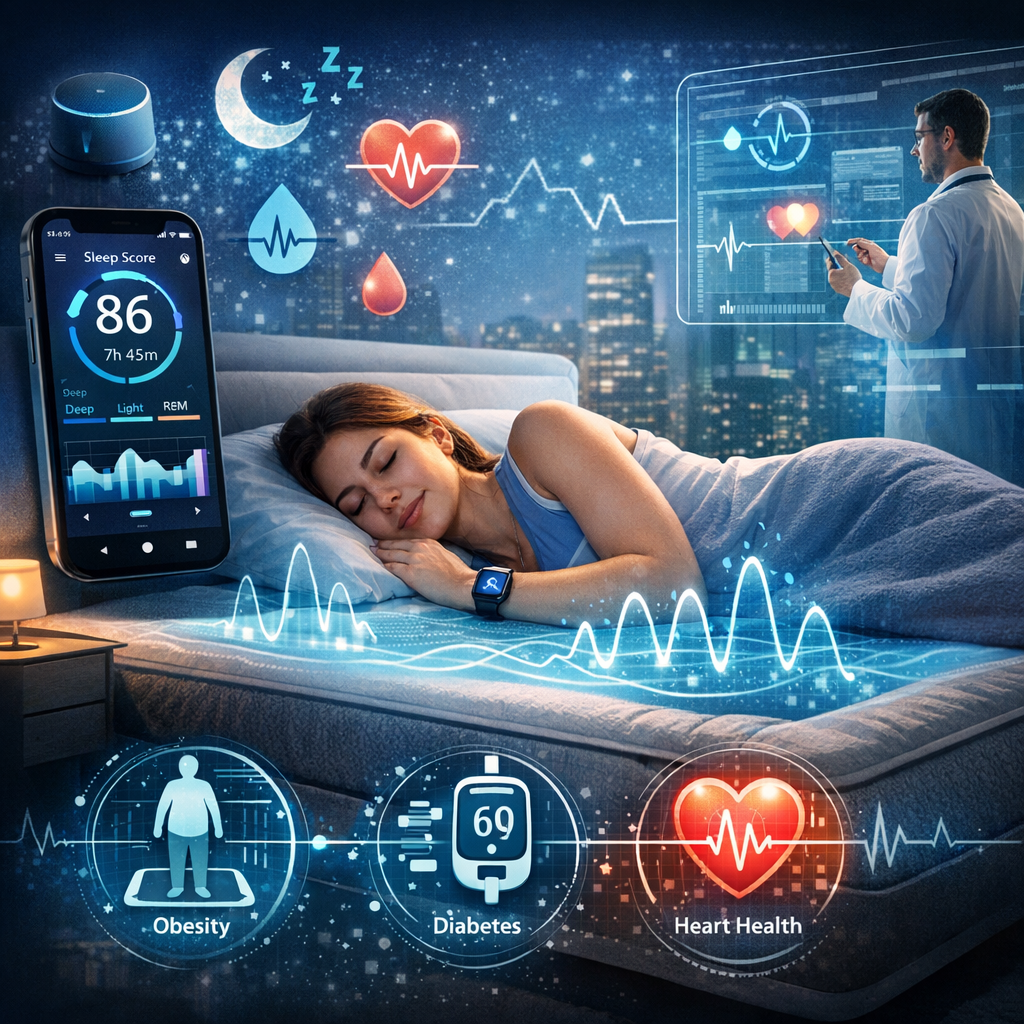
Chronic diseases such as **obesity**, **diabetes**, **cardiovascular diseases**, and **mental health disorders** have seen a sharp rise, largely attributed to modern lifestyles. Several studies highlight the significant role that **sleep disturbances** play in the development and exacerbation of these conditions. For instance, inadequate or poor-quality sleep is strongly associated with an increased risk of **obesity**, as it disrupts metabolic functions and appetite regulation. Similarly, **sleep deprivation** has been shown to contribute to **insulin resistance**, a precursor to diabetes.
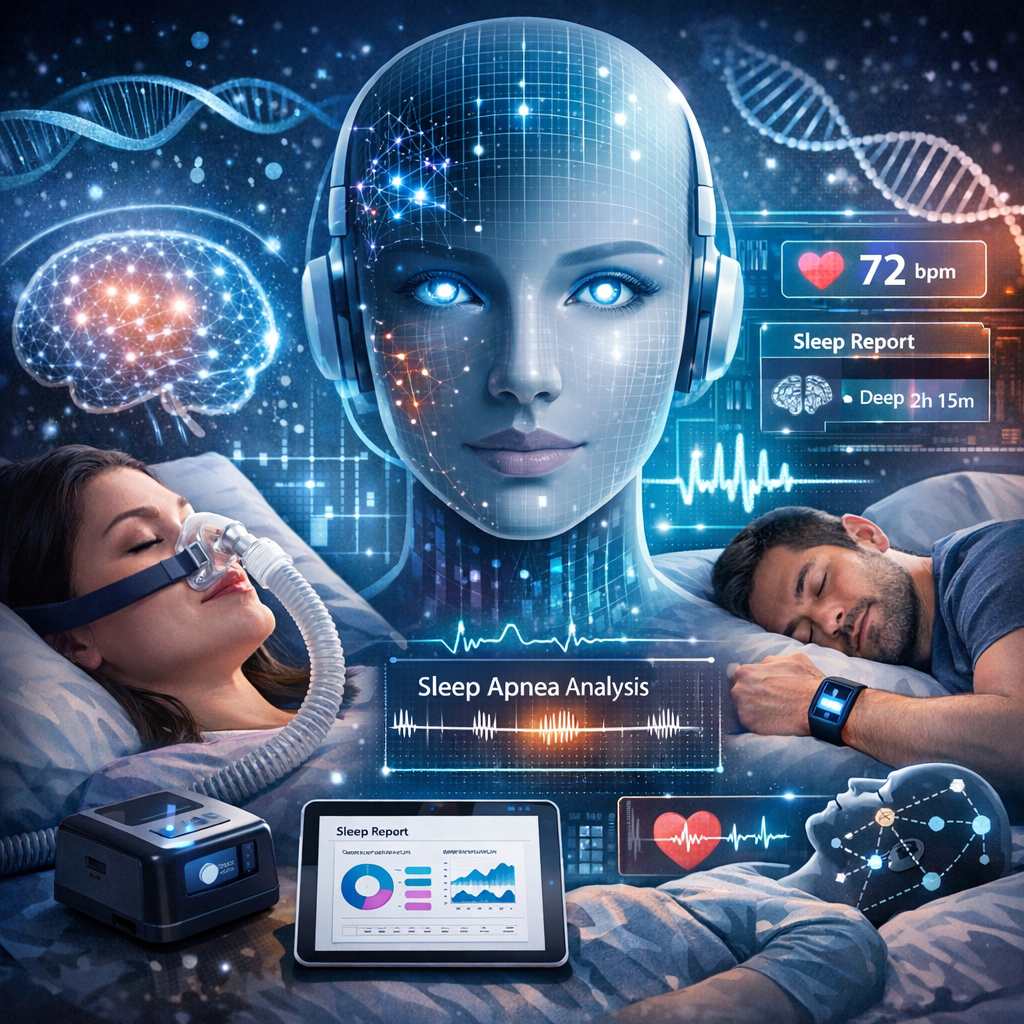
Yet, as researchers deepen their understanding of the connection between sleep and chronic diseases, the emergence of cutting-edge **sleep technology** is positioning itself as a formidable tool in the battle against these ailments. Sleep tech innovations include devices and applications that monitor sleep patterns, assess sleep quality, and offer insights into sleep behaviors. These technologies empower individuals to take control of their sleep health, offering a proactive approach to wellness.
One groundbreaking development is **wearable sleep trackers**, which have transitioned from simple devices that track sleep duration to advanced gadgets capable of analyzing sleep stages, heart rate variability, and respiratory patterns. These tools provide users with detailed data, enabling personalized sleep insights and interventions. Furthermore, **smart mattresses** and **pillows** equipped with sensors track sleep metrics and adjust the sleep environment to optimize comfort and promote restorative sleep.
Moreover, **artificial intelligence**-powered apps now analyze sleep data and deliver evidence-based recommendations to improve sleep hygiene. Such technological advancements not only cater to an individual’s immediate sleep needs but have broader implications for public health by potentially curbing the prevalence of chronic diseases.
Features: Cutting-Edge Research on Sleep Tech and Chronic Diseases
The intersection of sleep technology and **chronic disease prevention** is a burgeoning field with growing evidence supporting its efficacy. Studies sponsored by institutions such as the [National Institutes of Health](https://www.nih.gov/) detail how sleep affects health outcomes and explore tech-driven solutions to promote better sleep. A pivotal study published in the journal [Nature and Science of Sleep](https://www.dovepress.com/nature-and-science-of-sleep) underscores the potential of wearable technology to succeed in chronic disease management by improving sleep quality. The research found that participants who consistently monitored their sleep using technology reported significant improvements in sleep duration and a reduction in symptoms related to **insomnia** and **anxiety**.
Continuing this line of inquiry, a comprehensive review in the [Journal of Clinical Sleep Medicine](https://jcsm.aasm.org/) concluded that personalized sleep tracking could notably benefit patients with **hypertension** and **diabetes** by providing actionable insights into their lifestyle patterns. By addressing poor sleep as a modifiable risk factor, these interventions may lead to better disease management and lower healthcare costs.
Furthermore, the [American Heart Association](https://www.heart.org/) recently highlighted the role of sleep in **cardiovascular health**, emphasizing that sleep duration and quality are as critical as diet and exercise. Incorporating sleep tech into regular health check-ups could serve as a preliminary step to identify those at risk and implement timely interventions.
In the field of **AI**, a study showcased the effectiveness of AI-driven sleep coaching applications in teaching cognitive behavioral approaches to managing insomnia. Participants in this study experienced improved sleep outcomes, decreased stress levels, and enhanced daytime productivity. These technologies, by using big data analytics and machine learning, are constantly evolving to offer specific guidance tailored to individual sleep behaviors.
Conclusion: A Brighter Future with Sleep Tech
The integration of **sleep technology** into daily life represents a paradigm shift in healthcare, with the potential to substantially mitigate the global burden of chronic diseases. As these innovations continue to evolve, making sleep data more accessible and actionable, individuals can proactively manage their sleep health, thereby reducing the risk of developing chronic conditions.
For healthcare providers, the advent of sleep tech offers a new dimension in patient care, enabling them to leverage data for more personalized treatment plans. Collaboration between tech companies, researchers, and healthcare professionals can pave the way for holistic approaches that incorporate sleep as a fundamental pillar of health.
As we stand on the edge of this sleep tech revolution, the promise of better health outcomes, preventive care, and enhanced well-being looms large. It is imperative that individuals, clinicians, and policymakers alike embrace these technologies to foster a healthier future. For more insights into sleep technology and its impact on chronic diseases, visit trusted resources such as the [Sleep Foundation](https://www.sleepfoundation.org/) and [National Sleep Foundation](https://www.thensf.org/).
**Concise Summary**
The burgeoning field of **sleep technology** is revolutionizing healthcare by reshaping our understanding of **sleep health** and its role in preventing **chronic diseases** like **obesity**, **diabetes**, and cardiovascular issues. Innovative tools like **wearable sleep trackers** and **AI-driven apps** offer personalized insights, empowering individuals to improve their sleep and overall health. Cutting-edge research underscores the significance of integrating sleep tech in chronic disease management, offering a new dimension in patient care. By embracing these technological advancements, individuals and healthcare providers can proactively manage sleep health and enhance well-being, ultimately fostering a healthier future.

Dominic E. is a passionate filmmaker navigating the exciting intersection of art and science. By day, he delves into the complexities of the human body as a full-time medical writer, meticulously translating intricate medical concepts into accessible and engaging narratives. By night, he explores the boundless realm of cinematic storytelling, crafting narratives that evoke emotion and challenge perspectives.
Film Student and Full-time Medical Writer for ContentVendor.com