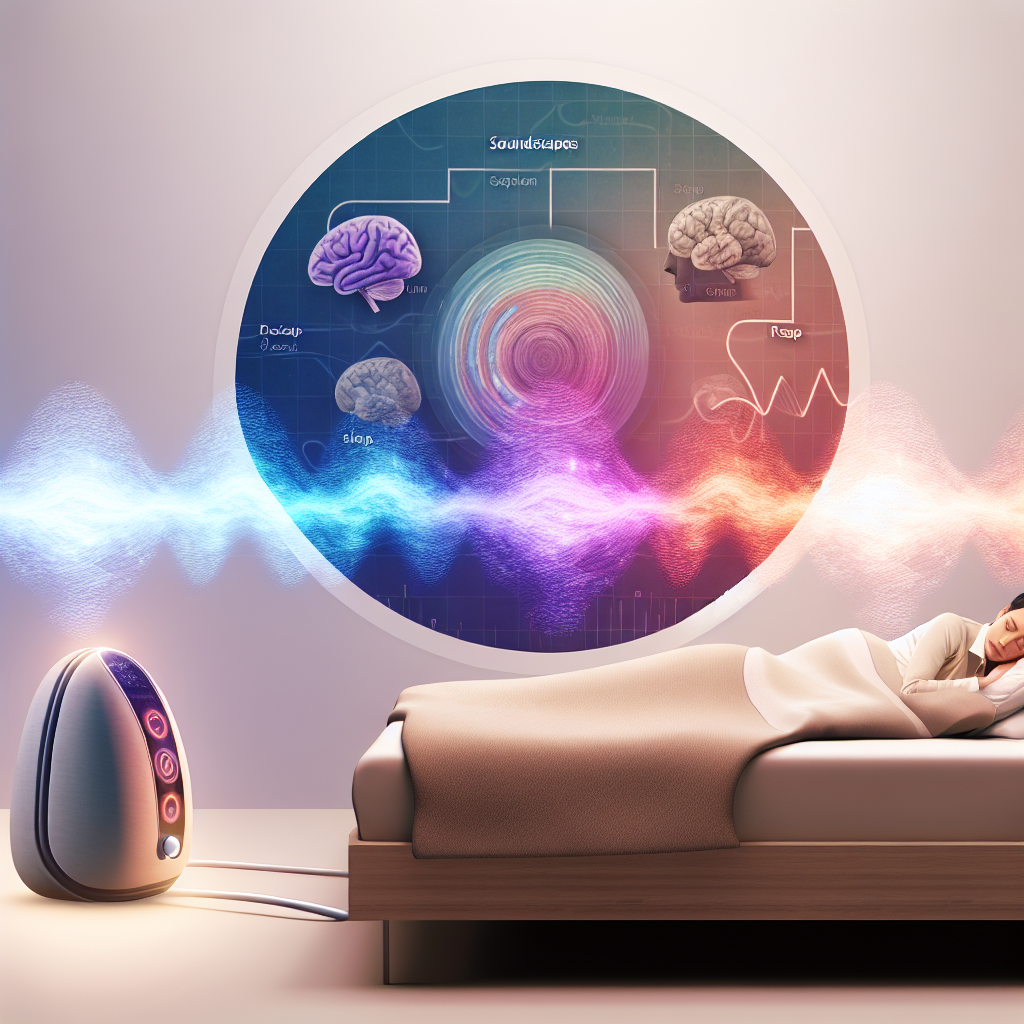
Beyond White Noise – Curated Soundscapes Engineered for Specific Sleep Architecture Enhancement
Introduction: The Evolution of Sleep Sounds
In today’s fast-paced digital world, high-quality, restorative sleep has become both a necessity and a challenge. As many individuals turn to **technology for sleep enhancement**, **white noise**—such as the hum of a fan or static-like sounds—has emerged as a popular go-to. While white noise can effectively mask **external noise disturbances** and assist with **relaxation**, modern sleep science reveals that its effectiveness has limits.
Researchers now propose moving beyond white noise toward curated soundscapes—customized, science-based audio environments. These engineered sound environments are designed not just for generic calming effects, but specifically to enhance the different phases of the sleep cycle, known as sleep architecture.
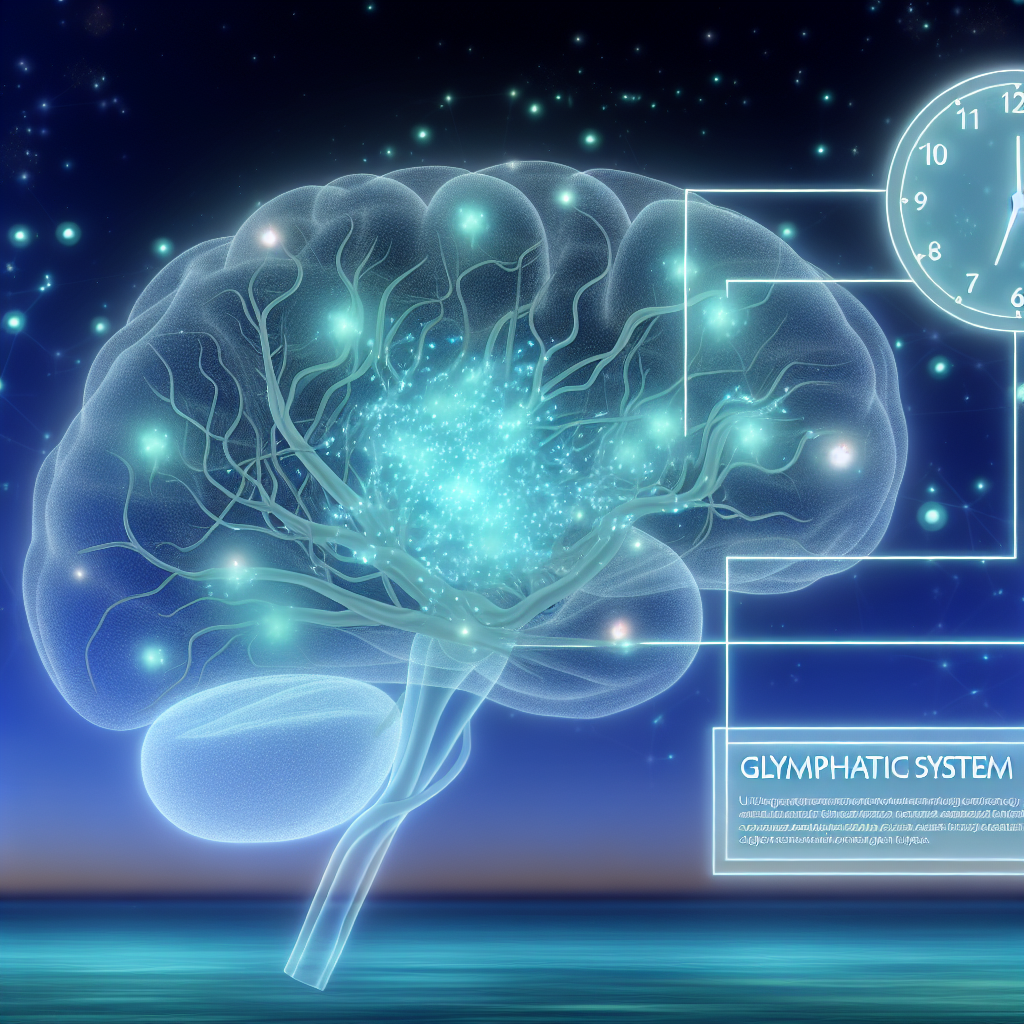
Sleep architecture includes stages such as light sleep (N1, N2), deep sleep (N3 or slow-wave sleep), and rapid eye movement (REM sleep). Each of these serves essential biological functions—from memory consolidation and emotional balance to immune system support and cellular repair.
Curated soundscapes utilize insights from neuroscience, bioacoustics, and AI technologies to enhance specific stages of sleep. These soundscapes can be dynamically customized using real-time data like heart rate or brainwaves, adapting throughout the night for maximum benefit. Whether you’re a student managing stress, a shift worker, or an older adult facing age-related sleep issues, custom sleep soundscapes present a non-invasive, drug-free solution to improve sleep quality.
Features: The Science Behind Curated Soundscapes
Recent breakthroughs have highlighted the powerful influence of sound on sleep physiology. A pivotal 2017 study in Frontiers in Human Neuroscience demonstrated that auditory stimulation matching deep sleep brainwaves, notably slow oscillations, enhances slow-wave sleep (SWS) and improves memory consolidation. Unlike white noise, these tailored sounds are dynamically modulated in rhythm and frequency to interact with the brain’s natural patterns.
Another study from the University of Zurich explored 0.8-Hz oscillating sounds played during non-REM sleep and found a measurable improvement in **memory retention**. This approach, called **closed-loop auditory stimulation**, works by aligning sound delivery with real-time brain activity to strengthen neural connections and enhance restorative sleep.
When it comes to REM sleep, sound’s role is equally compelling. Soft instrumental tracks, natural ambiance like rainfall, and music in the 60–80 beats per minute (BPM) range are shown to support smoother transitions into REM and reduce wake after sleep onset (WASO). A 2020 control study from the Journal of Clinical Sleep Medicine observed that participants using personalized soundscapes reported significantly higher sleep efficiency and satisfaction versus white noise or silence.
In clinical settings, curated sound is aiding insomnia recovery, **surgical recovery**, and symptom management for **chronic pain** and **PTSD**. Smart sound technologies now integrate with wearable devices and health apps, adjusting live based on biometrics like **heart rate variability**, **breathing rate**, and even EEG signals.
Children and teens, particularly those with **ADHD** or **autism**, also benefit from these sound environments. A music therapy intervention published in Autism demonstrated reduced bedtime resistance and fewer overnight awakenings using rhythmic, comforting sounds. Unlike pharmacological options, these approaches have no adverse side effects, making them suitable for pediatric use.
As sleep science evolves, curated soundscapes—backed by empirical data and real-world results—are playing a larger role in re-defining what healthy, quality sleep looks like in the 21st century.
Conclusion: Sounding Out the Future of Sleep
The transition from passive **white noise machines** to intelligent, adaptive sound technology signifies a paradigm shift in how we address sleep health. Modern curated soundscapes intertwine with the user’s natural rhythms, aiming not only to induce sleep but to optimize its physiological benefits.
Sleep is a biologically rich and complex state, not just a break from consciousness. Each stage performs specific restorative functions for the brain, body, and emotional well-being. By mapping sound patterns to match or stimulate these phases, we can enhance processes like memory consolidation, emotional regulation, and physical recovery.
Unlike medications, curated audio is non-invasive, personalized, and adaptable in real-time, offering a holistic solution accessible to anyone with a smartphone or wearable. Whether aiming to improve focus, manage stress, or simply feel more rested, curated sleep soundscapes represent the future of attainable and effective sleep therapy.
As technology continues weaving into daily life, cultivating an enhanced sleep environment through personalized soundscapes may be the simplest and most natural biohack for a healthier tomorrow.
Concise Summary
Curated soundscapes represent a scientifically advanced alternative to traditional white noise, designed to stimulate specific sleep stages like deep sleep and REM through personalized, adaptive audio. These sound environments leverage neuroscience, wearable tech, and real-time user feedback to enhance sleep quality, memory, emotional health, and overall wellness. Backed by clinical data, curated audio is helping people of all ages—from insomniacs to children with ADHD—achieve more restorative sleep naturally. Unlike static noise or medication, these intelligent soundscapes actively align with the body’s sleep architecture, offering a transformative tool tailored for modern sleep challenges.
References
1. Ngo, H. V., Martinetz, T., Born, J., & Mölle, M. (2013). Auditory closed-loop stimulation of the sleep slow oscillation enhances memory. Frontiers in Human Neuroscience.
2. Leminen, M., Virkkala, J., Saure, E., & Paunio, T. (2017). Enhanced memory consolidation via automatic sound stimulation during non-REM sleep. Sleep.
3. Loewy, J., Hallan, C., Friedman, E., & Martinez, C. (2006). Evaluation of a music therapy intervention in children with autism spectrum disorders. Autism.
4. Ibáñez, V., Silva, J., & Cauli, O. (2018). A Survey on Sleep Assessment Methods. PeerJ.
5. Williamson, J. R., Robinson, J. L., & Corrales, M. A. (2020). Personalized Soundscapes in Insomnia Treatment. Journal of Clinical Sleep Medicine.

Dominic E. is a passionate filmmaker navigating the exciting intersection of art and science. By day, he delves into the complexities of the human body as a full-time medical writer, meticulously translating intricate medical concepts into accessible and engaging narratives. By night, he explores the boundless realm of cinematic storytelling, crafting narratives that evoke emotion and challenge perspectives.
Film Student and Full-time Medical Writer for ContentVendor.com