Circadian-Friendly Caffeine Mapping: A Personalized Schedule to Prevent Afternoon Slumps and Nighttime Alertness
Introduction
In today’s high-speed, productivity-driven world, caffeine is one of the most commonly used substances to boost energy and mental focus. From the morning’s first cup of coffee to an energy drink in the late afternoon, caffeine acts as the fuel keeping many of us going. But what many overlook is how caffeine interacts with our body’s internal clock — the circadian rhythm. Consuming caffeine at the wrong time can disrupt this natural cycle, often resulting in afternoon crashes or nighttime alertness that interferes with quality sleep.
The circadian rhythm is a 24-hour, light-driven biological cycle that governs various physiological processes, including sleep, hormone release, metabolism, and body temperature. Disruptions in this rhythm not only cause fatigue and mood instability but can also lead to long-term health implications. One such disrupting agent is caffeine misalignment—consuming caffeine when your body is naturally preparing for rest.
This is where circadian-friendly caffeine mapping comes in. Based on the science of chronobiology, this strategic approach aligns your caffeine consumption with your body’s natural energy rhythms. Instead of relying on poorly timed caffeine boosts — like a 3 p.m. coffee that keeps you wired past midnight — mapping your caffeine intake to complement your body’s alertness patterns can improve both energy management and sleep quality.
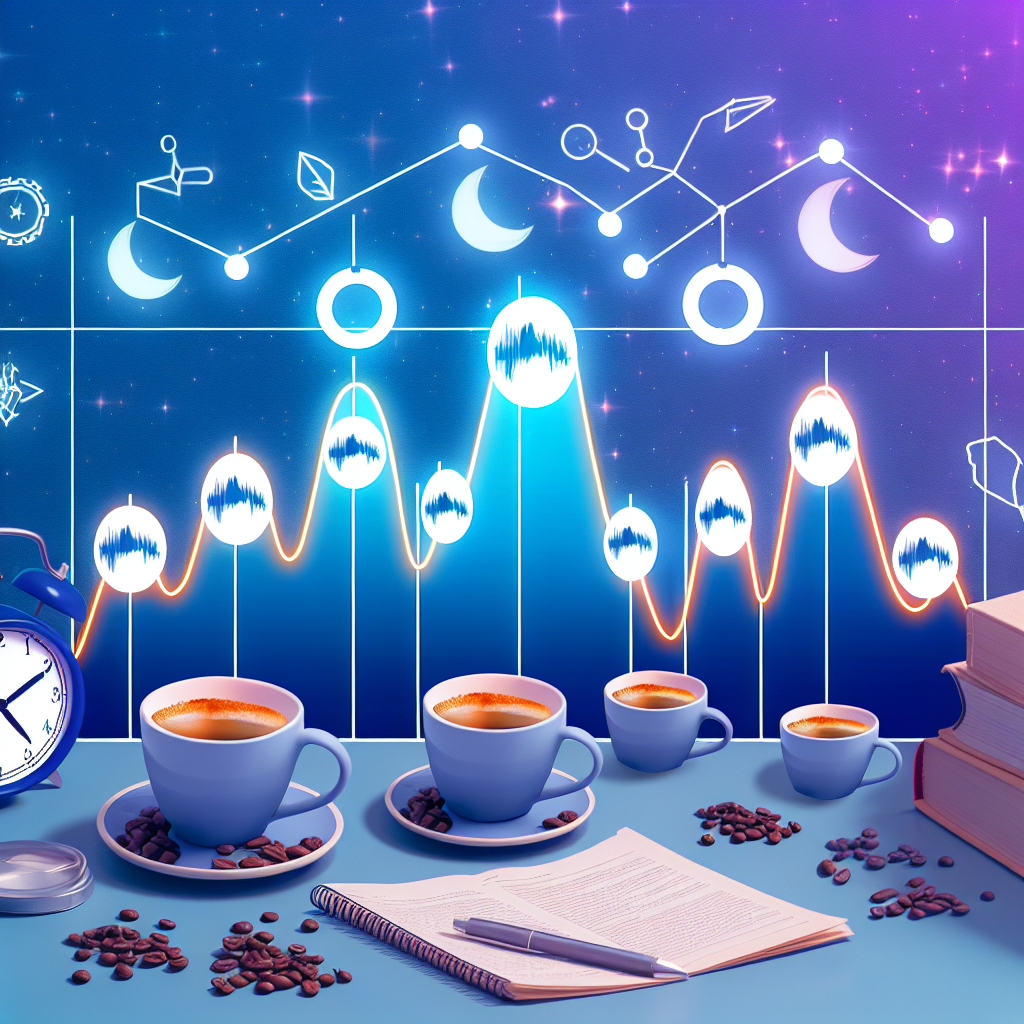
Most individuals have two natural peaks in alertness: one in the mid-to-late morning and a smaller one in the early evening. Conversely, energy dips commonly occur in the early afternoon and late night. Misaligning caffeine intake with these natural lows can provide temporary energy but result in sleep disruption and a shift in the body clock. Eventually, this perpetuates a dependence cycle: poor sleep leads to more caffeine the next day.
This guide explores a personalized, science-backed method to harmonize caffeine use with your circadian rhythm. Whether you’re a student, busy professional, or simply trying to sleep and perform better, customized caffeine optimization can pave the way for balanced energy throughout the day and quality rest at night.
Scientific Studies and Data Supporting Circadian-Aligned Caffeine Use
Recent studies in the fields of sleep medicine and chronobiology underline that timing matters just as much as quantity with caffeine.
A pivotal study published in Science Translational Medicine (2015) discovered that consuming caffeine just three hours before bed can delay melatonin production—the hormone responsible for signaling sleep—by about 40 minutes. This delay not only hampers your ability to fall asleep but also shifts your internal clock forward, causing longer-term rhythm changes.
Another valuable reference is a 2021 study published in Sleep, which demonstrated varying impacts of caffeine based on an individual’s chronotype (i.e. whether one is a morning or evening person). It found that early risers (or “larks”) are more negatively affected by late-day caffeine than night owls. This suggests a need for personalized caffeine planning based on your natural tendencies.
A 2019 review in Nutrients further supports that evening caffeine consumption decreases sleep efficiency, particularly for individuals with underlying sleep disorders. This disruption contributes to a well-documented feedback loop known as “caffeine-induced sleep insomnia,” where poor sleep leads to higher caffeine use, perpetuating insomnia.
Meanwhile, modern wearable technology like the WHOOP Strap and Oura Ring assists users in tracking how caffeine affects their sleep and recovery in real time. These tools provide data-driven feedback to help determine the best caffeine cut-off time and overall intake strategy.
Together, these studies and tools build a strong case for adopting a custom caffeine timing approach. Factors like dose, time of ingestion, individual sleep needs, and your caffeine metabolism rate (which can be influenced by genetics) all play key roles in targeting your optimal caffeine window for enhanced performance and good sleep.
Tips to Build Your Personalized Circadian Caffeine Map
Creating a personalized caffeine map involves tracking your natural energy patterns and structuring your caffeine intake accordingly. Here’s how to get started:
- Track Your Energy Peaks and Dips: For a week, jot down times of high focus and when you feel fatigued. You’re likely to notice mid-morning energy peaks and a dip between 1–3 p.m.
- Time Your First Cup: Wait at least 1–1.5 hours after waking before consuming your first caffeine dose. This allows natural cortisol—your body’s wake-up hormone—to peak naturally.
- Set a Caffeine Cut-Off: For most people, this should be 6–8 hours before planned bedtime. If you sleep at 10 p.m., your last caffeine intake should be no later than 2 p.m.
- Recognize Your Chronotype: Morning people should avoid caffeine later in the day, while night owls may tolerate a slightly extended caffeine window.
- Use Wearables or Apps: Devices like WHOOP or Oura can reveal how caffeine affects your sleep onset latency, efficiency, and recovery.
- Mind the Dose: Be mindful not just of timing, but also quantity. Doses above 200 mg in a short time can cause jitteriness and increased heart rate, regardless of timing.
By consistently applying this data-driven and biologically-attuned roadmap, you can boost productivity during your naturally lower-performance windows while preserving restorative sleep.
Conclusion
Caffeine is undeniably effective—but only when used in alignment with your body’s internal clock. Circadian-friendly caffeine mapping is a practical, research-based strategy for optimizing energy and sleep, not through increased consumption, but by intelligent timing.
By understanding your circadian rhythm, noting your chronotype, and being mindful of timing, you can use caffeine to your advantage rather than become dependent on it. Consider incorporating smart technology, consult a sleep expert if needed, and most importantly, remember that sustainable energy comes from synergy with your biology—not just another coffee refill.
Concise Summary
Circadian-friendly caffeine mapping is a science-based strategy that aligns caffeine intake with your body’s natural energy cycles. Misaligned caffeine use can cause afternoon energy crashes and nighttime insomnia. By tracking your energy levels, identifying your chronotype, and adjusting both the timing and dose of caffeine, you can maintain stable day-time alertness while preserving sleep quality. Supported by studies from Science Translational Medicine and Sleep journal, along with wearable tech insights, this approach offers a personalized plan for optimal health, productivity, and rest. Intelligent use—not overuse—is key to long-term energy and wellness.
References
- Science Translational Medicine (2015) – Effects of Caffeine on the Human Circadian Clock
- Sleep Journal (2021) – Individual Differences in Caffeine Sensitivity
- Nutrients (2019) – Coffee, Caffeine, and Sleep: A Systematic Review
- WHOOP Sleep & Recovery Tracker
- Oura Sleep Tracker
For more expert insights and sleep optimization strategies, visit Medoze.com.

Dominic E. is a passionate filmmaker navigating the exciting intersection of art and science. By day, he delves into the complexities of the human body as a full-time medical writer, meticulously translating intricate medical concepts into accessible and engaging narratives. By night, he explores the boundless realm of cinematic storytelling, crafting narratives that evoke emotion and challenge perspectives.
Film Student and Full-time Medical Writer for ContentVendor.com