ADHD Sleep Strategy – Focus Supplement for Circadian Regulation
Introduction
Sleep is a cornerstone of overall health, yet for individuals with Attention Deficit Hyperactivity Disorder (ADHD), achieving restful, restorative sleep can be particularly elusive. ADHD is a neurodevelopmental disorder known for its impact on focus, attention, and impulsivity. However, what is less commonly discussed is its influence on the body’s circadian rhythm—the internal biological clock that regulates sleep and wake cycles.
Research increasingly confirms that disrupted sleep patterns are not just a consequence of ADHD, but also a contributing factor to its symptoms. This makes the relationship between ADHD and sleep both complex and bidirectional.
Children, teens, and adults with ADHD often struggle with falling asleep, staying asleep, and waking up refreshed. These disruptions are often linked to neurochemical imbalances involving dopamine and melatonin—key regulators of sleep and alertness. When poorly regulated, this imbalance results in challenges like Delayed Sleep Phase Syndrome (DSPS), mood instability, impaired concentration, and decreased performance both academically and professionally.
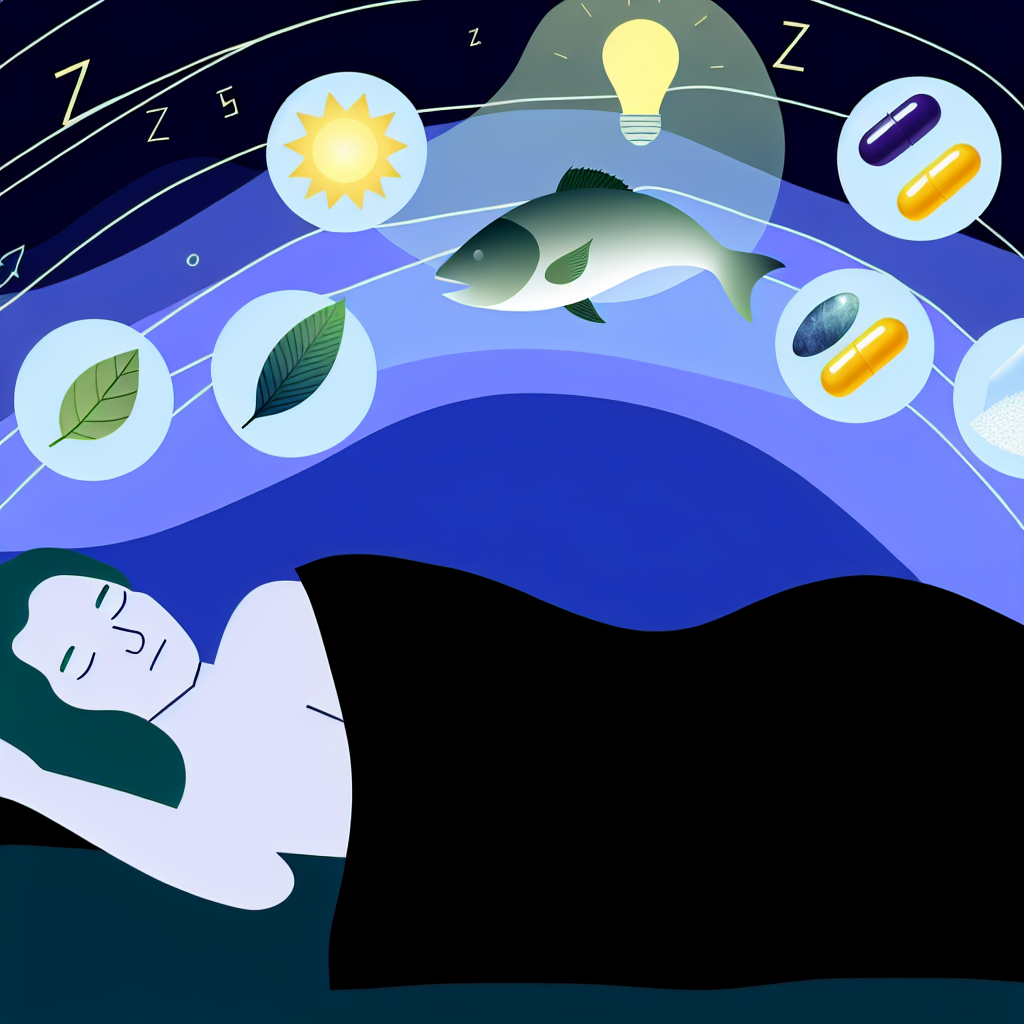
In response to these challenges, targeted focus supplements offer promising relief. Natural supplements formulated with adaptogens, nootropics, vitamins, and amino acids aim to support neurotransmitter balance and align the circadian clock. When combined with behavioral strategies (e.g., consistent sleep routines, screen-time limitations, and cognitive-behavioral therapy), they create a comprehensive and effective sleep support plan.
This article explores how focused supplementation can assist in harmonizing the circadian rhythm in individuals with ADHD. We will examine the science, discuss beneficial ingredients, and present recent clinical studies. Whether your goal is to initiate sleep more efficiently, stay asleep longer, or experience better daytime functionality, this strategy offers insight into enhancing sleep health for people managing ADHD.
Features and Research-Based Findings
The link between ADHD and circadian misalignment is widely established. One prevalent issue is the delay in melatonin release among individuals with ADHD, which can significantly impact their ability to fall asleep. A study published by the Journal of Clinical Sleep Medicine found that melatonin onset in adolescents with ADHD was substantially delayed compared to those without the condition. This delay contributes directly to insomnia and reduced sleep quality.
To combat these issues, several clinically studied supplements have shown notable benefits in supporting both sleep and mental focus:
L-Theanine
Derived from green tea, L-theanine is an amino acid known for promoting relaxation without causing sedation. A placebo-controlled trial published in Alternative Medicine Review demonstrated that L-theanine improved sleep quality and reduced sleep latency in children with ADHD. L-theanine may also reduce anxiety and improve focus during the day, making it a versatile tool for ADHD management.
Magnesium Glycinate
Magnesium plays a key role in nerve transmission and muscle relaxation. Its glycinate form is particularly effective for calming the nervous system. According to a study in Neuropharmacology, magnesium improves sleep efficiency in individuals facing insomnia, especially when it’s rooted in anxiety or emotional dysregulation—both commonly seen in ADHD.
Omega-3 Fatty Acids
Vital for brain health and neurotransmission, omega-3 fatty acids help regulate dopamine function and circadian gene expression. In a study published by Pediatrics, children supplemented with omega-3s fell asleep faster and exhibited decreased hyperactivity. These findings suggest omega-3s are beneficial as both a cognitive enhancer and sleep aid.
Vitamin B6 and Zinc
These nutrients are essential for the synthesis of dopamine and serotonin, two neurotransmitters heavily implicated in attention control and mood regulation. A clinical trial published in Progress in Neuro-Psychopharmacology & Biological Psychiatry found that children with ADHD who received vitamin B6 and zinc had reduced behavioral issues and improved sleep latency. These compounds fortify both sleep quality and mental stability.
Supplementing these nutrients also strengthens the body’s natural melatonin pathways, providing a foundation for consistent, healthy sleep-wake cycles.
Conclusion
Effective management of ADHD-related sleep disturbances requires more than just routine—it relies on supporting and stabilizing the body’s internal clock. Circadian regulation is emerging as a cornerstone intervention for improving not just sleep, but also attention, mood, and behavioral control in individuals with ADHD.
Integrative strategies involving L-theanine, magnesium, omega-3s, and vitamin B6 offer safe, evidence-based options for naturally harmonizing circadian rhythms. These supplements support neurotransmitter function and brain chemistry involved in sleep initiation and maintenance.
While pharmaceutical interventions can be effective, they aren’t ideal for everyone due to side effects or limited long-term efficacy. In contrast, natural focus supplements—used within a well-rounded regimen—can enhance sleep health, daily energy levels, and overall mental clarity in those affected by ADHD.
Parents, caregivers, and healthcare providers now have access to a growing array of functional, non-pharmaceutical solutions. With guidance from medical professionals, these natural approaches can provide a smoother pathway to restful nights—and more productive days.
Concise Summary
Individuals with ADHD commonly experience disrupted sleep due to circadian misalignment. Focused supplementation with natural compounds like L-theanine, magnesium glycinate, omega-3 fatty acids, and vitamin B6 supports neurotransmitter balance and improves sleep quality. These strategies help regulate the internal body clock, contributing to better sleep, focus, and daytime function in both children and adults with ADHD. Clinical studies underscore the benefits of these supplements when used alongside lifestyle therapies, making them valuable tools in managing ADHD-related sleep challenges in a safe, non-pharmaceutical way.
References
1. Journal of Clinical Sleep Medicine – Melatonin secretion and ADHD
2. Alternative Medicine Review – L-theanine and sleep quality
3. Neuropharmacology – Magnesium and sleep/anxiety relationships
4. Pediatrics, 2012 – Omega-3 fatty acids impact on sleep
5. Progress in Neuro-Psychopharmacology & Biological Psychiatry – Vitamin B6/Zinc in ADHD treatment

Dominic E. is a passionate filmmaker navigating the exciting intersection of art and science. By day, he delves into the complexities of the human body as a full-time medical writer, meticulously translating intricate medical concepts into accessible and engaging narratives. By night, he explores the boundless realm of cinematic storytelling, crafting narratives that evoke emotion and challenge perspectives.
Film Student and Full-time Medical Writer for ContentVendor.com