Bruxism and Sleep Architecture – A Comprehensive Approach Beyond Basic Night Guards
Introduction
Sleep plays a fundamental role in maintaining optimal health, aiding cognitive performance, immune function, emotional regulation, and cellular repair. Unfortunately, a host of **sleep-disruptive conditions** challenge restorative rest. One such condition, often underestimated yet clinically significant, is bruxism — the involuntary or habitual grinding or clenching of the teeth, usually during sleep.
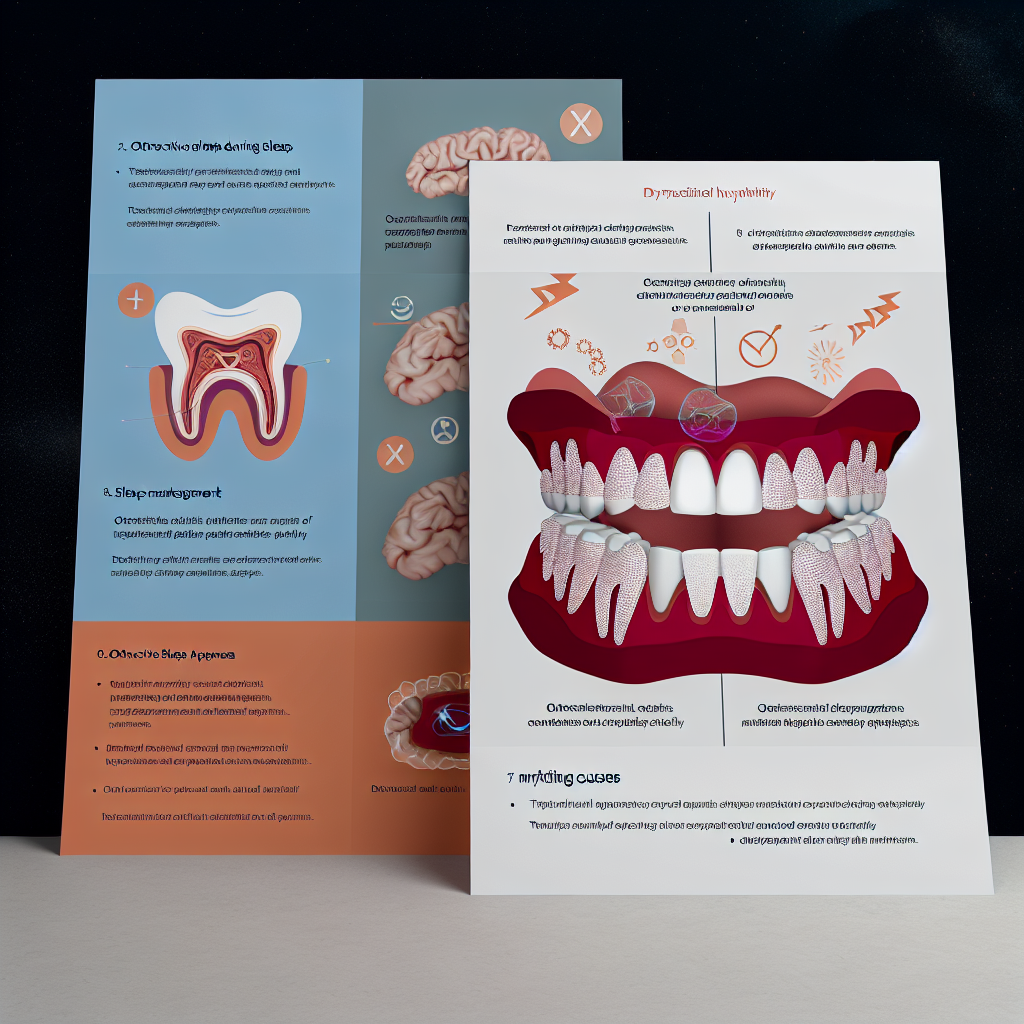
**Sleep bruxism (SB)** is recognized as a movement-related sleep disorder by the International Classification of Sleep Disorders (ICSD-3). Affecting approximately 8% to 15% of the population, it may occur silently, without symptoms initially. Over time, however, it can result in significant **dental damage**, temporomandibular joint disorders (TMJ), headaches, and fragmented sleep patterns.
Though night guards remain a common protective measure, evolving research suggests that managing bruxism—especially its impact on sleep architecture—requires a more integrated and multidisciplinary approach.
Sleep architecture refers to the pattern of sleep stages cycling throughout the night, including non-REM (stages 1 to 3) and REM (Rapid Eye Movement) sleep. Each stage serves unique functions—from deep tissue repair in non-REM sleep to emotional processing during REM sleep. Recent data suggest that bruxism episodes often correlate with micro-arousals, brief awakenings that interrupt deeper stages of rest. Frequently occurring in lighter stages (N1 and N2), these episodes can disrupt sleep continuity, reducing overall sleep quality.
The root causes of bruxism appear to be multifactorial—combining genetic, neurological, psychological, and pharmacological influences. Mental stress, anxiety, and sleep disorders like obstructive sleep apnea (OSA) show a strong correlation with sleep bruxism, further linking it to deteriorated sleep health.
Rather than viewing sleep bruxism strictly as a dental issue, a more enlightened perspective considers its ties to the nervous system, neurotransmitter imbalances, and disrupted sleep architecture. Addressing these far-reaching effects calls for a more robust treatment model that embraces modern sleep medicine.
This article explores how bruxism affects sleep architecture, reveals recent advancements, and promotes an integrative treatment model grounded in evidence-based, functional medicine.
Professional Studies and Research Insights on Bruxism and Sleep Architecture
Recent scientific investigations are reshaping how clinicians view sleep bruxism, moving it from a behavioral or dental category into a neurological and sleep-focused domain.
A prominent study published in the Journal of Clinical Sleep Medicine (2013) found that most bruxism episodes occur just after micro-arousals and are linked with sympathetic nervous system activation. Using polysomnography (PSG), researchers tracked patients’ brainwaves, heart rate changes, and muscle activity, observing that bruxism typically occurred during light sleep stages (N1 and N2). In contrast, episodes were rare during deep (N3) and REM sleep. This strongly supports the view that arousal mechanisms are involved in bruxism onset.
Preceding these episodes, spikes in heart rate variability (HRV) were recorded. This physiological change supports a theory involving dopaminergic dysregulation. As pointed out by Lavigne et al., irregular dopamine activity during sleep may impair motor inhibition, contributing to bruxism activity.
Another dimension involves the frequent overlap between bruxism and obstructive sleep apnea (OSA). A 2019 systematic review in Sleep and Breathing identified a significant correlation between the two. One hypothesis suggests that bruxism may be a subconscious arousal response to partially obstructed airways—a kind of protective reflex to open the airway.
Further reinforcing this systemic view, a 2020 literature review in Frontiers in Neurology places bruxism alongside other disorders arising from central nervous system hyperactivity, such as insomnia, restless legs syndrome (RLS), and periodic limb movement disorder (PLMD). All of these are known to increase the sleep arousal index—the number of hourly disruptions throughout the night—significantly impairing restorative sleep.
Effective Management: A Shift Toward Multidisciplinary Treatment
The evidence strongly supports adopting a **multidisciplinary approach** in treating bruxism. Dentists, sleep specialists, neurologists, and mental health professionals must collaborate to design personalized interventions.
Behavior-based therapies are central. Cognitive Behavioral Therapy (CBT), stress management, and mindful sleep hygiene practices have shown considerable utility in reducing bruxism frequency and severity. Addressing co-existing disorders like OSA continues to be a vital strategy, often involving **CPAP therapy**, positional therapy, or surgery.
Emerging solutions include biofeedback devices, which provide real-time data to help users control muscle tension during sleep. **Botulinum toxin injections (Botox)** have also received attention for their ability to reduce muscular overactivity in the jaw. However, they are symptomatic treatments and should be used to supplement comprehensive care plans targeting the roots of the problem.
While occlusal night guards protect enamel and reduce mechanical force on teeth, they do not address the underlying neurological pathways or disrupted sleep architecture. Thus, they are best utilized in conjunction with broader therapeutic strategies—not as a standalone solution.
Conclusion
**Bruxism** is more than teeth grinding—it’s a reflection and contributor to underlying sleep disruption, potential neurochemical imbalance, and systemic stress. Its close ties to micro-arousals and central nervous system hyperactivity demand a wider lens—one that encompasses not only dentistry but sleep medicine, behavioral science, and neurological care.
A **root-cause approach**, founded on restorative sleep and nervous system balance, is essential for effective long-term management. By embracing this integrative treatment model, both clinicians and patients can move beyond superficial fixes toward meaningful healing and improved **sleep quality**.
As sleep science progresses, we gain valuable tools and insights to refine how we perceive and treat bruxism—not as an isolated phenomenon, but as an important indicator of systemic imbalance deserving comprehensive care.
Concise Summary
Sleep bruxism, often misinterpreted as solely a dental issue, significantly disrupts sleep architecture by triggering micro-arousals during lighter sleep stages. Research links it to autonomic nervous system activity, dopaminergic imbalances, and related conditions such as obstructive sleep apnea. Protective night guards offer mechanical defense but fail to address root causes. Effective treatment must integrate dental care with sleep medicine, utilizing strategies like cognitive behavioral therapy, biofeedback, and collaboration among dentists, neurologists, and sleep specialists. This holistic approach improves not just bruxism, but overall sleep quality and long-term health.
References

Dominic E. is a passionate filmmaker navigating the exciting intersection of art and science. By day, he delves into the complexities of the human body as a full-time medical writer, meticulously translating intricate medical concepts into accessible and engaging narratives. By night, he explores the boundless realm of cinematic storytelling, crafting narratives that evoke emotion and challenge perspectives.
Film Student and Full-time Medical Writer for ContentVendor.com