Caffeine Sensitivity Genetic Testing – Personalized Timing Based on CYP1A2 Metabolism
Introduction
For many people, caffeine is an essential part of daily life—found in coffee, tea, chocolate, and even some medications. It helps enhance alertness and reduce fatigue. However, people respond to caffeine very differently. While some can drink espresso in the evening and sleep peacefully, others experience insomnia from even a single morning cup. This isn’t random—it’s largely genetic.
One of the most important genes responsible is CYP1A2, which encodes a liver enzyme that breaks down caffeine. Variations in this gene affect how quickly caffeine is metabolized and influence how long it lingers in the system.
Thanks to advances in genetic research, we now have access to caffeine sensitivity genetic testing that tells people how their body processes caffeine. This allows for personalized caffeine intake strategies, helping individuals enjoy caffeine’s benefits while minimizing its impact on sleep quality.
Unlike generic advice to avoid caffeine after 2 PM, gene-based recommendations provide more precise guidance—enabling users to align caffeine intake with their unique metabolism and circadian biology.
Features and Scientific Basis
Caffeine metabolism primarily takes place in the liver, where it is broken down by enzymes like CYP1A2. Research shows that about 95% of caffeine metabolism is managed by this enzyme. The amount and speed of its activity are determined by genetic variations, making it a key factor in how individuals respond to caffeine.
There are two main categories:
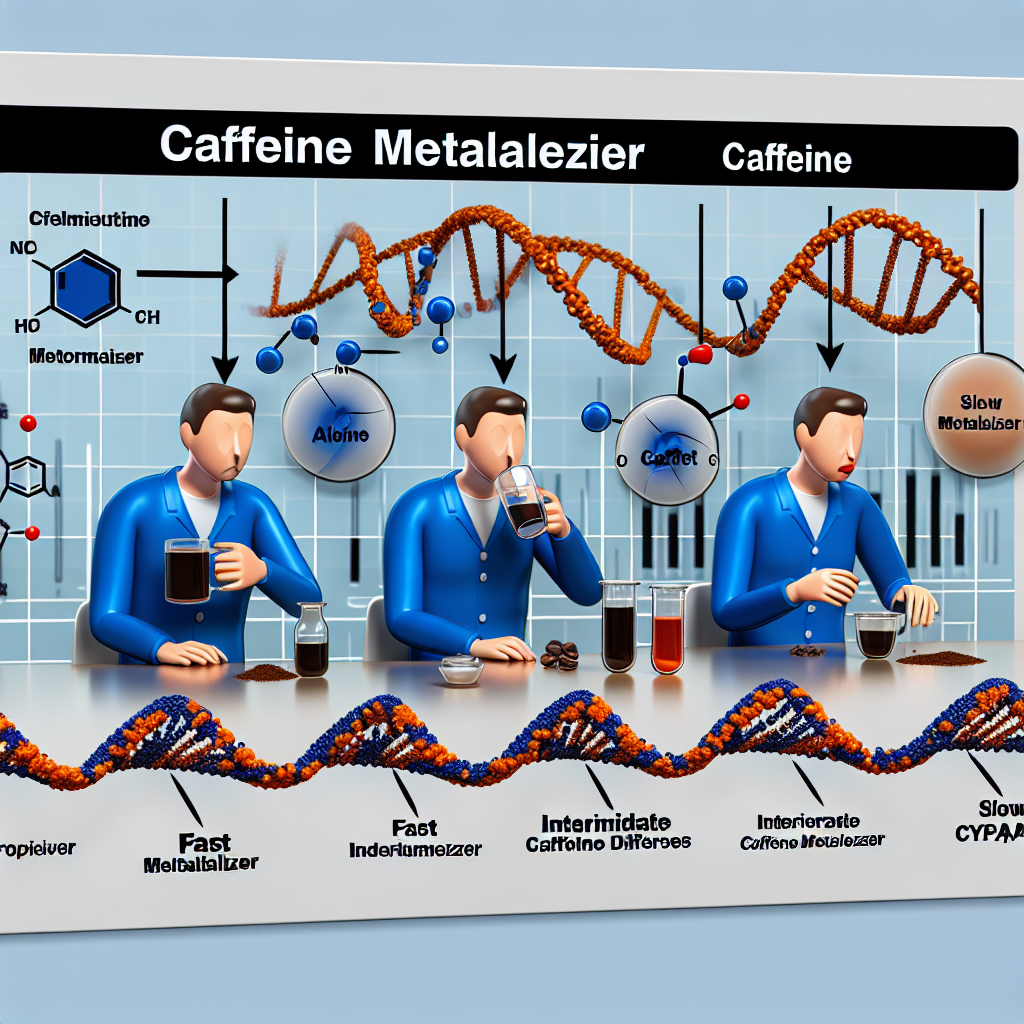
– Fast metabolizers: Break down caffeine quickly. They usually experience its stimulating effects for a shorter time (about 3–6 hours) and often don’t have trouble sleeping, even with afternoon coffee.
– Slow metabolizers: Break down caffeine slowly. It can stay active in their system for 8–10 hours or more, increasing the risk of sleep disruption.
The most commonly studied genetic variation is rs762551, also known as -163C>A. People can carry one of the following genotypes for this polymorphism:
– AA (Fast Metabolizers): These individuals metabolize caffeine efficiently and are less likely to suffer from sleep disturbances or cardiovascular risks associated with caffeine.
– AC (Intermediate Metabolizers): They fall somewhere in the middle and may experience moderate effects depending on other lifestyle factors.
– CC (Slow Metabolizers): Caffeine stays in the system longer. These individuals are more susceptible to sleep disturbances and have higher sensitivity to caffeine’s physiological effects.
Scientific research supports the relevance of this gene:
– A landmark study in the journal Sleep found that slow metabolizers reported greater sleep disturbances following late-day caffeine intake when compared to fast metabolizers.
– Another key study from the American Journal of Clinical Nutrition highlighted how the CYP1A2 genotype modifies the relationship between caffeine consumption, sleep latency, and total sleep time.
– Furthermore, a study in JAMA showed that slow caffeine metabolizers might be at an increased risk of myocardial infarction from heavy coffee consumption, linking metabolism speed not only with sleep but broader health concerns.
Today’s genetic testing is accessible via platforms like 23andMe and MyToolbox Genomics, which offer personalized reports based on CYP1A2 analysis. These reports often include recommended cut-off times for caffeine consumption. For example, a slow metabolizer may be advised to stop consuming caffeine by 10 AM, while a fast metabolizer might safely consume it until 4 or 5 PM.
By using this information, individuals can still reap caffeine’s focus-boosting effects while reducing their risk of sleep disturbances, anxiety, and long sleep onset latency. This is especially valuable for people balancing high mental demands with the need for high-quality restorative sleep—such as students, shift workers, and professionals.
Practical Application and Benefits
The biggest advantage of understanding your CYP1A2 genotype is the ability to make precise, effective changes without having to give up caffeine entirely. By tailoring caffeine intake to genetic metabolism, individuals can experience an ideal balance between energy during the day and restful sleep at night.
This approach also helps proactively address common sleep issues such as:
– Insomnia
– Difficulty falling asleep
– Restless or light sleep
– Waking up unrefreshed
Understanding your genes also provides long-term benefits by assisting in lifestyle planning. For example:
– Athletes may optimize caffeine timing for performance without disturbing recovery sleep.
– Professionals who work late or cross time zones can protect their sleep cycles.
– Older adults, who are more vulnerable to sleep disruption, can make informed morning caffeine choices.
Genetic-based timing extends beyond caffeine—it’s a core component of advancing personalized health by aligning daily behaviors with biological rhythms.
Conclusion
Caffeine sensitivity genetic testing offers a science-backed, personalized approach to optimizing caffeine consumption. By identifying whether you’re a fast, intermediate, or slow metabolizer through the analysis of the CYP1A2 gene, you can time your caffeine intake to support your body’s natural rhythms.
This strategic approach is especially beneficial for those who unknowingly suffer from poor sleep quality due to their caffeine habits. Whether you’re adjusting your “caffeine curfew” or simply learning about how your body works better, incorporating genetic testing empowers smarter choices for energy management and restorative sleep.
As we continue to advance toward preventative, personalized medicine, understanding your genetic caffeine metabolism could be the missing piece in your sleep and wellness puzzle.
References
– Cornelis, M. C., El-Sohemy, A., & Campos, H. (2007). Genetic polymorphism of CYP1A2 increases the risk of myocardial infarction. JAMA
– Reid, K. J., et al. (2013). Timing of caffeine consumption and effects on sleep. Sleep
– Coffee consumption and CYP1A2 genotype: Gene-environment interaction. American Journal of Clinical Nutrition
– National Center for Biotechnology Information: CYP1A2 Gene Overview
– 23andMe Caffeine Metabolism Report
Concise Summary
Caffeine affects individuals differently, primarily due to genetic differences in the CYP1A2 gene, which determines how fast the body metabolizes caffeine. Genetic caffeine sensitivity testing reveals whether you’re a fast, intermediate, or slow metabolizer—and helps optimize caffeine timing to enhance energy and protect sleep quality. Fast metabolizers process caffeine in a few hours, while slow metabolizers retain it longer, causing potential sleep disturbances. Platforms like 23andMe provide actionable data for developing personalized caffeine cut-off times. This approach improves alertness during the day without compromising restful sleep—perfect for anyone aiming to balance modern productivity with long-term health.

Dominic E. is a passionate filmmaker navigating the exciting intersection of art and science. By day, he delves into the complexities of the human body as a full-time medical writer, meticulously translating intricate medical concepts into accessible and engaging narratives. By night, he explores the boundless realm of cinematic storytelling, crafting narratives that evoke emotion and challenge perspectives.
Film Student and Full-time Medical Writer for ContentVendor.com