Future Sleep Tech – Neural Feedback Pillow Development Preview
Introduction
Sleep is no longer viewed as a luxury; it’s a biological necessity central to the overall well-being of children, adults, and the elderly. In recent years, sleep science has taken monumental strides, driven by advances in technology and neuroscience research. One of the most exciting frontiers in this field is neural feedback—the gathering and use of real-time brain data to improve function and wellbeing.
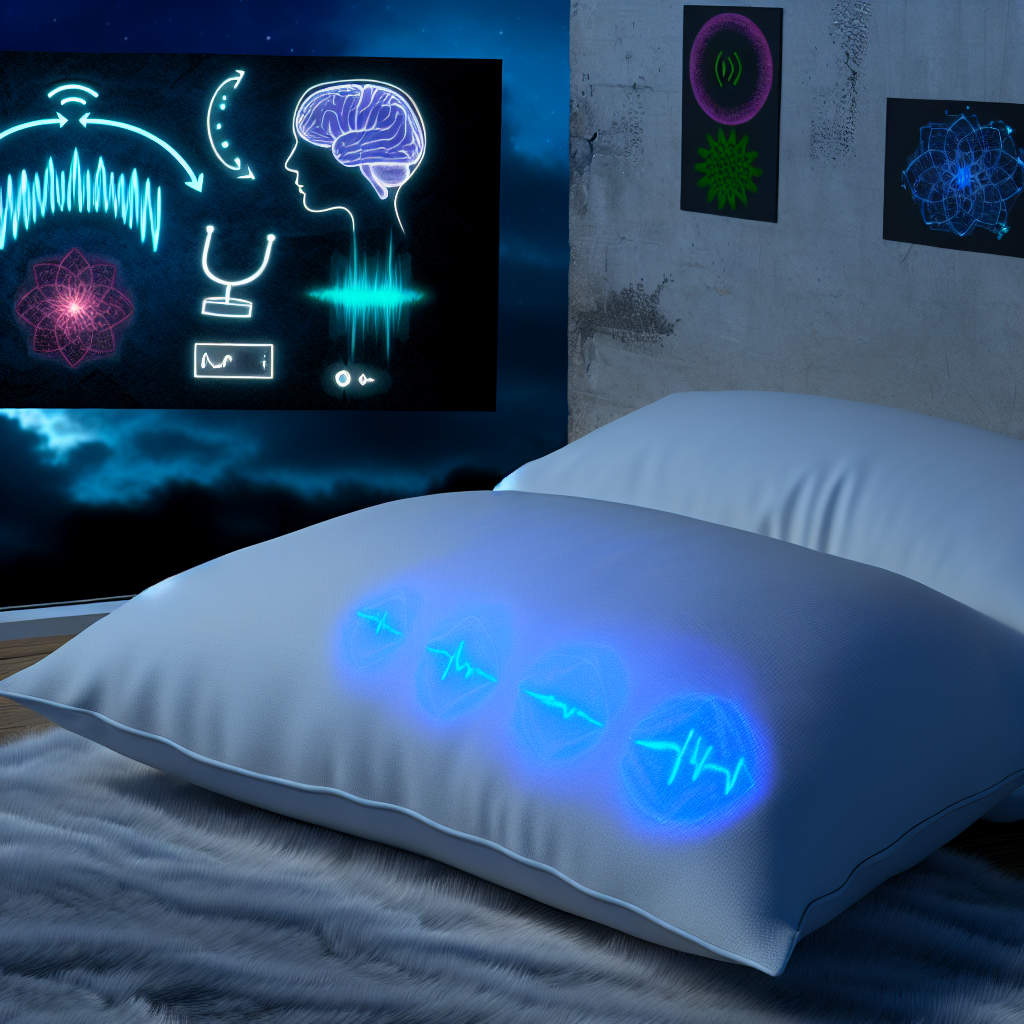
As this technology evolves, it is now being integrated into unexpected platforms—including pillows. The neural feedback pillow is a breakthrough development in the future of sleep tech. This innovative device goes far beyond providing physical comfort. It is equipped with advanced sensors and neurotechnology that measure brainwave activity across different sleep cycles. Through real-time monitoring and adaptive feedback, the pillow aims to support and even enhance the brain’s journey through essential sleep stages, potentially improving both the quality and length of sleep.
The core idea is simple but revolutionary: if we can better understand what the brain is doing during rest—and interact with those processes—we can guide the brain toward better sleep outcomes. You could achieve longer REM cycles, reduce nighttime awakenings, and wake up feeling more restored. Whether you’re a student pulling long study hours, a busy parent, a professional, or an older adult facing disrupted sleep, this advanced pillow could offer a dramatic shift in sleep health.
The need is clear. A global sleep deficit is on the rise. According to the CDC, one in three adults in the U.S. does not get the recommended seven hours of sleep per night. Children, teens, and seniors face similar challenges. Conditions such as insomnia, sleep apnea, and circadian rhythm disorders are exacerbated by stress, poor habits, and constant screen exposure. In response, scientists and engineers are working together to create technologies that go beyond passive tracking to actively improve sleep using personalized neural feedback. This preview explores how neural feedback pillows may shape the future of intelligent sleep support.
Features and Supporting Studies
At its core, the neural feedback pillow integrates several cutting-edge components: embedded EEG sensors, precision biometric processing units, and real-time audio or vibrational responses. These components work together non-invasively to continuously analyze your sleep stages and deliver micro-interventions as needed.
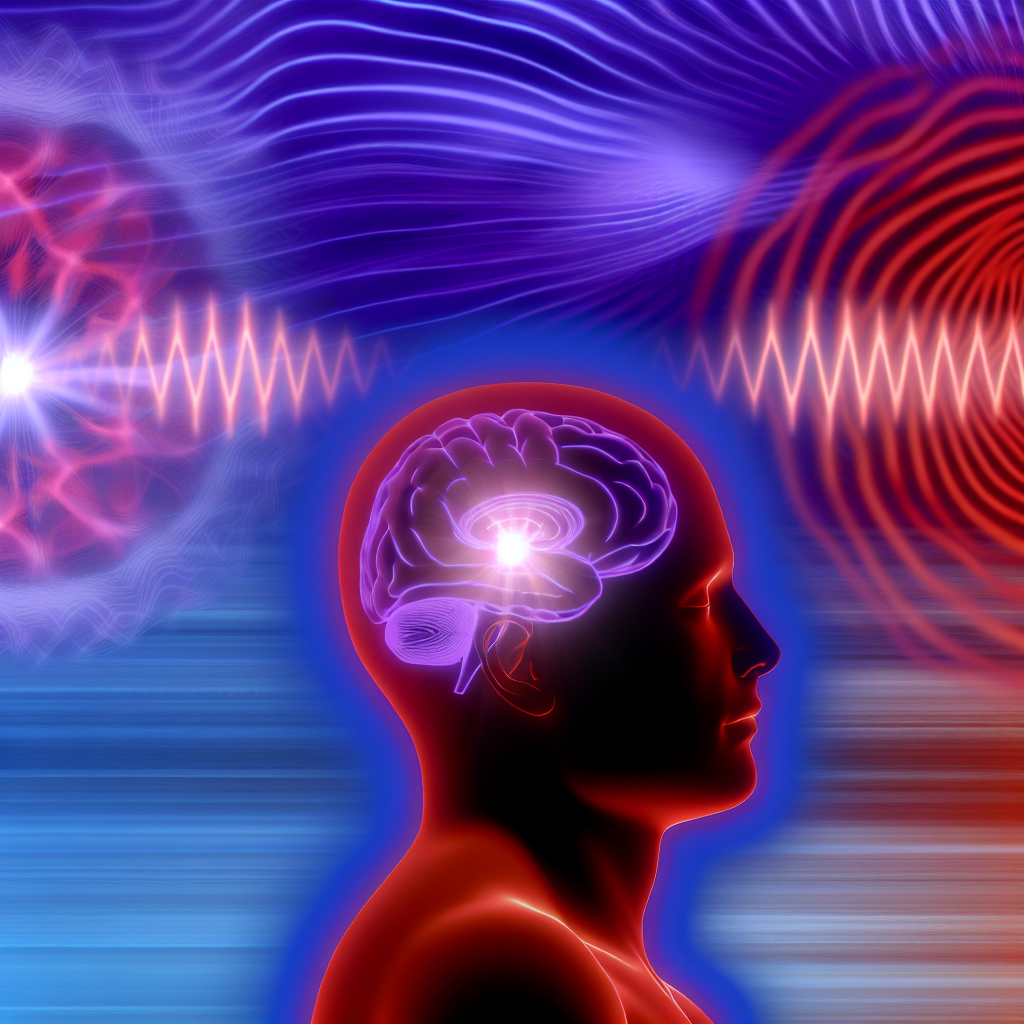
EEG (electroencephalography) sensors placed inside the pillow measure brain activity along the scalp. This allows the pillow to determine when you’re in light sleep (N1, N2), deep sleep (N3), or REM sleep. Each of these stages contributes to crucial functions like memory consolidation, cognitive health, and emotional regulation.
By analyzing patterns in real time, the pillow’s AI-driven software can detect disruptions, such as anxiety-related beta waves or sudden micro-awakenings. In response, the pillow emits gentle sound frequencies or soothing vibrations—customized to steer brain activity back toward healthy theta or delta waves, thereby sustaining or improving the depth of sleep.
This feedback method stems from clinical neurofeedback therapy, already proven effective in treating conditions like ADHD, insomnia, and anxiety.
Scientific studies support the concept. A 2020 study from Nature Neuroscience found that auditory stimulation delivered during slow-wave sleep could enhance memory consolidation. This proves the feasibility of using brainwave-synchronized sound cues to influence sleep outcomes.
Additionally, research into Closed-Loop Auditory Stimulation (CLAS) shows how synchronized cues can improve slow oscillations during sleep. A 2013 study by Ngo et al. published in Sleep demonstrated memory boosts and deeper sleep using customized auditory inputs. Neural feedback pillows can incorporate such cues in real-time by responding dynamically to EEG input.
This technology holds transformative potential, particularly for the elderly. As individuals age, they experience a natural reduction in deep and REM sleep phases, linked to memory decline and decreased energy. A 2021 review in Frontiers in Neuroscience emphasized the benefits of personalized neurotechnology in helping older adults re-train their brains for deeper sleep phases, potentially improving quality of life.
Though still in development stages, health-focused tech companies like Dreem, Philips, and Withings are already paving the way with wearable sleep-tracking devices employing similar feedback loops. This shows a robust pipeline of innovation that will accelerate the arrival of the neural feedback pillow in the consumer market.
Developers and researchers are also focused on ensuring safety, comfort, and clinically validated performance. A connected smartphone app is likely to accompany the pillow, letting users and healthcare providers review nightly data, monitor sleep health trends over time, and make evidence-driven decisions to improve rest.
Conclusion
The neural feedback pillow represents a major evolution in how we think about sleep technology. Rather than simply logging sleep metrics, these devices act as interactive tools that engage with your brain’s signals to promote deeper, more restorative sleep stages. In a time when restful sleep is more elusive than ever, this fusion of machine learning, neuroscience, and ergonomics could become a game-changer in sleep health.
Future versions could fine-tune their response to different age groups and sleep conditions. For instance, children may benefit from more deep sleep to support growth, while seniors may use it to support cognitive preservation. As neural sleep aids evolve, we may find ourselves in a new era—one where technology doesn’t just monitor sleep, but improves it from the inside out.
Ultimately, neural feedback pillows may be just the beginning. They could spearhead a new generation of brain-based sleep optimization tools designed to help humanity recharge more effectively—one carefully measured brainwave at a time.
Concise Summary
The neural feedback pillow is an upcoming sleep-boosting innovation using EEG sensors, AI analysis, and feedback stimuli like sound or vibration to enhance sleep quality. Unlike traditional sleep monitors, this smart pillow interacts with your brainwaves in real-time to promote deeper and more restorative sleep. Backed by research in neurofeedback, auditory stimulation, and aging neuroscience, it offers customized support for sleepers of all ages. With applications for insomnia, age-related sleep decline, and cognitive improvement, this technology could redefine how we achieve healthy rest in a tech-driven world.
References
1. CDC. (2022). 1 in 3 Adults Don’t Get Enough Sleep.

Dominic E. is a passionate filmmaker navigating the exciting intersection of art and science. By day, he delves into the complexities of the human body as a full-time medical writer, meticulously translating intricate medical concepts into accessible and engaging narratives. By night, he explores the boundless realm of cinematic storytelling, crafting narratives that evoke emotion and challenge perspectives.
Film Student and Full-time Medical Writer for ContentVendor.com