Hormonal Flux Sleep Support – A Temperature and Supplement Guide for Perimenopause and Andropause
Introduction: Understanding Sleep Struggles in Midlife Hormonal Changes
Sleep is a cornerstone of overall health, yet for many, restful sleep becomes elusive during significant hormonal transitions such as perimenopause and andropause. As people age, changes in hormone production—especially of estrogen, progesterone, and testosterone—introduce new challenges to sleep quality. These life stages often begin in the 40s or 50s, although individual timing varies.
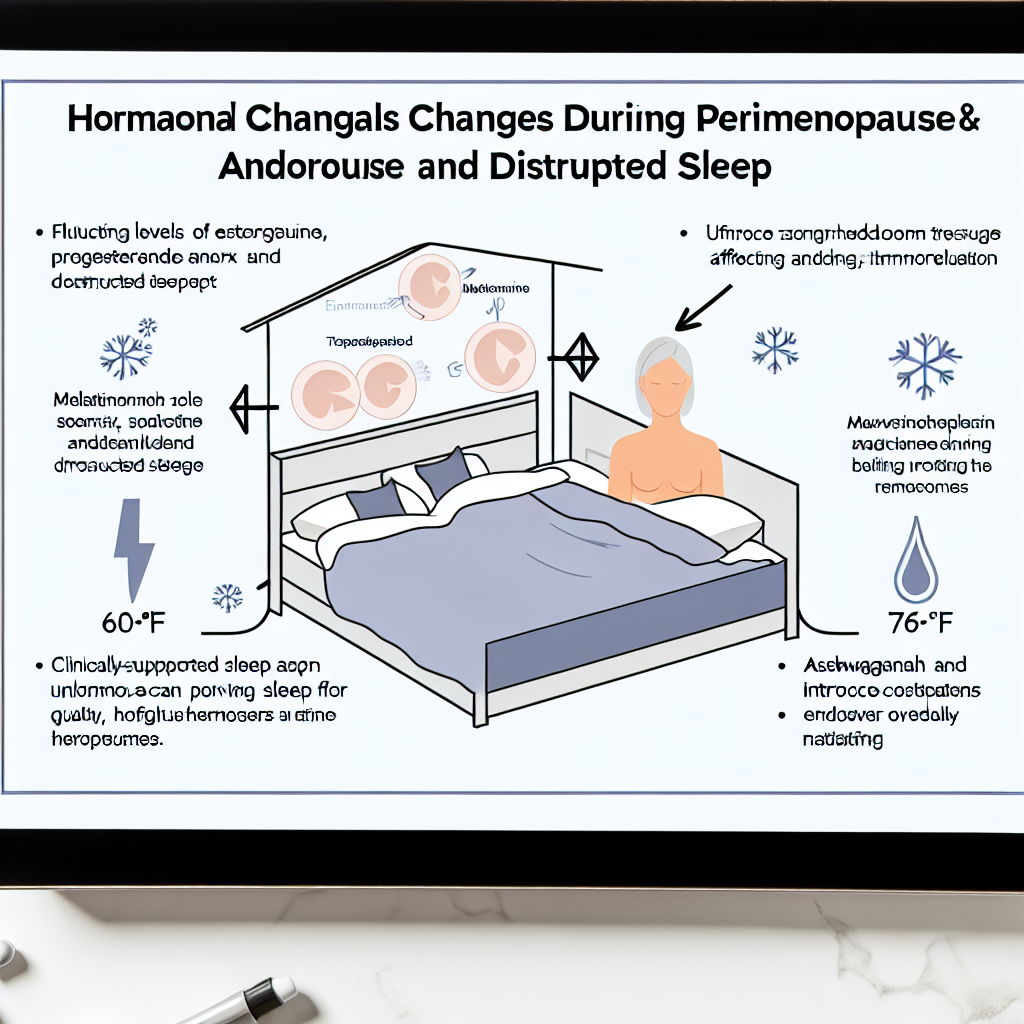
Perimenopause, the stage leading to menopause, involves erratic estrogen levels in women. Andropause refers to the gradual decline in testosterone levels in men. Both hormonal transitions uniquely disrupt sleep and present physiological challenges driven by fluctuating hormone levels.
Estrogen and progesterone help regulate sleep quality, body temperature, breathing patterns, and mood. Testosterone contributes to deep sleep, energy restoration, and maintaining stable circadian rhythms. With hormonal decline, common issues such as insomnia, night sweats, hot flashes, and early waking tend to worsen.
Complicating matters, these hormonal changes impact thermoregulation—the body’s internal temperature control during sleep. Even slight temperature variations can disrupt the normal stages of sleep. For instance, perimenopausal women often wake up due to sudden heat surges or chills. Men experiencing andropause may develop reduced sleep efficiency due in part to a decline in testosterone, which affects thermal regulation.
To counter these changes, individuals must consider a combination of lifestyle adjustments, optimized sleep environments, and targeted supplementation. This comprehensive guide provides research-based strategies focusing on three pillars: ideal sleep temperature, hormonal thermoregulatory response, and scientifically supported natural sleep supplements. You will also discover what clinical studies say about midlife sleep disruption and which tools most effectively promote deep, restorative rest.
Clinical Research on Hormonal Changes and Sleep Disruption
The relationship between declining hormones and impaired sleep during midlife is supported by robust scientific evidence.
A 2015 study in the Journal of Clinical Endocrinology & Metabolism revealed that up to 47% of perimenopausal women experience sleep disturbances caused by vasomotor symptoms—notably hot flashes and night sweats. These symptoms arise from fluctuating estrogen, impacting both thermoregulation and serotonin pathways, which are central to initiating and maintaining restful sleep.
A review in Sleep Medicine Reviews emphasized that estrogen and progesterone modulate GABA receptors, instrumental in calming the nervous system and promoting slow-wave sleep. As these hormone levels decline, individuals experience lighter sleep and increased frequency of awakenings, resulting in fatigue and impaired cognitive function.
In men, sleep disturbances due to low testosterone have gained focus. A University of Chicago study (University of Chicago Medical Center) found that reduced testosterone levels are linked to lower sleep efficiency and diminished REM sleep. Additionally, hormone decline has been associated with greater risk of obstructive sleep apnea.
Thermoregulation is another major contributor to sleep disruption. A study featured in the American Journal of Physiology noted that even mild increases in core temperature can reduce slow-wave sleep by up to 25%. Sleep-supportive tools such as cooling mattresses or temperature-adaptive bedding tools may counteract these effects.
On the supplement front, mounting evidence supports the use of specific botanicals and nutrients. Melatonin helps restore circadian rhythms, especially in those over 40, whose natural production wanes. Herbs like ashwagandha, valerian root, and black cohosh have been shown to mitigate hormonal imbalance and encourage quality sleep.
A systematic review published in BMC Complementary Medicine and Therapies confirmed that supplements targeting both hormonal support and nervous system regulation, when combined with lifestyle improvements, enhance sleep quality and reduce nighttime symptoms.
Temperature and Supplementation Guide
Optimize Bedroom Temperature
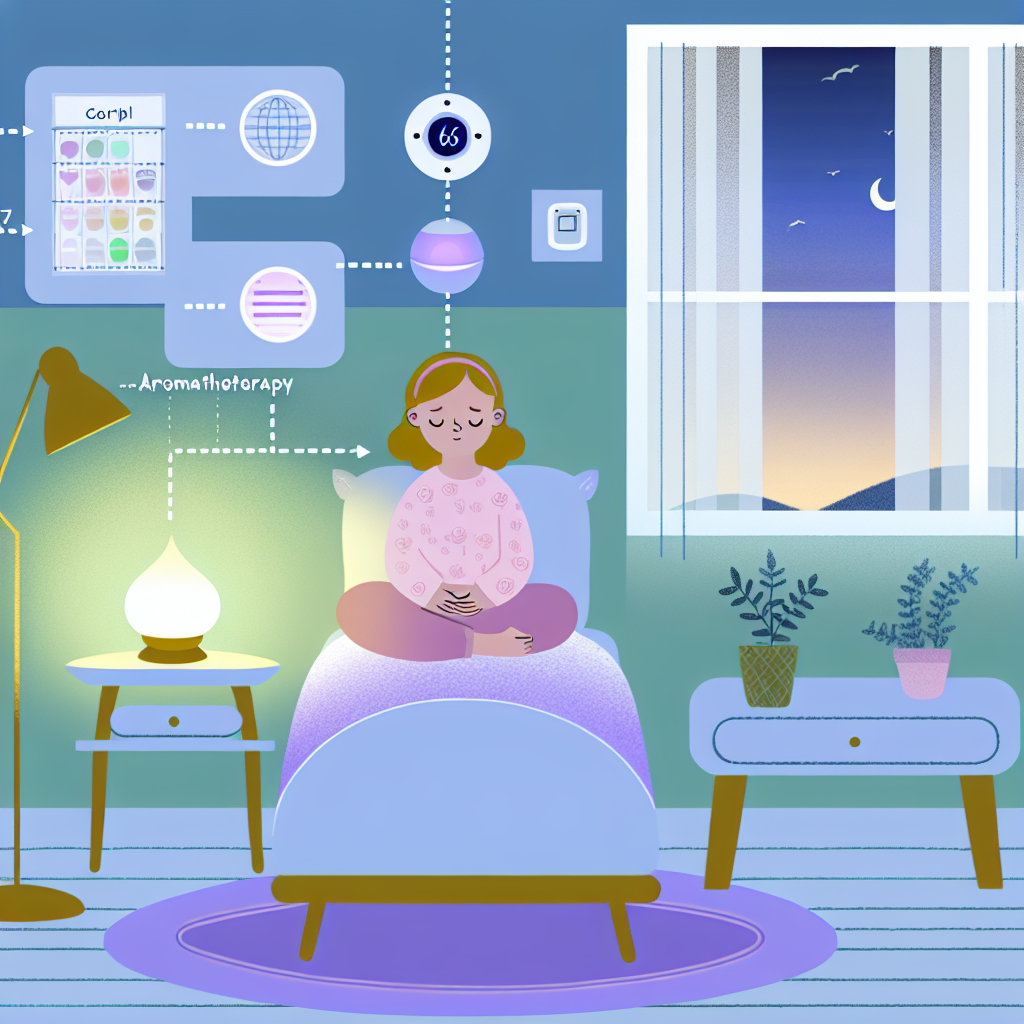
Clinical experts agree that the ideal sleeping temperature averages between 60–67°F (15.5–19.5°C). Lower temperatures are especially beneficial for those battling night sweats or hot flashes. Invest in a fan, cooling blankets, or dynamic temperature systems like ChiliSleep or Eight Sleep to maintain consistent comfort through the night.
Additional tips include:
– Using light, breathable bedding (bamboo or cotton)
– Avoiding heavy fabrics or memory foam pillows that retain heat
– Opening windows before sleep to create natural cooling, if climate allows
Use Temperature-Sensitive Sleepwear
Clothing plays a vital role in maintaining optimal microclimate conditions. Moisture-wicking, adaptive fabrics such as Outlast or Cool-jams have thermal control features that respond to body heat, reducing sweating episodes while keeping the body comfortably cool.
Such clothing is particularly useful for midlife women addressing nighttime temperature surges caused by estrogen withdrawal. In men, thermally adaptive sleepwear can aid in stabilizing disrupted heat regulation caused by low testosterone.
Incorporate Nutritional Support
Here are evidence-backed supplements that may help reset the midlife sleep-wake cycle:
– Melatonin (0.3–1 mg): Re-aligns circadian rhythms and improves sleep onset without lingering drowsiness.
– Magnesium Glycinate: Known for relaxing muscles and enhancing GABA activity, it helps reduce middle-of-the-night awakenings.
– Ashwagandha: An adaptogen that helps reduce cortisol, easing stress-induced insomnia.
– Valerian Root: Often used for improving sleep latency and quality, particularly in women experiencing hormone-related anxiety.
– Black Cohosh: Targets hot flashes and nighttime sweats during perimenopause and menopause.
– L-theanine: Naturally calming and non-drowsy, ideal for individuals who struggle with nighttime rumination or anxiety.
These supplements work best when paired with consistent sleep hygiene practices: a dark, quiet sleep environment, reduced screen time before bed, and consistent wake/sleep cycles.
Conclusion: A Personalized Path to Better Rest
Midlife doesn’t have to mean surrendering to poor sleep. By better understanding how hormonal changes affect the sleep cycle—and addressing those effects through temperature regulation and targeted natural sleep supplements—individuals can reclaim quality, rejuvenating rest.
Tuning the bedroom to a cooler temperature, choosing adaptive sleepwear, and using supplements that encourage both hormonal balance and nervous system relaxation helps turn sleep struggles into success stories. In taking a tailored, proactive approach, people can navigate perimenopause and andropause not with fatigue, but with renewed vitality, balance, and resilience.
Concise Summary
Hormonal shifts during perimenopause and andropause often disrupt sleep through hot flashes, night sweats, and poor thermoregulation. This guide offers a comprehensive strategy to improve midlife sleep by optimizing bedroom temperature, using temperature-adaptive bedding and sleepwear, and incorporating supplements like melatonin, magnesium glycinate, and black cohosh. Clinical studies confirm the effectiveness of these interventions in improving sleep latency, duration, and quality. A personalized, science-backed approach addressing both hormone fluctuations and environmental triggers can restore restful sleep and overall well-being during midlife transitions.
References:
– Journal of Clinical Endocrinology & Metabolism
– Sleep Medicine Reviews
– University of Chicago Medical Center
– American Physiological Society
– BMC Complementary Medicine and Therapies

Dominic E. is a passionate filmmaker navigating the exciting intersection of art and science. By day, he delves into the complexities of the human body as a full-time medical writer, meticulously translating intricate medical concepts into accessible and engaging narratives. By night, he explores the boundless realm of cinematic storytelling, crafting narratives that evoke emotion and challenge perspectives.
Film Student and Full-time Medical Writer for ContentVendor.com