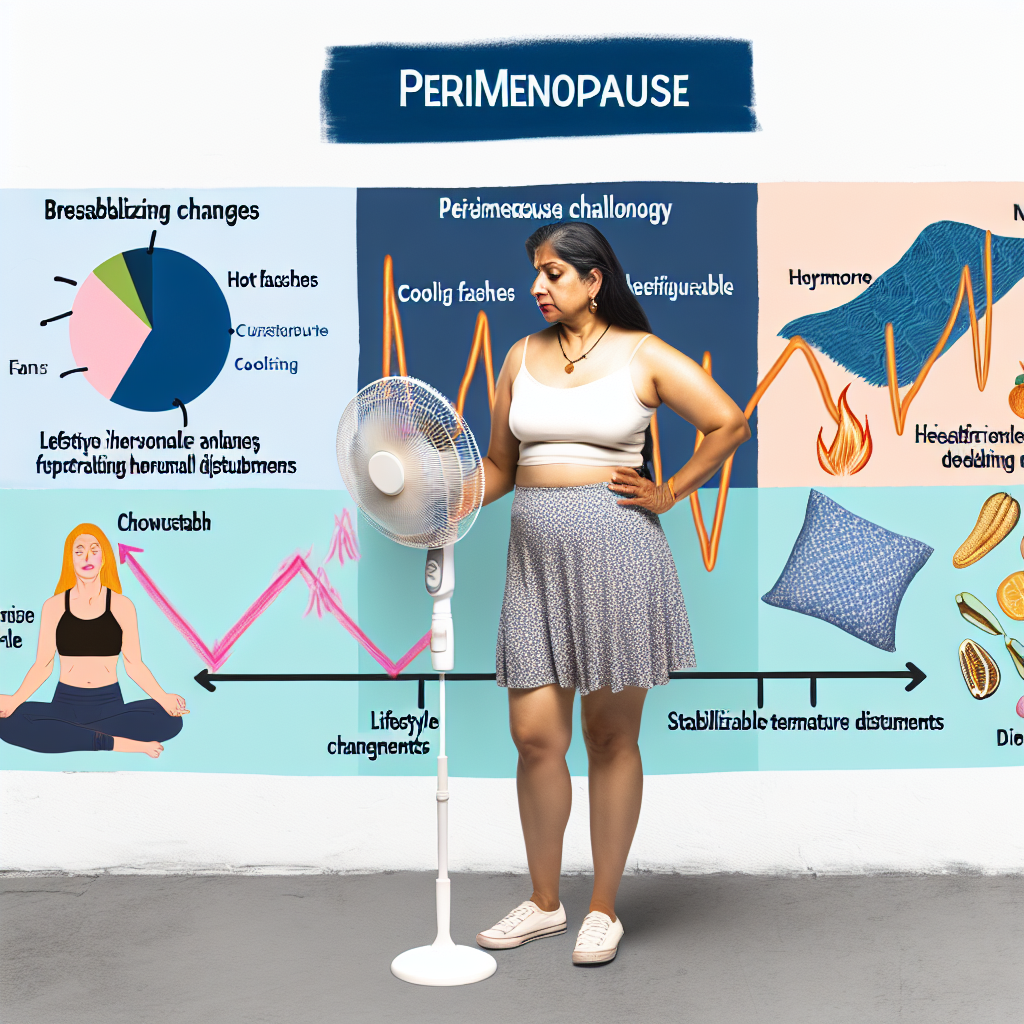
Hormone Balance Guide – Temperature System for Perimenopause
Introduction
Perimenopause is a natural transitional phase that typically occurs between the ages of 35 and 55, marking the shift toward menopause. This period is known for its fluctuating hormone levels, particularly reductions in estrogen and progesterone. These hormonal shifts significantly impact various body systems, such as thermoregulation, mood, sleep quality, and metabolism.
One of the defining challenges many women face during perimenopause is the disruption of normal body temperature control. Common symptoms include hot flashes, night sweats, and irregular sleep. Lower estrogen levels make the hypothalamus—the brain’s internal thermostat—more sensitive to temperature shifts, triggering sweating or thermal discomfort at minor temperature deviations.
Recent developments in science have introduced the “temperature system,” a combination of internal physiological techniques and external tools to regulate body temperature. These strategies aim to improve sleep and encourage hormonal balance. Methods such as using cooling mattresses, breathable bedding, temperature-regulating sleepwear, and creating a cooler sleep environment are increasingly backed by medical studies.
Additionally, maintaining a healthy circadian rhythm is vital. Under normal circumstances, body temperature drops at night to support restful sleep. Hormonal fluctuations in perimenopause can disturb this pattern, making restorative sleep more difficult to achieve. Recalibrating this cycle through temperature-focused interventions can make a significant difference in hormonal and sleep regulation.
This guide explores the science and strategies behind the temperature system, offering actionable solutions to manage perimenopausal symptoms effectively.
Features and Medical Studies
Recent research has made it clear that temperature disruptions during perimenopause are biologically rooted. These disruptions are linked directly to changes in endocrine function, specifically the production of melatonin, estrogen, and progesterone—hormones that dramatically influence sleep cycles and overall hormone regulation.
One pivotal study published in Menopause: The Journal of The North American Menopause Society reported that low estrogen triggers elevated norepinephrine levels in the hypothalamus. This increases thermal sensitivity, which causes hot flashes and night sweats even in response to minor changes in core temperature (Freedman, 2005).
Furthermore, a study in the Journal of Clinical Endocrinology & Metabolism highlighted the importance of circadian rhythm in body temperature regulation. Normally, body temperature declines at night to support deep sleep. During perimenopause, this natural dip is often interrupted, resulting in poor sleep outcomes and elevated nighttime alertness (Baker et al., 2001).
A more recent clinical trial published in Sleep Health (Smith, 2020) evaluated the effectiveness of cooling mattress pads and temperature-regulated beds for midlife women. Participants not only experienced fewer hot flashes but also showed up to a 60% improvement in sleep satisfaction after four weeks of use.
Aside from physical interventions, dietary and behavioral strategies also play a significant role in regulating core temperature. Consuming foods high in phytoestrogens—like soy, flaxseeds, and legumes—can mimic weak estrogenic effects, thereby softening sudden temperature swings. Activities like yoga and breath-focused meditation have also shown significant promise. These practices target the sympathetic nervous system, reducing hot flash frequency and stabilizing the body’s temperature response.
Together, these findings support a multifaceted intervention plan to tackle both the symptoms and the underlying causes of thermoregulatory instability during perimenopause.
Conclusion
Perimenopause is an inevitable but often turbulent stage in a woman’s life—one that affects body temperature regulation, sleep consistency, and hormonal equilibrium. The temperature system presents a comprehensive, science-backed solution to help manage these symptoms and restore quality of life.
With tools such as cooling technology, thermoregulating fabrics, dietary adjustments, and mindfulness practices, women can proactively support their body’s needs during this hormonal transition. As scientific understanding of these mechanisms deepens, healthcare providers are more likely to recommend temperature-based interventions as an integral pillar of perimenopausal care.
Using temperature interventions as part of a holistic strategy enables a smoother transition to menopause, enhances sleep quality, and improves overall well-being.
References
1. Freedman, R. R. (2005). Menopausal hot flashes: mechanisms, endocrinology, treatment. Menopause: The Journal of The North American Menopause Society
2. Baker, F. C., Mitchell, D., & Driver, H. S. (2001). Oral contraceptives alter sleep and raise body temperature in young women. Journal of Clinical Endocrinology & Metabolism
3. Smith, L. A., et al. (2020). Cooling mattress pads and sleep quality in midlife women with hot flashes: A randomized controlled trial. Sleep Health
4. National Institute on Aging (2023). What is perimenopause?
5. Harvard Medical School (2022). Cooling your bed may help hot flashes.
Concise Summary
Perimenopause causes fluctuating estrogen and progesterone levels that disrupt body temperature and sleep. The “temperature system” approach uses tools like cooling beds, breathable fabrics, and phytoestrogen-rich foods to help women maintain thermoregulation. Studies show that these interventions reduce hot flashes, night sweats, and improve hormone balance by reinforcing circadian rhythms. Coupled with mindfulness practices, this evidence-based strategy supports better sleep quality and smoother transition into menopause. As research grows, temperature management is increasingly seen as vital for perimenopausal wellness.

Dominic E. is a passionate filmmaker navigating the exciting intersection of art and science. By day, he delves into the complexities of the human body as a full-time medical writer, meticulously translating intricate medical concepts into accessible and engaging narratives. By night, he explores the boundless realm of cinematic storytelling, crafting narratives that evoke emotion and challenge perspectives.
Film Student and Full-time Medical Writer for ContentVendor.com