How Sleep Apnea Is the Hidden Hand Behind Burnout, Brain Fog, and ADHD Misdiagnosis in Entrepreneurs
Introduction
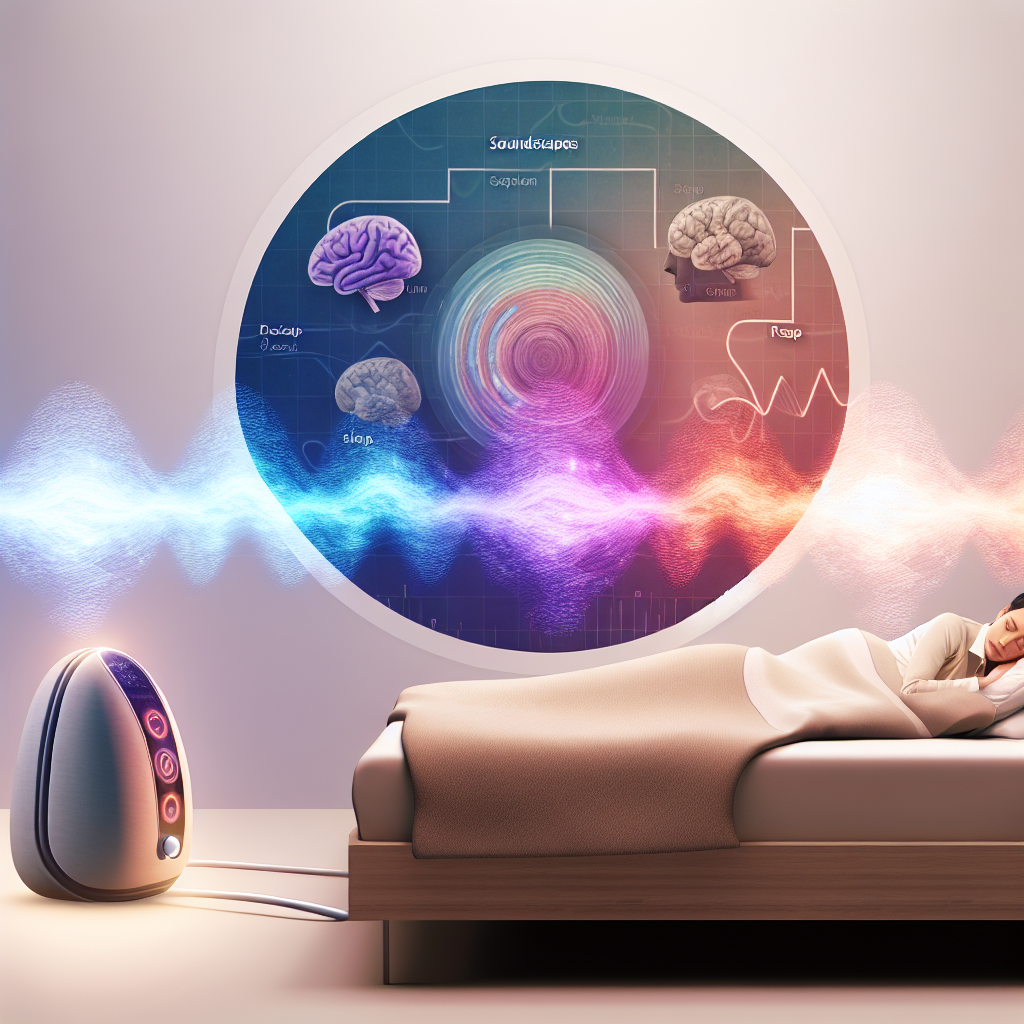
In the high-paced, ever-evolving world of **entrepreneurship**, the battle against **burnout**, **brain fog**, and misdiagnosed **ADHD** is a pervasive struggle many face. Entrepreneurs, who thrive on creativity, drive, and innovation, often find themselves trapped in cycles of exhaustion and confusion that dampen both their productivity and their zest for life. What remains largely unnoticed is the underlying role of **sleep apnea**—a chronic sleep disorder characterized by repeated interruptions in breathing during sleep—in amplifying these issues.
Sleep apnea is often overlooked when discussing the mental and physical health of entrepreneurs. The relentless hustle culture rewards long hours and sleepless nights, yet the repercussions can be catastrophic. Entrepreneurs often push themselves to the brink of exhaustion, mistaking persistent fatigue and cloudy thinking as mere challenges in the fast lane to success. However, these symptoms can be indicative of **obstructive sleep apnea (OSA)**, a condition that, if left untreated, can significantly impair cognitive function and overall well-being.
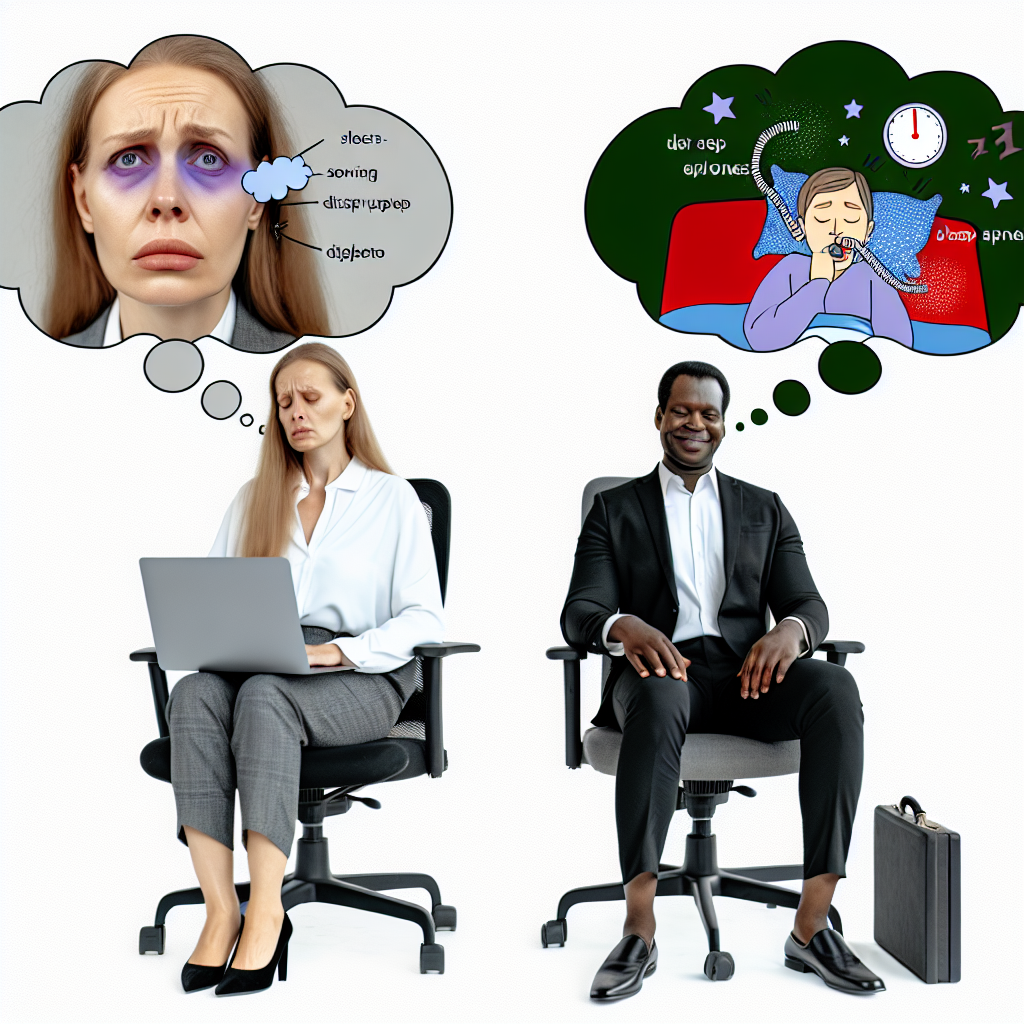
The connection between sleep apnea and burnout is stark. **Sleep deprivation**, a common consequence of untreated sleep apnea, exacerbates stress levels, leading to burnout. The hallmark signs of burnout, such as emotional exhaustion and decreased performance, mirror the cognitive fog associated with disrupted sleep. Furthermore, entrepreneurs experiencing sleep apnea might misinterpret their symptoms as ADHD, leading to treatments that overlook the root cause—subpar sleep quality.
Features
Research increasingly highlights the prevalence and impact of sleep apnea in contexts seemingly unrelated to sleep. A study published in [*Sleep*](https://academic.oup.com/sleep) emphasizes that sleep apnea directly impairs cognitive functions, specifically executive functions and memory, areas crucial for entrepreneurial success. The constant stoppages in breathing reduce oxygen levels in the blood, affecting brain health and leading to symptoms like memory loss and poor decision making.
Another notable study in the [*Journal of Clinical Sleep Medicine*](https://jcsm.aasm.org) reveals that untreated sleep apnea significantly enhances feelings of depression and anxiety. Entrepreneurs facing high-stress levels may find their mental health further compromised by unrecognized sleep disruptions. This is significant as it fuels the cycle of poor sleep and deteriorating mental well-being, making it difficult to differentiate between sleep and attentional disorders.
Furthermore, a report by the [*American Journal of Managed Care*](https://www.ajmc.com) elaborates on how sleep apnea treatments like **CPAP (Continuous Positive Airway Pressure) therapy** have shown marked improvements in reducing symptoms that mimic ADHD. This is pivotal for entrepreneurs misdiagnosed with ADHD, as addressing the correct ailment could lead to substantial recovery and enhanced cognitive clarity.
Conclusion
Sleep apnea lurks quietly behind entrepreneurial frenzy, yet its effects are profound enough to derail productivity and mental wellness. Burnout, brain fog, and ADHD-like symptoms often mask this hidden condition, leading to a cycle of ineffective solutions and persistent struggles. Recognizing and addressing sleep apnea holds the key to unlocking peak performance and creativity, allowing entrepreneurs to fully leverage their potential. Entrepreneurs should consider comprehensive sleep evaluations as part of their healthcare routine. Addressing sleep apnea not only enhances personal health but also paves the way for sustainable success in professional pursuits and personal endeavors. Taking control of sleep health encourages a more balanced and enriched life, counteracting the myth that entrepreneurship must come at the cost of rest.
Summary
Sleep apnea, a hidden factor among entrepreneurs, exacerbates burnout, brain fog, and ADHD misdiagnosis. This condition leads to sleep deprivation, undermining cognitive functions crucial for success. Studies reveal untreated sleep apnea heightens depression and anxiety, while therapies like CPAP can alleviate faux ADHD symptoms. Entrepreneurs should recognize and treat sleep apnea for enhanced cognitive clarity and overall well-being. Comprehensive sleep evaluations are suggested, fostering sustainable success without sacrificing rest.
References
1. [Sleep | Oxford Academic](https://academic.oup.com/sleep)
2. [Journal of Clinical Sleep Medicine](https://jcsm.aasm.org)
3. [American Journal of Managed Care](https://www.ajmc.com)

Dominic E. is a passionate filmmaker navigating the exciting intersection of art and science. By day, he delves into the complexities of the human body as a full-time medical writer, meticulously translating intricate medical concepts into accessible and engaging narratives. By night, he explores the boundless realm of cinematic storytelling, crafting narratives that evoke emotion and challenge perspectives.
Film Student and Full-time Medical Writer for ContentVendor.com