Non-Restorative Sleep Investigation – A Stepwise Guide to Identifying and Addressing Underlying Causes
Introduction
Sleep is the cornerstone of physical and mental well-being—an essential biological requirement that allows both body and mind to repair and recharge. Yet, millions experience a frustrating reality: spending sufficient hours in bed yet waking up feeling exhausted. This is referred to as non-restorative sleep (NRS).
Non-restorative sleep is defined as the subjective experience of unrefreshing sleep, even when sleep duration is normal. Unlike insomnia where individuals struggle to fall or remain asleep, NRS sufferers often sleep 7–9 hours yet awaken fatigued, mentally sluggish, or irritable. Symptoms typically include daytime tiredness, ↓ motivation, mood instability, and reduced cognitive performance.
The rising prevalence of sleep complaints has brought renewed attention to NRS. Left unaddressed, it can impact quality of life, academic and work performance, and exacerbate conditions such as bipolar disorder, fibromyalgia, and chronic fatigue syndrome. Factors like stress, poor lifestyle habits, circadian rhythm disorders, and undiagnosed sleep apnea often go unnoticed yet contribute deeply to NRS.
One key reason NRS often remains undiagnosed is its subjective nature—there’s no single test to identify it. Overcoming this requires a holistic, stepwise medical investigation that considers both physical and psychological components.
Improving sleep quality across age groups—from children who wake up groggy to seniors with co-existing health burdens—necessitates this methodical approach. By recognizing the many contributors to NRS, patients and physicians can work together to reclaim restorative sleep, better mental clarity, and optimal daytime vitality.
Features – Professional and Medical Studies on Non-Restorative Sleep
Medical research has grown significantly in recent decades around non-restorative sleep. According to a study in the journal Sleep, between 20–40% of adults report occasional or chronic NRS, with a higher prevalence in women. This study found a strong association between NRS and mood disorders such as anxiety and depression, suggesting a cyclical relationship: poor sleep depletes mood resilience, and low mood degrades sleep quality.
Polysomnographic studies examining sleep architecture—which covers the various sleep cycles—show that individuals with NRS often have diminished slow-wave sleep (SWS) and irregular transitions between stages. A study cited by the Journal of Clinical Sleep Medicine noted reduced SWS despite normal sleep quantity, which is critically important given that SWS supports memory consolidation, immune balance, and physical repair.
A 2020 publication in Frontiers in Psychology linked NRS to impaired executive function, slower reaction time, and mood volatility. These cognitive deficits are especially challenging for students and professionals, often mimicking or exacerbating ADHD symptoms.
Growing evidence also points to the role of inflammation. Elevated biomarkers such as C-reactive protein (CRP) and interleukin-6 (IL-6) are common in individuals with poor sleep quality, possibly creating a physiological loop that disrupts deeper sleep stages.
Importantly, undiagnosed obstructive sleep apnea (OSA) is a frequent underlying culprit. People may unknowingly suffer from micro-awakenings due to brief oxygen drops. Without detecting and treating these subtle disturbances via sleep studies (polysomnography or wearable devices), restorative sleep remains elusive.
A robust diagnostic process also involves evaluating nutrition patterns, checking levels of vitamin D, iron, and engaging in cognitive behavioral therapy (CBT-I) for long-term improvement, especially when insomnia and anxiety are dual concerns.
These studies confirm that NRS is not imaginary—it reflects a multidimensional problem that demands clinical consideration and individualized treatment strategies.
Stepwise Guide to Investigating and Addressing Non-Restorative Sleep
1. Clinical Consultation and Sleep History
A comprehensive consult with a general practitioner or sleep medicine specialist is the first step. A handwritten or app-based sleep journal maintained for at least two weeks should track:
– Sleep and wake times
– Caffeine/alcohol intake
– Night-time awakenings
– Mood upon waking
– Quality of sleep
Additional discussion should include medications, medical conditions (e.g., thyroid issues, chronic pain), and lifestyle stressors.
2. Mental Health Screening
Given the overlap with conditions like depression and anxiety, clinicians should employ validated tools (PHQ-9, GAD-7, etc.) to assess psychological health. Mental health treatment—whether therapy or medication—can yield significant improvements in sleep perception and daytime fatigue.
3. Polysomnography or Home Sleep Test
If symptoms suggest sleep apnea, periodic limb movements, or REM behavior disorder, an overnight in-lab or monitored home sleep test is recommended. These tests evaluate oxygen saturation, heart rate, brain waves, and sleep stages.
4. Laboratory Testing
Essential lab work can detect systemic or nutritional issues:
– Thyroid panel to rule out hypothyroidism
– Iron/ferritin for restless leg syndrome
– Vitamin D and B12 for mood/sleep support
– CRP and IL-6 for inflammation assessment
Many of these deficits are treatable and can drastically improve sleep depth.
5. Lifestyle Factors and Sleep Hygiene
Evaluate the bedroom environment and habits:
– Reduce blue light exposure an hour before bed
– Sleep in a cool, quiet, structured space
– Maintain a fixed sleep-wake schedule
– Limit naps and adhere to a wind-down routine
Both circadian rhythm disorders and poor environment can fragment sleep, even unknowingly.
6. Behavioral Therapies
Cognitive Behavioral Therapy for Insomnia (CBT-I) and mindfulness-based therapies retrain brain pathways that link bed with stress. Yoga, meditation, and progressive muscle relaxation are powerful for stress reduction and cognitive reframing. Even for those without full-blown anxiety, mental re-conditioning of the sleep process can be life-changing.
7. Pharmaceutical or Supplemental Interventions
In selected cases, clinicians may recommend melatonin for circadian rhythm issues or low-dose hypnotics for acute relief. Supplements like magnesium glycinate, ashwagandha, and vitamin B complex may support deeper sleep, especially if deficiencies or stress states are identified. Pharmacological approaches must be carefully managed and not used long term without review.
Conclusion
Non-restorative sleep is more than just nighttime frustration; it reflects deeper issues that can have profound effects on health, productivity, and well-being. It shouldn’t be dismissed as a minor complaint in our busy culture. By engaging in a thorough, step-by-step assessment that reviews physical health, mental status, lifestyle, and sleep biology, individuals can uncover hidden causes and implement meaningful interventions. Ultimately, restorative sleep is not a luxury—it is a pillar of vibrant, functional life.
References
– National Sleep Foundation: What Is Non-Restorative Sleep?
– Ramar, K., & Olson, E. J. (2013). Management of Common Sleep Disorders. American Family Physician
– Finan, P. H., et al. (2013). Sleep Continuity’s Role in Pain, Sleep
– Haack, M., et al. (2005). Emotional and Physical Impact of Sleep Restriction
– Armitage, R. (2007). Circadian Rhythms in Mood Disorders
Concise Summary
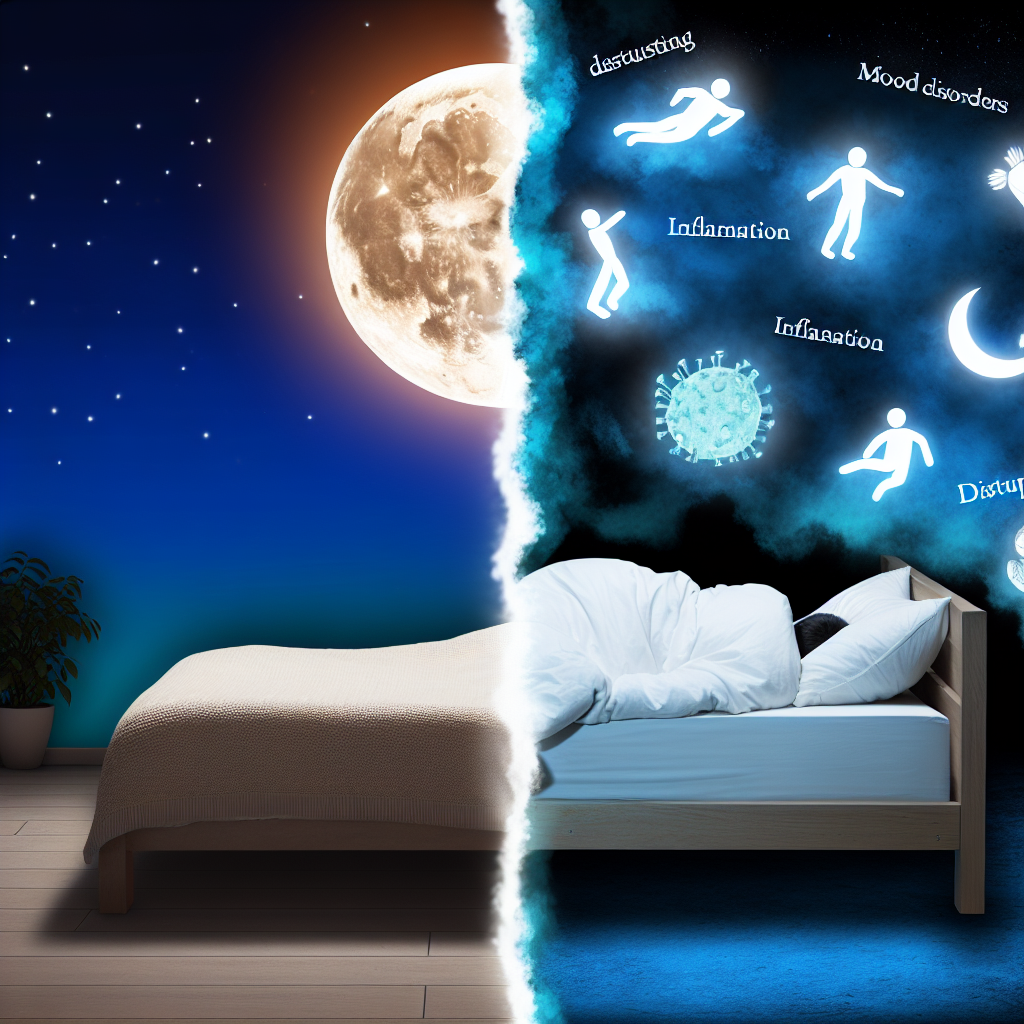
Non-restorative sleep (NRS) is a condition where individuals sleep adequate hours but still feel tired and unfocused. Unlike insomnia, NRS is often caused by hidden factors such as mood disorders, inflammation, undiagnosed sleep apnea, or poor sleep hygiene. This guide outlines a step-by-step approach—starting with clinical history, mental health assessment, sleep studies, blood tests, and behavioral therapy—to uncover root causes and rebalance the sleep-wake cycle. Restorative sleep isn’t just about hours slept but about achieving deep, healing rest. A holistic diagnostic and therapeutic path can reclaim health and vitality through better sleep.

Dominic E. is a passionate filmmaker navigating the exciting intersection of art and science. By day, he delves into the complexities of the human body as a full-time medical writer, meticulously translating intricate medical concepts into accessible and engaging narratives. By night, he explores the boundless realm of cinematic storytelling, crafting narratives that evoke emotion and challenge perspectives.
Film Student and Full-time Medical Writer for ContentVendor.com