Periodic Limb Movement Disorder – A Combined Mineral, Compression, and Neurological Calm Approach
Introduction
Periodic Limb Movement Disorder (PLMD) is a sleep-associated neurological condition marked by involuntary and repetitive limb movements, primarily in the legs, occurring every 20 to 40 seconds during sleep. These episodes fragment the sleep cycle and can lead to significant disturbances for both the individual and their bed partner. Though often linked with Restless Legs Syndrome (RLS), PLMD is a distinct disorder and may exist independently or concurrently with RLS.
This condition affects roughly 4% of adults, with increased incidence in the elderly, though it can also manifest in children, where it may relate to developmental or nutritional deficiencies. Many remain unaware they have PLMD until their sleep partner reports the symptoms or a sleep study confirms the diagnosis.
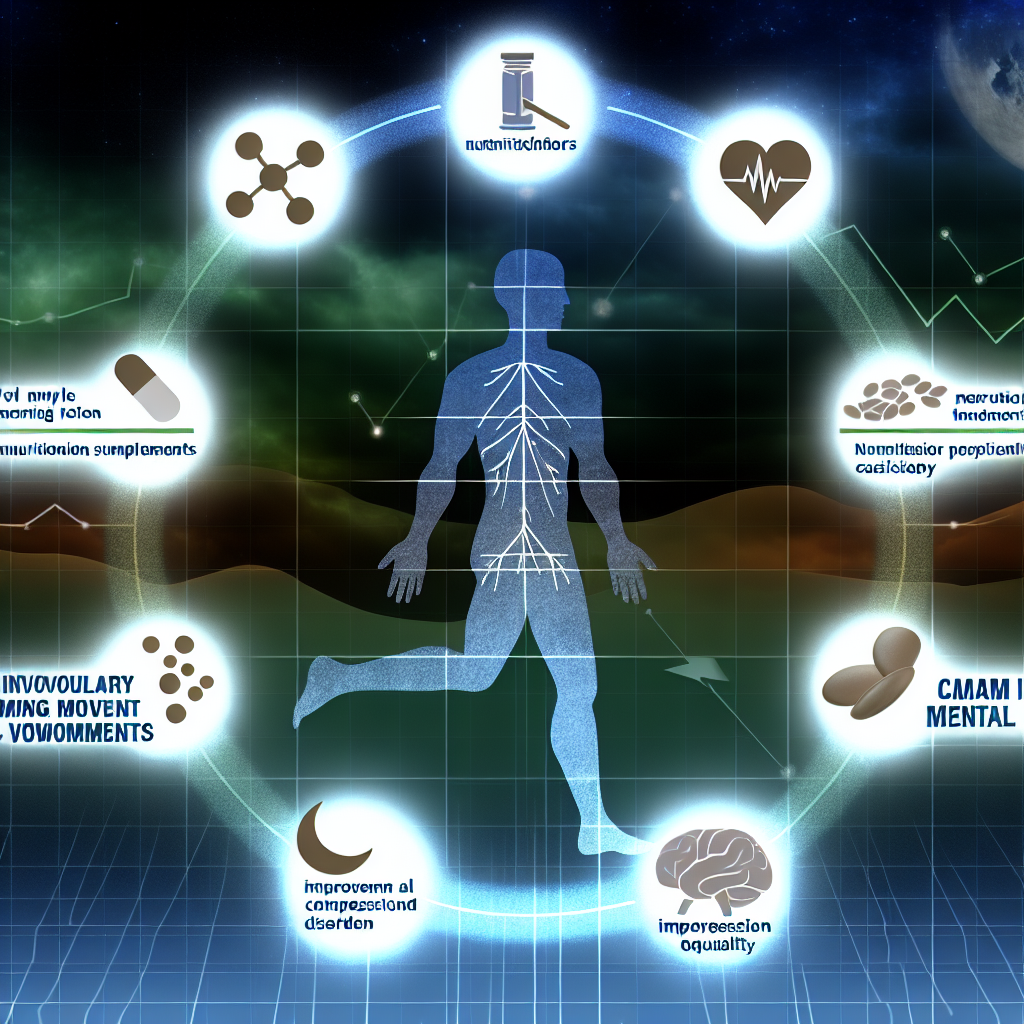
Standard strategies for managing PLMD include prescription medications such as dopaminergic drugs, anticonvulsants, or benzodiazepines. However, there has been growing interest in integrative, non-pharmaceutical interventions. A three-pronged approach focusing on mineral supplementation (iron, magnesium, calcium), compression therapy, and neurological calming techniques offers a therapeutic alternative aimed at correcting underlying contributors to the disorder. This holistic model supports long-term healing rather than solely symptom suppression.
Minerals impact neurotransmission and muscle functionality. Correction of deficiencies—particularly in iron, magnesium, and calcium—can regulate nerve impulses and reduce involuntary movement. Compression techniques, commonly used in vascular disorders, show promise for neurological recalibration. Holistic calming techniques such as breathwork, meditation, and progressive muscle relaxation also help to regulate the overstimulated nervous system.
Ultimately, this integrated model aims to support the entire physiological system, providing more sustainable improvement in sleep quality and overall neurological health.
Features of Recent Professional and Medical Studies
Mineral Deficiencies and PLMD
Research increasingly links mineral imbalances, particularly deficiencies in iron, magnesium, and calcium, with PLMD. A study published in Sleep Medicine Reviews identifies iron as vital to dopamine synthesis—an essential neurotransmitter that moderates motor control. Suboptimal central nervous system iron disrupts dopamine pathways, increasing PLMD symptoms. Iron supplementation, especially for individuals with serum ferritin below 50 mcg/L, has been effective in symptom reduction.
Beyond iron, magnesium and calcium also play significant roles in neuromuscular function. Inadequate levels of these minerals can heighten nerve excitability. A 2020 review in Nutrients underlines magnesium’s capacity to act as a natural calcium-channel blocker, aiding muscle relaxation and reducing excessive contractions during sleep.
Compression Therapy and Sensory Modulation
While compression garments are best known for circulation improvement in venous insufficiency, they also offer promise for PLMD. By providing stable pressure to the limbs, these devices stimulate mechanoreceptors that help stabilize sensory inputs and reduce involuntary motion. A landmark study published in the Journal of Clinical Sleep Medicine found that pneumatic compression devices significantly reduced limb movements and improved sleep metrics in patients with RLS and PLMD.
In practical applications, full-leg compression sleeves and intermittent pneumatic devices can both provide this sensory recalibration. This mechanical approach appeals to individuals seeking drug-free symptom control and may be particularly beneficial for those with heightened limb movement during specific sleep stages.
Neurological Calming Techniques
Neurological calming strategies aim to recondition how the brain reacts to nighttime sensory stimuli. Proven techniques include progressive muscle relaxation (PMR), mindfulness meditation, and cognitive behavioral therapy for insomnia (CBT-I). A study in the journal Sleep Health demonstrated that implementing daily mindfulness meditation led to fewer nighttime awakenings and better subjective sleep scores in patients with symptoms resembling PLMD.
These calming practices not only reduce sympathetic nervous system arousal but also encourage a parasympathetic or “rest and digest” response which supports relief from sleep disruptions. Progressive muscle relaxation also teaches the brain to isolate and release muscle tension progressively, which may help reduce limb jerking episodes.
Emerging options such as biofeedback therapy and vagus nerve stimulation show early promise in modulating the brain’s perception of peripheral nerve signals. These therapies may be the next frontier for chronic PLMD treatment and are currently under continued investigation.
Conclusion
Periodic Limb Movement Disorder negatively impacts rest, mood, and overall quality of life. While conventional medications offer symptomatic relief, they may not address root causes, and long-term use is often accompanied by side effects. An integrated, non-drug strategy targeting mineral deficiencies, sensory dysfunction via compression, and neurological overstimulation presents a sustainable and empowering solution.
By replenishing essential minerals like iron, magnesium, and calcium, patients often experience a direct reduction in muscle excitability. Compression therapy can help reset limb sensory processing while calming practices realign the nervous system toward restful patterns. With guidance, individuals can learn to implement these strategies effectively, minimizing reliance on pharmaceutical aids.
This whole-body methodology recognizes PLMD not just as a sleep issue but as a multifactorial neurological and physiological event. As studies continue to validate these interventions, they offer a hopeful way forward for regaining consistent, restorative sleep.
Concise Summary
Periodic Limb Movement Disorder (PLMD) is a neurological sleep disorder marked by uncontrollable limb movements at night, disrupting rest. While drugs are commonly used, integrating iron, magnesium, and calcium supplementation with compression therapy and neurological calming offers a promising alternative. Studies show mineral deficiencies contribute to nerve instability, while compression aids sensory recalibration and meditation reduces nighttime arousals. This combined, holistic approach treats underlying causes and supports long-term sleep quality improvements without over-relying on medications.
References
– Allen, R. P., et al. (2013). Sleep Medicine
– Barbagallo, M., Dominguez, L. J. (2020). Nutrients
– Kushida, C. A., et al. (2016). Journal of Clinical Sleep Medicine
– Ong, J. C., et al. (2014). Sleep Health

Dominic E. is a passionate filmmaker navigating the exciting intersection of art and science. By day, he delves into the complexities of the human body as a full-time medical writer, meticulously translating intricate medical concepts into accessible and engaging narratives. By night, he explores the boundless realm of cinematic storytelling, crafting narratives that evoke emotion and challenge perspectives.
Film Student and Full-time Medical Writer for ContentVendor.com