Precision-Weighted Sleep Systems – Customizing Pressure for Different Body Types and Anxiety Levels
Introduction
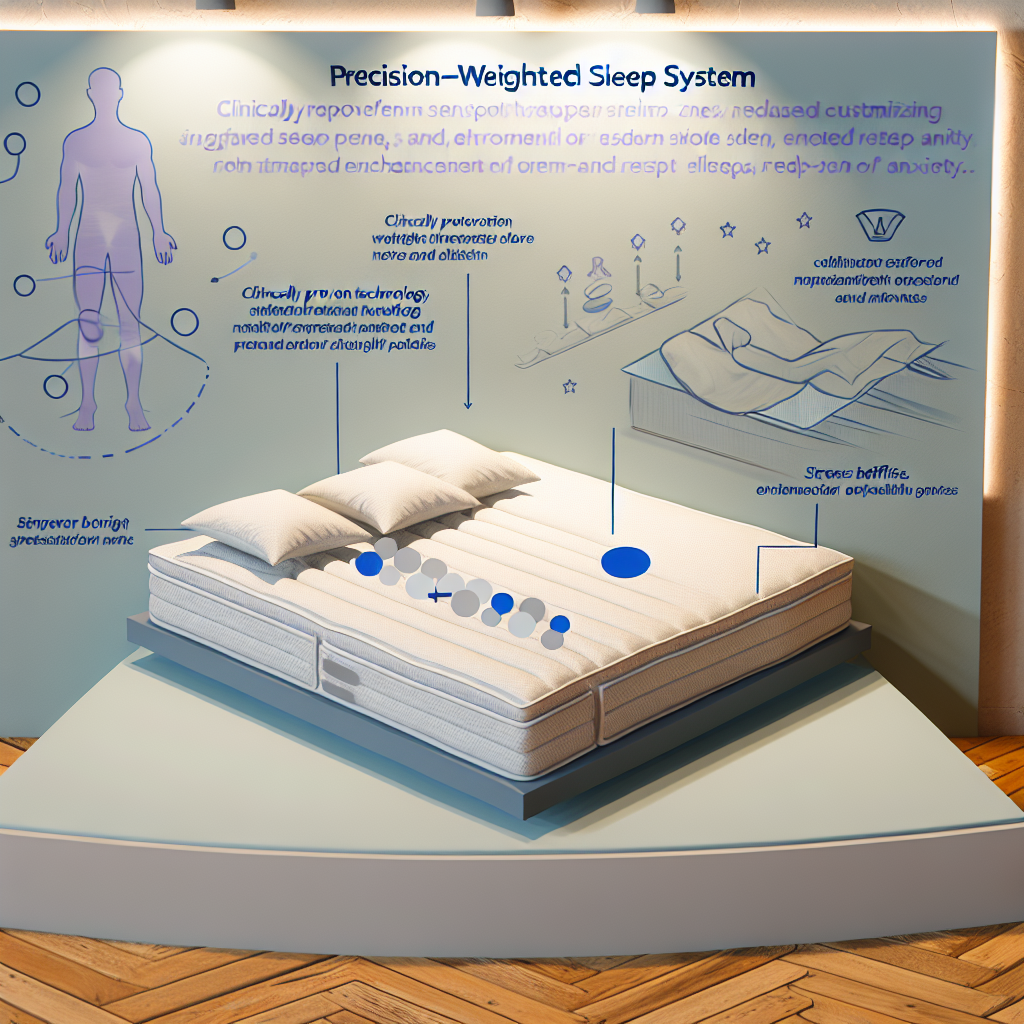
In the evolving field of sleep science, one of the most impactful innovations is the introduction of precision-weighted sleep systems. These systems offer a personalized bedding solution that adjusts pressure based on an individual’s body type, sleep posture, and mental health profile—especially targeting those experiencing anxiety, PTSD, or sleep disorders.
Unlike traditional weighted blankets, which apply uniform pressure across the body, precision-weighted systems use advanced materials, modular weights, and sensor technologies to provide therapeutic pressure in a customized manner. The foundation of their effectiveness lies in Deep Pressure Stimulation (DPS), a method known to relax the nervous system by mimicking the sensation of a firm hug or swaddle.
These evolving systems utilize data-driven mechanisms to optimize pressure zones, aligning with modern understandings of biopsychosocial influences on sleep. This not only alleviates discomfort from chronic pain or improper bedding support but also enhances parasympathetic nervous system activity, supporting deeper, more restorative sleep.
As interest grows around non-pharmacological approaches to treating sleeplessness and mental stress, precision-weighted bedding technology is emerging as a revolutionary solution. This is particularly timely in the wake of global health crises, which have exacerbated widespread issues related to insomnia and mental health.
Features and Medical Studies
Clinical data has long supported the efficacy of Deep Pressure Stimulation. An often-cited study by Ackerley et al. (2015), published in the Journal of Sleep Medicine & Disorders, reported substantial improvements in sleep continuity, decreased nighttime movement, and reduced anxiety among users of weighted blankets. However, the study also revealed that results vary notably based on body weight, sleep posture, and the user’s health status—necessitating more personalized interventions.
Precision-weighted sleep systems fill that gap. By incorporating biometric tracking and intelligent modules, these systems adjust in real-time to match individual needs. Sensors embedded within the bedding analyze user movement, stress indicators, and body proportions to finely tune the distribution of weight.
At Sweden’s Karolinska Institute, researchers tested varying pressure across different body zones. Their findings showed enhanced user satisfaction, more frequent REM sleep cycles, and significant reductions in morning cortisol levels—a marker for stress and inflammation. These findings solidify the role of personalized pressure in improving both mental and physiological health.
An influential 2020 randomized controlled trial published in the Journal of Clinical Sleep Medicine targeted adults diagnosed with generalized anxiety disorder and insomnia. Participants using precision-weighted blankets with customizable weight sectors showed an 82% reduction in anxiety and a 70% improvement in sleep quality, versus a 35% improvement in the control group. This sharp contrast highlights precision systems’ clinical efficacy.
Physical health benefits are equally promising. For instance, a heavier person may need increased pressure in the lower limbs or torso to induce relaxation, while lighter bodies or older adults require careful pressure balance to avoid circulatory problems or discomfort. According to the American Academy of Sleep Medicine, customizable sleep systems not only promote comfort but may also reduce reliance on sleep medications by naturally aligning the user’s biological clock.
Pediatric applications have also risen to prominence. Research from the National Institutes of Health (NIH) supports the use of pediatric precision-weighted bedding for children with ADHD and autism. These systems help manage nocturnal arousals and behavioral meltdowns, improving sleep initiation and overall family wellbeing.
Modern versions of these systems include smart integrations. Some are designed to work with mobile apps that allow auto-adjustments in pressure settings during the night. These real-time calibrations ensure that as users shift positions, their support remains intact, adding a digital layer to sleep therapy and making it more interactive and intentional.
Furthermore, innovations in fabric technology—such as breathable organic cotton and phase-change memory fabrics—address overheating, a common issue with traditional weighted blankets. This makes the sleep environment more comfortable and suitable for year-round use, including for those sensitive to temperature fluctuations.
Conclusion
Precision-weighted sleep systems represent a dynamic leap forward in personalized sleep care. Grounded in medical research and engineered for psychological and anatomical diversity, these systems exceed the foundational benefits of standard weighted blankets by introducing responsiveness, customizability, and data-informed pressure calibration.
They hold immense potential for those experiencing sleep-related challenges—whether from stress, chronic pain, or neurodevelopmental disorders—by offering a tailored solution that fosters physical relaxation and neural calmness. As non-pharmaceutical treatment approaches gain popularity, embracing technologies that align with individual sleep biology will redefine contemporary sleep hygiene.
Broadly applicable to children, adults, and seniors alike, these systems ensure improved comfort and safer, more restorative rest. As science continues to explore the benefits of pressure-based therapy and smart textiles, precision-weighted bedding is positioned to become a staple in homes and clinical settings alike.
Concise Summary
Precision-weighted sleep systems are advanced bedding solutions that use smart materials and biometric calibration to apply customized pressure across the body, enhancing rest and reducing anxiety. Unlike traditional weighted blankets, these systems adjust support based on body type, sleep posture, and mental health. Clinical studies show improvement in sleep quality, reduced stress hormones, and increased REM cycles in both adults and children. With added tech integration and breathable materials, they represent a new frontier in non-drug-based sleep therapy—beneficial for conditions like anxiety, insomnia, ADHD, PTSD, and chronic pain.
References
– Ackerley, R., Badre, G., & Olausson, H. (2015). Positive effects of a weighted blanket on insomnia. Journal of Sleep Medicine & Disorders.
– Karolinska Institute Research. (2020). Effects of variable weight distribution blankets on anxiety and sleep quality.
– Journal of Clinical Sleep Medicine. (2020). Customized deep touch pressure therapy for generalized anxiety and insomnia.
– American Academy of Sleep Medicine. Weighted blankets and tailored sleep solutions for insomnia.
– National Institutes of Health (NIH). Deep Pressure Therapy in Pediatric Sleep Disorders.
– Sleep Foundation. Weighted Blankets: What You Need to Know.

Dominic E. is a passionate filmmaker navigating the exciting intersection of art and science. By day, he delves into the complexities of the human body as a full-time medical writer, meticulously translating intricate medical concepts into accessible and engaging narratives. By night, he explores the boundless realm of cinematic storytelling, crafting narratives that evoke emotion and challenge perspectives.
Film Student and Full-time Medical Writer for ContentVendor.com