Revolutionizing Sleep Health: How AI and Genome Sequencing Are Uncovering Hidden Sleep Disorders
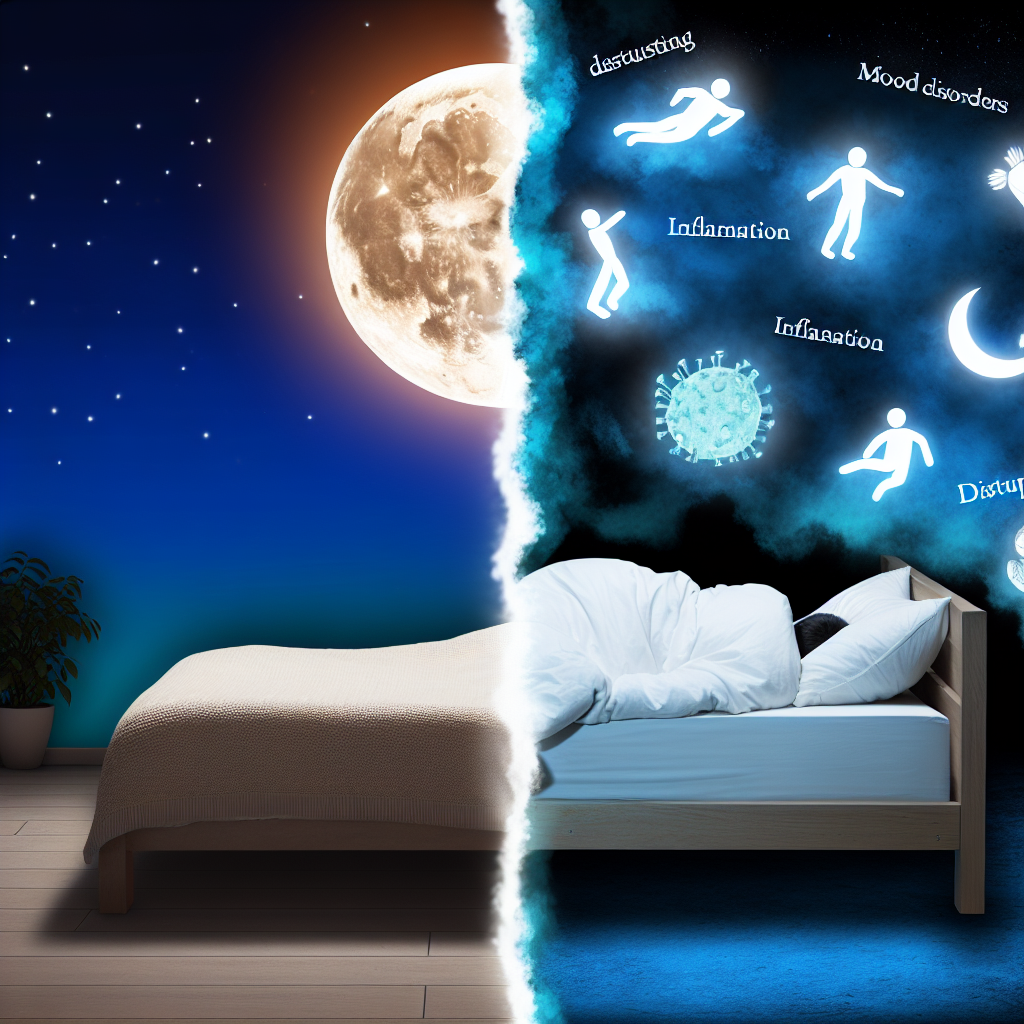
In today’s fast-paced, technology-driven world, **sleep health** has emerged as a pressing concern for individuals across all age groups. With increasing lifestyle demands and the omnipresence of digital devices, achieving quality sleep is becoming ever more elusive. Insufficient or poor-quality sleep can significantly impact physical health, cognitive function, emotional well-being, and overall quality of life. New frontiers in technology, specifically **artificial intelligence (AI)** and **genome sequencing**, are transforming our understanding and treatment of **sleep disorders**. These advancements are shining a light on the previously hidden aspects of sleep health, offering hope for more personalized and effective interventions.
The intersection of **AI** and **genome sequencing** holds enormous potential for revolutionizing sleep health. **Artificial intelligence**, with its capacity for data processing and **pattern recognition**, is now being leveraged to analyze vast amounts of data from sleep studies, wearable devices, and patient-reported outcomes. AI’s ability to detect subtle patterns and anomalies in data makes it a powerful tool for identifying sleep disorders that may otherwise go unnoticed.
**Genome sequencing**, on the other hand, provides insights into the genetic underpinnings of sleep. Recent studies have identified numerous genetic markers associated with various **sleep disorders**, such as insomnia, sleep apnea, and narcolepsy. Understanding these genetic components allows researchers and healthcare professionals to develop targeted interventions and predictive diagnostics tailored to individual genetic profiles.
By combining the capabilities of **AI** and **genome sequencing**, scientists are beginning to uncover a more comprehensive picture of sleep disorders. This synergy is not only enhancing our ability to diagnose and understand these conditions but is also paving the way for personalized treatment strategies. This transformative approach is ushering in a new era of sleep medicine, where treatments are tailored to the unique genetic and lifestyle factors of each individual.
Features: Cutting-Edge Studies and Applications
The application of **AI** in sleep medicine is gaining traction, with numerous studies showcasing its potential to revolutionize diagnostics and treatment. For instance, a study published in the [Journal of Clinical Sleep Medicine](https://jcsm.aasm.org/) demonstrated how **machine learning algorithms** could predict obstructive sleep apnea with remarkable accuracy by analyzing data from wearable devices and polysomnography. The study highlighted AI’s capacity to enhance the early detection and monitoring of this prevalent sleep disorder, reducing the need for costly and inconvenient in-lab sleep studies.
Similarly, **genome sequencing** has broadened our understanding of the genetic links to sleep disorders. Research conducted by the [UK Biobank](https://pubmed.ncbi.nlm.nih.gov/29552075/) revealed specific genetic variants that heighten susceptibility to insomnia and narcolepsy, providing a target for future therapeutic interventions. Genomic data is also proving invaluable in understanding how specific genetic mutations can affect **circadian rhythms**, which are crucial to maintaining healthy sleep patterns.
**AI** and **genome sequencing** also contribute to **personalized medicine**, a trend gaining momentum in healthcare. According to a paper published in [Nature Reviews Genetics](https://www.nature.com/nrg/), the integration of AI-driven data analysis with genomic insights enables a more nuanced understanding of how individual genetic makeup affects sleep. This combined approach allows for the development of precision treatments that consider a person’s unique genetic profile, lifestyle, and environment—a significant advancement over the traditional, one-size-fits-all approach to treatment.
These advancements are only the beginning. As technology continues to evolve, the possibilities for improving sleep health grow exponentially. For instance, **AI** could potentially be used to develop real-time monitoring systems that provide continuous feedback on sleep quality. Such advancements could empower individuals to make informed decisions about their sleep habits, fostering better long-term sleep health.
Conclusion: Embracing the Future of Sleep Health
The integration of **artificial intelligence** and **genome sequencing** into sleep medicine holds enormous promise for transforming our understanding and treatment of **sleep disorders**. By unlocking the intricate connections between genetics, environmental factors, and sleep, these technologies are paving the way for more accurate diagnoses and personalized interventions.
As we embrace these cutting-edge technologies, it is essential for healthcare providers, researchers, and policymakers to collaborate closely. This partnership will ensure that advancements in **AI** and **genomics** translate into accessible and effective solutions for patients from all walks of life.
Moreover, as individuals become more aware of the critical role of genetics and AI in sleep health, they can take an active role in managing their sleep patterns, leading to a healthier, more rested society. Ultimately, the fusion of AI and genome sequencing stands to revolutionize sleep health, unveiling new pathways to better sleep and, consequently, better overall health.
**References**
1. [Journal of Clinical Sleep Medicine – Predictions and Analyses of Sleep Apnea using AI](https://jcsm.aasm.org/)
2. [PubMed Central – Genetic Variants of Insomnia and Narcolepsy](https://pubmed.ncbi.nlm.nih.gov/29552075/)
3. [Nature Reviews Genetics – Personalized Medicine and AI in Genomics](https://www.nature.com/nrg/)
**Concise Summary**
Advancements in **artificial intelligence** and **genome sequencing** are transforming sleep health by uncovering hidden sleep disorders. AI processes large datasets to detect patterns, aiding in early diagnosis, while genome sequencing identifies genetic markers related to sleep disorders. Together, these technologies enable personalized medicine, improving diagnostics and treatments based on individual profiles. As research progresses, possibilities such as real-time monitoring emerge, empowering individuals with actionable insights into their sleep patterns, fostering better long-term health. Collaboration among healthcare providers and policymakers is crucial to ensure these innovations benefit all patients, promising a revolutionary future in sleep medicine.

Dominic E. is a passionate filmmaker navigating the exciting intersection of art and science. By day, he delves into the complexities of the human body as a full-time medical writer, meticulously translating intricate medical concepts into accessible and engaging narratives. By night, he explores the boundless realm of cinematic storytelling, crafting narratives that evoke emotion and challenge perspectives.
Film Student and Full-time Medical Writer for ContentVendor.com