**Revolutionizing Sleep Health: The AI-Powered Future of Diagnosing and Treating Sleep Apnea and Its Impact on Longevity**
Introduction
**Sleep health** is recognized as key to overall **well-being**, affecting **mental and physical health**. Among various **sleep disorders**, **sleep apnea** is a prevalent condition causing interrupted breathing during sleep. These interruptions can lead to health issues like **cardiovascular disease**, **diabetes**, and **mental health disorders**. Diagnosing sleep apnea traditionally requires resource-heavy overnight studies. However, **artificial intelligence (AI)** is transforming its diagnosis and management.
AI-driven technologies analyze vast data accurately, enabling faster and more precise diagnoses. They also offer personalized treatment interventions, enhancing patient outcomes. AI’s integration into **sleep medicine** optimizes sleep apnea detection by identifying subtle patient data patterns. **Wearable devices** with AI now provide real-time sleep health insights. Effective sleep apnea management significantly affects **longevity**, emphasizing timely diagnosis and treatment.
An expanded focus on AI in sleep medicine offers better diagnoses through sophisticated algorithms surpassing traditional methods. By enhancing accessibility, individuals can monitor their sleep continuously and get instant feedback on potential issues.
Features and Insights from Recent Studies
Recent studies show AI’s tremendous potential in transforming the **sleep health** landscape. A key study in *Nature Communications* demonstrated how AI algorithms outperform traditional sleep scoring systems with EEG data to identify sleep stages. [Link to Nature Communications](https://www.nature.com/articles/s41467-021-21062-z). MIT researchers developed an AI model using pulse oximeters to detect sleep apnea severity by analyzing blood oxygen level fluctuations [Link to MIT News](https://news.mit.edu).
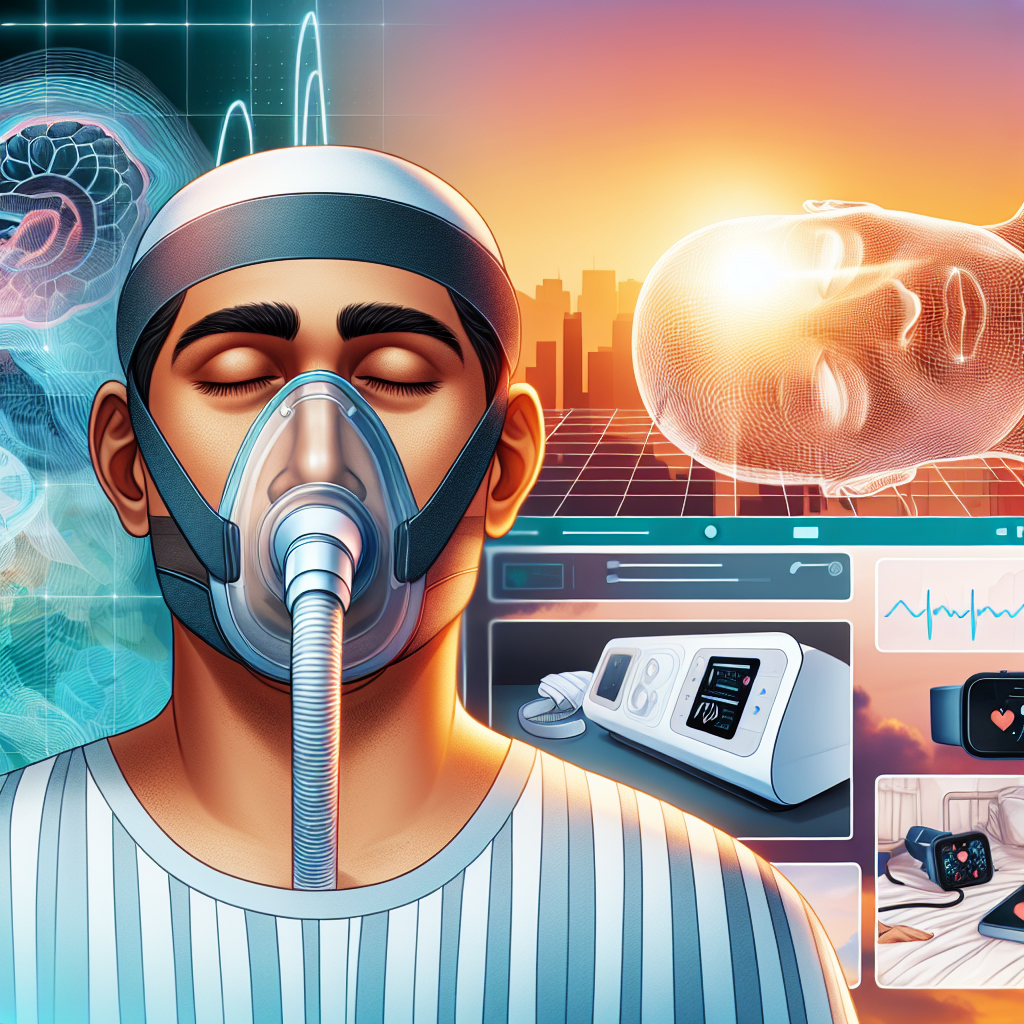
AI advancements also improve **sleep apnea treatments** like **CPAP machines**. ResMed, a CPAP leader, introduced AI-enhanced smart machines for dynamic airflow adjustment, improving patient comfort and therapy effectiveness [Link to ResMed](https://www.resmed.com).
AI in **telehealth platforms** enhances sleep apnea management accessibility. Patients gain personalized advice and progress monitoring, reducing healthcare system burdens by minimizing in-person visits.
Conclusion
As we enter an AI-driven era in sleep medicine, diagnosing and treating sleep apnea promises unprecedented sleep health and longevity improvements. By utilizing AI technologies, healthcare professionals can deliver more accurate diagnoses and personalized treatments, benefiting millions with sleep apnea.
With technology accelerating, AI in sleep medicine will significantly empower individuals for better sleep health management. This shift highlights the need to integrate innovative healthcare technologies, demonstrating that with the right tools, life quality and longevity can vastly improve. For those with sleep apnea, AI marks a bright future of healthier, restful nights and longer, fulfilling lives.
**Concise Summary**
Sleep apnea, a disorder causing interrupted breathing during sleep, poses severe health risks. Traditional diagnostics require resource-heavy studies, but AI technology is revolutionizing diagnosis and management. AI’s precision and real-time analysis via wearable devices provide more personalized treatments, enhancing outcomes for affected individuals. Recent studies highlight AI’s superiority over traditional methods in diagnosing and treating sleep apnea, promising more sleep health improvements and increased longevity. The integration of AI into telehealth further expands accessibility, positioning AI as a transformative force in addressing sleep disorders and improving patient lives.

Dominic E. is a passionate filmmaker navigating the exciting intersection of art and science. By day, he delves into the complexities of the human body as a full-time medical writer, meticulously translating intricate medical concepts into accessible and engaging narratives. By night, he explores the boundless realm of cinematic storytelling, crafting narratives that evoke emotion and challenge perspectives.
Film Student and Full-time Medical Writer for ContentVendor.com