Sleep Aid Rotation – Three Formulas to Prevent Tolerance
Introduction
In our fast-paced world, sleep disorders are becoming increasingly common, prompting many people to turn to over-the-counter and prescription sleep aids. While these options can provide short-term relief, many users face a growing issue: sleep aid tolerance—where the body becomes less responsive to the same dosage over time.
This tolerance stems from the brain adapting biologically to continuous stimulation, particularly in systems involving neurotransmitters like GABA (gamma-aminobutyric acid), melatonin, or histamine receptors. As tolerance builds, people often increase dosages, which leads to side effects or dependency.
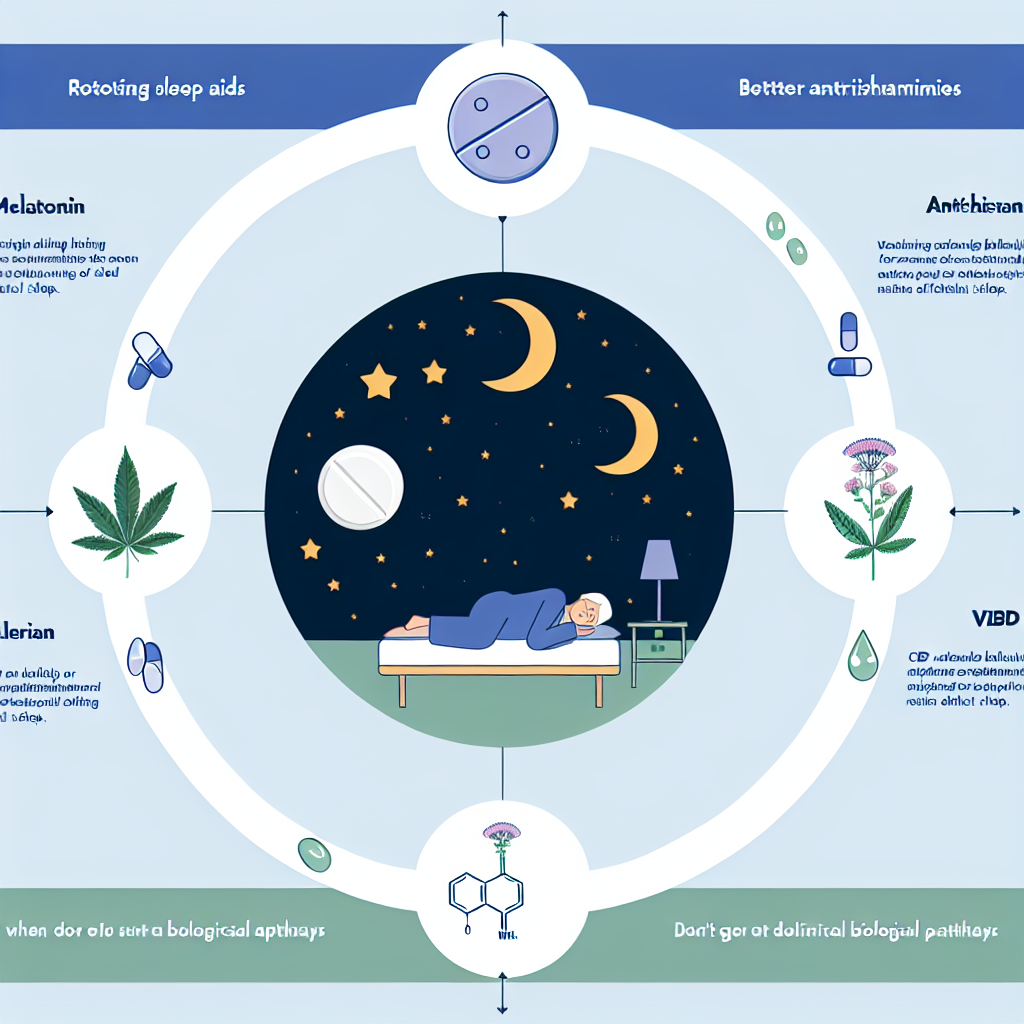
One evidence-backed strategy to combat this issue is sleep aid rotation, a solution that involves alternating between different types of sleep supplements or medications, each with unique mechanisms. This prevents over-reliance on any one aid and helps preserve efficacy.
By rotating between melatonin, antihistamines, and natural/herbal solutions, individuals can improve their sleep quality while reducing the risks of tolerance and dependency. This method also encourages better sleep hygiene practices and supports overall health and wellness.
This article explores the science behind tolerance and provides a practical guide to rotating these three sleep aid categories effectively.
The Science Behind Sleep Aid Tolerance and Rotation
Sleep aid tolerance primarily results from neuroadaptation, a process where the brain adjusts to repeated signals, reducing sensitivity. For instance, diphenhydramine (known by the brand name Benadryl) works by blocking histamine receptors to create drowsiness. However, the body quickly adapts by creating more receptors or reducing responsiveness, thus lessening the impact of the drug.
Melatonin, a hormone that the brain naturally produces in the evening, is essential for keeping the circadian rhythm in sync. According to a study in the Journal of Clinical Endocrinology & Metabolism, melatonin is generally safe for long-term use. Still, incorrect or excessive use might suppress your body’s natural melatonin production, reducing its effectiveness.
A 2019 review published in Sleep Medicine Reviews emphasized the risks posed by long-term use of GABA-based medications such as benzodiazepines or Z-drugs (e.g., zolpidem). The study highlighted side effects like rebound insomnia and receptor insensitivity, which can make sleep worse over time.
A 2015 article in Integrative Medicine: A Clinician’s Journal advocated for therapeutic rotation to combat resistance, particularly in chronic treatment situations—a concept that holds promise for sleep aid users as well.
Ultimately, rotating between sleep aids with different biological actions avoids overexposure to a single mechanism, supporting long-term sleep health without the pitfalls of dependency and diminishing returns.
1. Melatonin-Based Aids
Melatonin supplements are particularly effective for sleep disorders related to circadian rhythm disruptions like jet lag and shift work. Melatonin helps reinforce your natural sleep-wake cycle and is best taken 20 to 30 minutes before bedtime.
While not typically habit-forming, the body can reduce natural melatonin production if it receives it externally for extended periods. To prevent this, many experts suggest using melatonin no more than 5 nights a week, with 2 nights off, or in 2-4 week cycles followed by rest periods.
For optimal sleep support, choose a low dose (0.3–3mg) and pair it with good sleep hygiene practices such as limiting screen time and maintaining a consistent sleep schedule.
2. Antihistamines (e.g., Diphenhydramine or Doxylamine)
Over-the-counter antihistamines like diphenhydramine (Benadryl) and doxylamine (Unisom) function by blocking histamine receptors, leading to sedation. These are best suited for short-term or occasional sleeplessness caused by stress, travel, or illness.
However, tolerance to antihistamines can build quickly—often within just 3 to 5 days of continuous use—rendering them ineffective and potentially leading to next-day grogginess or cognitive impairments.
To use them strategically, reserve antihistamines for no more than 3 consecutive nights and discontinue for several days or rotate to herbal options. This preserves their effectiveness over occasional use while minimizing potential side effects.
3. Herbal and Natural Remedies (e.g., Valerian Root, Magnesium, CBD)
Many herbal and dietary supplements offer gentle, natural support for sleep without the same risks of dependence as pharmaceuticals. Valerian root, chamomile, and lavender all interact with GABA receptors, promoting calmness and sleep.
Magnesium is another powerful natural aid. It assists in muscle relaxation and neurotransmitter regulation, particularly by interacting with NMDA receptors. Studies have shown that magnesium supplementation can improve sleep quality in older adults and those with insomnia.
CBD (cannabidiol) has gained attention for its potential to reduce anxiety and improve sleep latency at low doses. Importantly, CBD works without the intoxicating effects of THC, making it a safe option for many individuals.
A 2020 study in Frontiers in Psychiatry confirmed the effectiveness of herbal remedies in treating insomnia with low long-term risk.
These natural aids can be rotated or combined (under professional supervision) within a weekly regimen to reduce reliance on any single solution.
Conclusion
Choosing a sleep aid should not be a one-size-fits-all decision. Without mindful use or rotation, even the most effective sleep supplements can lose their potency or lead to dependency. Incorporating a strategy of sleep aid rotation—switching between melatonin, antihistamines, and herbal or natural remedies—can enhance their long-term effectiveness and reduce health risks.
It also integrates well with a broader sleep improvement plan, including consistent sleep routines, stress management, and limited caffeine and alcohol intake. Always consult a healthcare provider before starting or modifying any supplement routine, especially in the presence of chronic sleep disorders or other health concerns.
Your sleep is foundational to your mental and physical wellness. With smart, science-backed strategies, restful sleep is within reach.
References
1. Journal of Clinical Endocrinology & Metabolism
2. Sleep Medicine Reviews
3. Integrative Medicine: A Clinician’s Journal
4. Frontiers in Psychiatry
5. National Sleep Foundation
Find more expert sleep guides and natural health solutions at www.medoze.com.
Summary
Sleep aid rotation is a science-backed method that involves alternating between melatonin, antihistamines, and natural supplements to avoid tolerance and dependency. Overusing a single sleep aid can reduce its effectiveness and create health risks. By rotating these solutions thoughtfully, supported by healthy sleep habits, you can improve sleep quality safely and sustain long-term benefits. Always consult a healthcare professional before making changes to your sleep regimen.

Dominic E. is a passionate filmmaker navigating the exciting intersection of art and science. By day, he delves into the complexities of the human body as a full-time medical writer, meticulously translating intricate medical concepts into accessible and engaging narratives. By night, he explores the boundless realm of cinematic storytelling, crafting narratives that evoke emotion and challenge perspectives.
Film Student and Full-time Medical Writer for ContentVendor.com