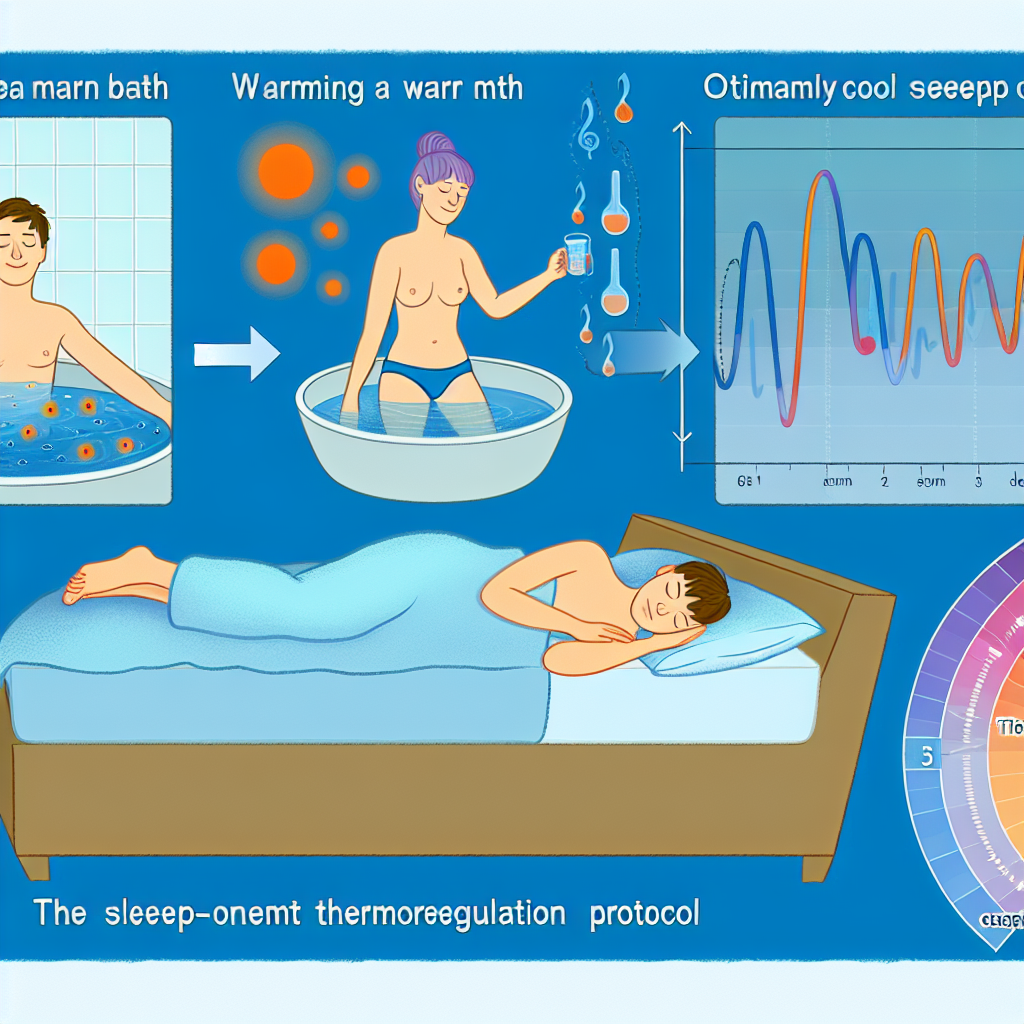
Sleep Disruption During Medication Changes – A Support Guide for Starting or Tapering SSRIs and Stimulants
Introduction
**Sleep** is an integral part of our well-being, playing a crucial role in physical health, emotional balance, and mental clarity. Yet, an often-overlooked aspect of sleep health arises when individuals undergo **medication changes**, particularly with **Selective Serotonin Reuptake Inhibitors (SSRIs)** and **stimulants**. These medications are commonly prescribed for mental health conditions such as **depression**, **anxiety**, and **ADHD**. While they offer significant benefits, they are also known to affect sleep patterns, sometimes leading to disruptions that may impact one’s overall quality of life.
As people commence, adjust, or taper off their medication regimens, it’s not uncommon to experience sleep disturbances. This can manifest as difficulty falling asleep, staying asleep, or changes in sleep cycles. Understanding these potential changes is essential for managing expectations and taking proactive steps to maintain sleep health.
SSRIs, by altering serotonin levels in the brain, can have varying effects on sleep. For some, they may improve sleep quality as mood and anxiety symptoms ameliorate. For others, initial side effects might include insomnia or increased wakefulness at night. Similarly, stimulants, often prescribed for attention disorders, can lead to insomnia if not properly managed within a daily routine.
The interplay between medication adjustments and sleep quality is complex. Recognizing the signs of sleep disruption and understanding strategies to mitigate these effects can help create a smoother transition. This support guide provides insights into maintaining optimal sleep health during such transitions, highlighting current research and offering practical advice.
Features
Numerous studies have explored the effects of SSRIs and stimulants on sleep patterns, providing valuable insights. For instance, **SSRIs** are known to influence **Rapid Eye Movement (REM) sleep**, potentially decreasing REM sleep density and altering sleep architecture. A study published in the [Journal of Clinical Psychopharmacology](https://www.nimh.nih.gov/health/topics/mental-health-medications) observed that patients starting on SSRIs might experience initial sleep disturbances. However, these effects often stabilize with continuous treatment as the body adjusts.
**Stimulants**, on the other hand, pose different challenges. Research published in [CNS Drugs](https://www.ncbi.nlm.nih.gov/pmc/articles/PMC3821776/) indicates that stimulants can impact sleep latency and efficiency. Their effects, when administered too close to bedtime, can lead to difficulty falling asleep and shortened sleep duration. Proper timing and dosage adjustment are crucial to mitigating these issues.
The role of **circadian rhythms**, the internal body clock governing sleep-wake cycles, is noteworthy. Both SSRIs and stimulants can interact with these rhythms, necessitating careful alignment of medication schedules with natural sleep patterns. **Cognitive Behavioral Therapy for Insomnia (CBT-I)** has shown promise as an adjunct therapy during medication changes. Studies advocate for its use to enhance sleep quality and reduce reliance on medication for sleep (Source: [Sleep Foundation](https://www.sleepfoundation.org/articles/what-cbt-i)).
Recognizing the importance of individual variability is paramount. **Genetic factors**, **lifestyle**, and existing **sleep disorders** can influence individual responses to medication changes. Medical professionals suggest personalized approaches, emphasizing open communication between patients and healthcare providers to tailor strategies that best suit individual needs.
Conclusion
Managing **sleep disruptions** during medication changes, particularly with SSRIs and stimulants, requires understanding underlying mechanisms and potential effects on sleep patterns. By incorporating evidence-based strategies, individuals can better navigate their treatment journey. It is essential to maintain open communication with healthcare providers to ensure medication regimens align with personal sleep needs, thereby minimizing effects on sleep quality.
Strategies such as optimizing medication timings, considering adjunct therapies like CBT-I, and appreciating individual variability can facilitate smoother transitions and enhance overall well-being. Ultimately, informed and proactive management of sleep health can significantly contribute to more effective medication outcomes, promoting both mental health and quality of life.
References
1. [National Institute of Mental Health. Mental Health Medications.](https://www.nimh.nih.gov/health/topics/mental-health-medications)
2. [American Journal of Psychiatry. Study on Stimulants and Sleep.](https://www.ncbi.nlm.nih.gov/pmc/articles/PMC3821776/)
3. [Sleep Foundation. What is CBT-I?](https://www.sleepfoundation.org/articles/what-cbt-i)
**Concise Summary:** Sleep disruptions during medication changes with SSRIs and stimulants are common, affecting sleep onset and quality. SSRIs can alter REM sleep, while stimulants may reduce sleep duration if not timed properly. Circadian rhythms play a role, necessitating schedule adjustments. **Cognitive Behavioral Therapy for Insomnia (CBT-I)** can help improve sleep quality. Individual variability in lifestyle and genetics should be considered, and open communication with healthcare providers is essential for personalized strategies. Effective management of sleep disruptions improves psychiatric treatment outcomes, enhancing overall health and quality of life.

Dominic E. is a passionate filmmaker navigating the exciting intersection of art and science. By day, he delves into the complexities of the human body as a full-time medical writer, meticulously translating intricate medical concepts into accessible and engaging narratives. By night, he explores the boundless realm of cinematic storytelling, crafting narratives that evoke emotion and challenge perspectives.
Film Student and Full-time Medical Writer for ContentVendor.com