Sleep Doctor Consultation – Telehealth Assessment and Plan
Introduction
In today’s fast-paced digital landscape, prioritizing quality sleep is more vital than ever. Across all demographics—children, adults, and seniors—sleep disorders significantly impact overall health and wellness. Chronic sleep deprivation is linked to conditions such as heart disease, obesity, depression, and weakened immune functions. Fortunately, with the rise of **telehealth sleep consultations**, expert help is now more accessible, efficient, and convenient.
Through secure video conferencing platforms, patients can connect with **board-certified sleep specialists** from the comfort of their homes. Whether you’re managing **insomnia**, **sleep apnea**, **restless leg syndrome**, or chronic fatigue despite adequate rest, a virtual consultation ensures timely and professional treatment that was once only available through in-person care.
Traditionally, obstacles such as **long wait times**, **limited specialist availability**, and **geographic restrictions** made quality sleep care difficult to access. Today, **telemedicine for sleep** care bridges these gaps with fully secure, HIPAA-compliant platforms—especially beneficial for those in rural or underserved areas.
Sleep consultations via telehealth are especially transformative across life stages:
– For children: Improves cognitive development and behavioral stability
– For adults: Enhances productivity, emotional health, and memory
– For seniors: Reduces fall risk, supports memory function, and mitigates cardiovascular risks
These online sleep evaluations are not just convenient, but customized to each patient’s needs, offering comprehensive treatment plans that may include **CBT-I (Cognitive Behavioral Therapy for Insomnia)**, medical devices, lifestyle modifications, or **CPAP therapy**.
If you or someone in your family is experiencing **chronic tiredness**, **inconsistent sleep patterns**, or **loud snoring**, a virtual sleep consultation could be the first essential step toward better sleep health.
Features: The Science Behind Telehealth Sleep Consultations
Medical research increasingly validates how effective telehealth is for diagnosing and treating sleep disorders. A notable study in the Journal of Clinical Sleep Medicine found that **CBT for insomnia via video conferencing** matched the effectiveness of face-to-face interventions for improving sleep latency, duration, and patient satisfaction (Arnedt et al., 2013).
Likewise, a 2021 study in Sleep Health confirmed that **patients with obstructive sleep apnea (OSA)** treated and monitored through telehealth platforms using CPAP therapy maintained similar adherence and outcomes compared to traditional models (Hirshkowitz et al., 2021).
1. Comprehensive Sleep History Review
An expert evaluates detailed factors such as:
– Difficulty falling or staying asleep
– Waking patterns and total sleep duration
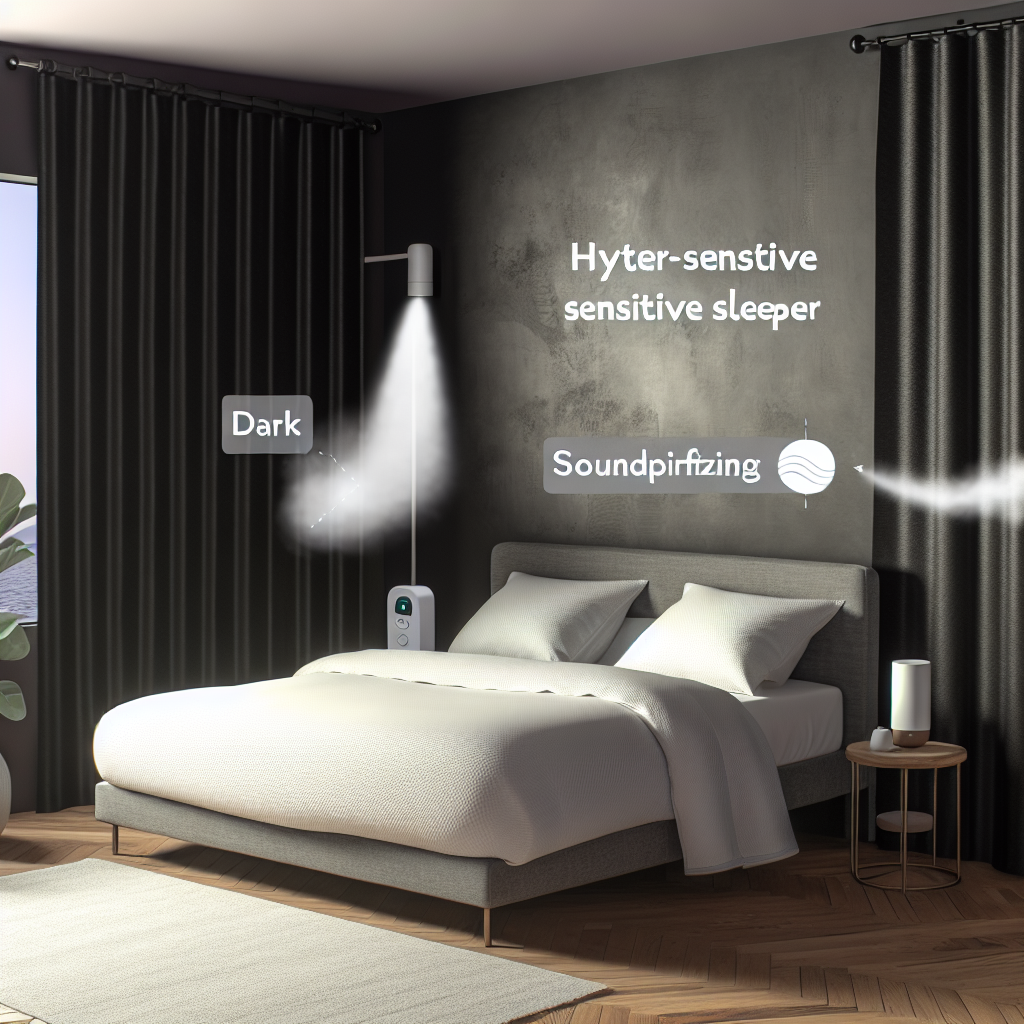
– Environmental influences (light, noise, temperature)
– Symptoms like **snoring**, gasping for air, and restlessness
– Coexisting psychiatric or medical conditions that affect sleep
2. Sleep Questionnaires and Diaries
Patients may be asked to complete validated tools:
– Epworth Sleepiness Scale (ESS): Measures daytime sleepiness
– Insomnia Severity Index (ISI): Assesses severity and impact of insomnia
– Sleep diaries: Track bedtime, wake time, interruptions, naps, and perceived sleep quality
These tools help quantify sleep disorders and guide diagnosis and treatment.
3. Remote Sleep Studies (Home Sleep Apnea Testing)
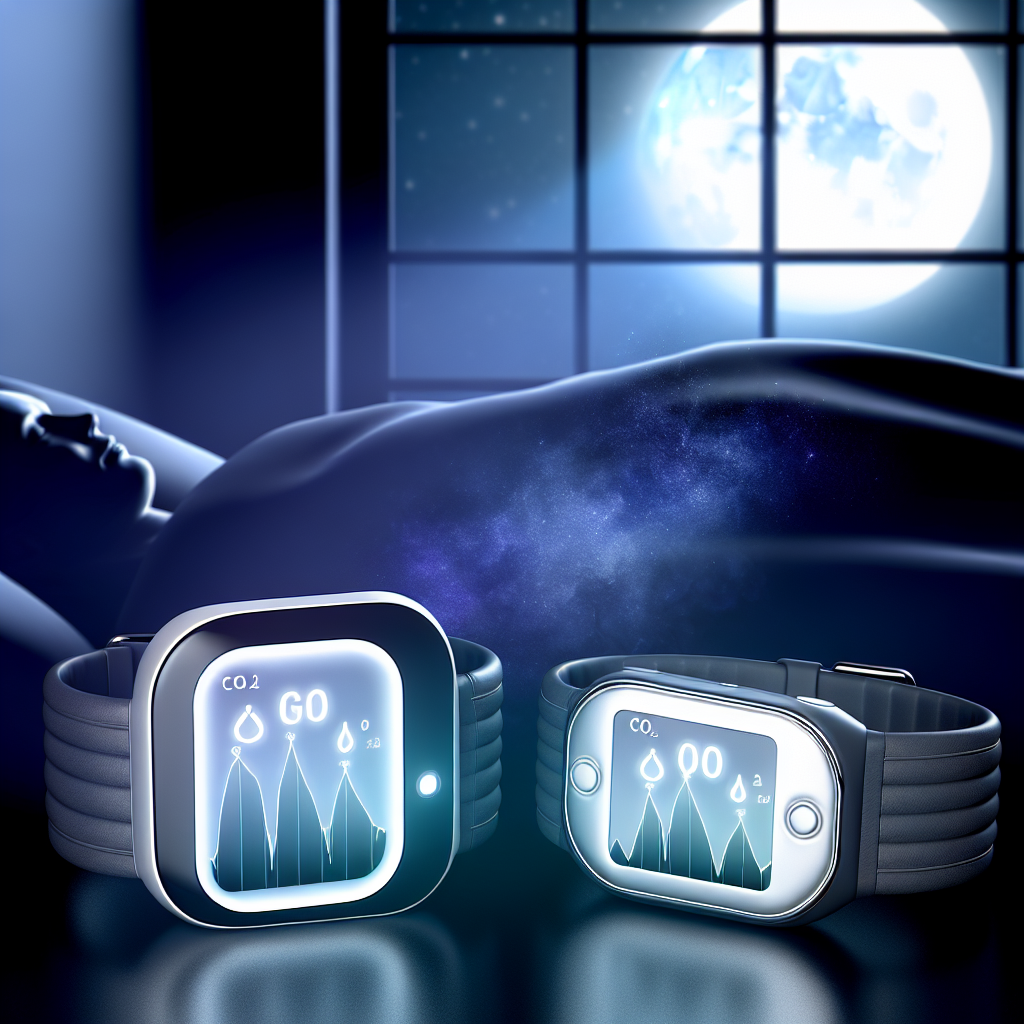
Suspected sleep apnea cases can be evaluated using **Home Sleep Apnea Tests (HSAT)** sent directly to the patient. These portable devices monitor sleep metrics like:
– Breathing rate
– Heart rate
– Body movement
– Blood oxygen levels
Data from these studies are uploaded securely for the sleep specialist’s evaluation and diagnosis.
4. Video-Based CBT-I (Cognitive Behavioral Therapy for Insomnia)
CBT-I is considered the gold standard for chronic insomnia. Delivered virtually, this therapy:
– Challenges unhelpful beliefs about sleep
– Improves sleep efficiency through techniques such as:
– Stimulus control (associating bed only with sleep)
– Sleep restriction (limiting time in bed to increase sleep drive)
– Relaxation training (meditation, breathing exercises)
Virtual CBT-I programs are structured as weekly sessions over 6–8 weeks, often supplemented with mobile apps for better compliance.
5. Customized Treatment Plans
Using assessment data, doctors create personalized digital care plans that might include:
– Sleep-wake scheduling
– Lifestyle changes and environmental adjustments
– **Pharmacological reviews** to manage contributing medications
– Prescription of devices like **CPAP**, BiPAP, or **oral appliances** for sleep apnea
Each plan is adapted over time based on individual progress and symptom response.
6. Follow-Up and Device Monitoring
Ongoing virtual appointments help ensure:
– Treatment adherence
– Adjustments to medications or therapies
– Continuity of care
For sleep apnea patients using CPAP devices, many machines come equipped with **cloud-based monitoring platforms**. These tools allow providers to track usage, detect mask leaks, and optimize machine settings remotely.
Advances in **wearable technology** and **mobile apps** like Fitbit, Oura Ring, and Apple Health further supplement treatment data with real-world sleep behavior, leading to better insights and effectiveness.
Conclusion
The future of **sleep care is digital**. With accessible, expert-driven, and patient-centered telehealth consultations, individuals no longer need to postpone treatment due to geography, mobility, or time constraints.
Whether facing **insomnia**, **snoring disorders**, **night waking**, or **fatigue despite rest**, patients of all ages can benefit from online consultations. Children coping with poor sleep and school issues, adults overwhelmed with stress, and seniors adjusting to new sleep rhythms all find relief through tailored virtual treatments.
At Medoze, we are committed to integrating **telehealth into your sleep health journey**—helping you unlock restful nights and healthier days.
References
– Arnedt, J. T., Cuddihy, L., Swanson, L. M., Pickett, S., & Auckley, D. (2013). Randomized controlled trial of telephone-delivered cognitive behavioral therapy for chronic insomnia. Journal of Clinical Sleep Medicine
– Hirshkowitz, M., Micic, G., & McCall, C. (2021). Telemedicine in sleep medicine: empirical evidence, practical issues, and future directions. Sleep Health
– American Academy of Sleep Medicine. Clinical Guidelines and Practice Parameters
– Centers for Disease Control and Prevention – Sleep and Sleep Disorders
Concise Summary
Sleep disorders negatively impact health, performance, and mood across all age groups. Telehealth sleep consultations deliver timely, expert assessment and care from certified specialists via secure video calls. Services include sleep history evaluations, home testing for apnea, CBT-I therapy, personalized plans, and remote device management. Backed by strong clinical evidence, telehealth for sleep disorders is equally effective as in-person care while offering added convenience. Whether addressing insomnia, apnea, or fatigue, these services support better rest and improved wellbeing—accessible from anywhere.

Dominic E. is a passionate filmmaker navigating the exciting intersection of art and science. By day, he delves into the complexities of the human body as a full-time medical writer, meticulously translating intricate medical concepts into accessible and engaging narratives. By night, he explores the boundless realm of cinematic storytelling, crafting narratives that evoke emotion and challenge perspectives.
Film Student and Full-time Medical Writer for ContentVendor.com