Sleep Hygiene Course – 30-Day Habit Reset for Irregular Schedules
Introduction
In today’s fast-moving, always-online society, maintaining a consistent sleep schedule can be incredibly challenging. Whether you’re a shift worker, student, new parent, or digital nomad managing clients across time zones, your sleep can suffer due to an irregular schedule. Disrupted sleep isn’t just inconvenient—it can negatively affect your mental clarity, emotional stability, immune system, and raise your long-term risk for chronic illnesses like cardiovascular disease, diabetes, and depression.
Sleep hygiene is the science of optimizing sleep quality through behavioral and environmental cues that align with your body’s natural rhythms. This includes consistent bedtime routines, avoiding screens before bed, and creating a restful sleep environment. For those whose schedules don’t fit a 9-to-5 model, this isn’t just helpful—it’s essential.
The Sleep Hygiene Course – 30-Day Habit Reset is a practical, science-based plan that aims to help people reset and reprogram their circadian rhythm using actionable techniques. Instead of overwhelming lifestyle changes, it introduces daily micro-habits grounded in neuroscience and sleep research. By utilizing the principle of neuroplasticity, it rewires the brain towards healthier sleep behaviors.
This course is designed for broad applicability—whether you are a teenager handling exam season, a startup founder battling unpredictable hours, or a new parent juggling midnight awakenings. It helps everyone build a stable, adaptable sleep foundation through holistic, research-backed strategies.
Features & Supporting Medical Research
The core of this program lies in decades of evidence-based science drawn from areas including circadian biology, sleep physiology, and Cognitive Behavioral Therapy for Insomnia (CBT-I). By offering structured daily adaptations, the course helps recondition the body to naturally seek rest, even within a variable life schedule.
One major theme throughout the program is circadian rhythm regulation. This internal 24-hour clock, greatly influenced by light exposure, meal timing, and activity, governs when we feel alert and when we get sleepy. According to the National Institute of General Medical Sciences, disruptions to this rhythm can reduce sleep quality and raise health risks. The course integrates habits such as early morning sunlight exposure, movement breaks, mealtime consistency, and light management at night to re-align the body’s natural clock.
Consistency is another pillar of success. A 2016 study published in Sleep Health found that consistent sleep and wake times were more beneficial to mental health and cognitive performance than total sleep time—especially in young adults. This helps make the case for maintaining fixed wake-up times, even on weekends.
Modules also incorporate principles from Cognitive Behavioral Therapy for Insomnia (CBT-I), the gold standard for chronic insomnia treatment, as recommended by the American Academy of Sleep Medicine. Techniques include thought reframing, worry scheduling (designated mental processing time during the day), and sleep journaling to create awareness of habits and mental blocks that hinder restful sleep.
The course then evolves into making the bedroom a true sleep sanctuary. Backed by insights from Harvard Medical School, the curriculum emphasizes limiting blue light exposure before bed through both a digital curfew and the use of screen filters. Gradual addition of environmental upgrades—such as blackout curtains, aromatherapy diffusers, and white noise generators—helps signal your brain when it’s time to wind down.
By Week 3, the course introduces mindfulness training and guided meditations. As proven by a JAMA Internal Medicine study, mindfulness-based stress reduction significantly improves sleep quality, especially in older adults. These exercises help quiet the mental chatter that often sabotages a good night’s rest.
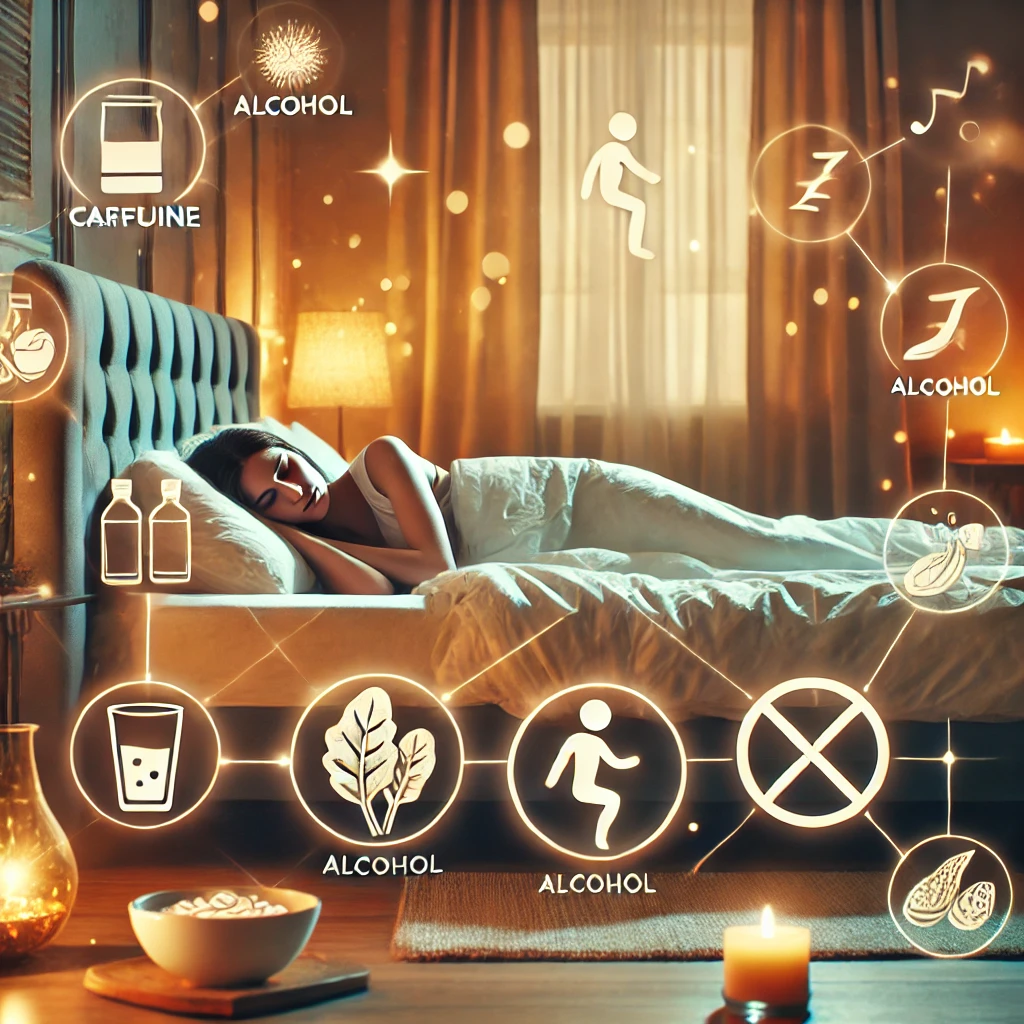
One often overlooked area is nutrition and sleep. This program provides instruction on timing caffeine intake, meal sizes, alcohol limits, and hydration to prevent poor digestion or frequent bathroom trips from disturbing your rest. Specific dietary tips include boosting intake of sleep-supportive nutrients like magnesium (dark leafy greens, nuts), and minimizing heavy, spicy, or sugary meals before bedtime.
All elements—behavioral, environmental, cognitive, and nutritional—are sequenced to build upon each other over the month. The end result is a fully reinforced biological and psychological system that supports consistent, restorative sleep, regardless of your lifestyle demands.
Conclusion
Prioritizing sleep isn’t indulgent—it’s essential for thriving in today’s demanding world. The Sleep Hygiene Course – 30-Day Habit Reset gives you a structured, practical method to improve your rest using the best of what science and habit-forming psychology have to offer. Whether you struggle with insomnia, frequent night wakings, or simply feel chronically groggy, this course helps dismantle destructive patterns and rewire your system for sounder sleep.
Over 30 days, you’ll take small, manageable steps that lead to big results—from resetting your internal clock and building consistent routines to calming your mind and optimizing your sleep environment. The benefits? More energy. Sharper focus. Better mood. Stronger immunity. Life just works better when you sleep better.
Empower yourself with evidence-based techniques, gain control over your variable schedule, and unlock the rejuvenating power of sleep.
Summary (100 Words)
The Sleep Hygiene Course – 30-Day Habit Reset offers a science-backed, step-by-step approach to improving sleep for those with irregular schedules. Leveraging principles of circadian rhythm regulation, CBT-I, mindfulness, and environmental optimization, the program delivers daily tools to enhance rest, balance your internal clock, and reduce sleep disruption. Structured around neuroplasticity, the course helps instill lasting habits through gradual change. Designed for shift workers, students, parents, and professionals, it incorporates proven strategies like light exposure timing, screen curfews, guided meditation, and sleep journaling. Participants emerge with sustainable routines that foster deeper, healthier sleep—leading to better focus, emotional resilience, and overall well-being.
References
– National Institute of General Medical Sciences – Circadian Rhythms
– National Sleep Foundation – Healthy Sleep Tips
– American Academy of Sleep Medicine – CBT-I
– Harvard Medical School – Blue Light Exposure
– JAMA Internal Medicine – Mindfulness Meditation and Sleep
– Sleep Health Journal – Sleep Consistency and Mental Health

Dominic E. is a passionate filmmaker navigating the exciting intersection of art and science. By day, he delves into the complexities of the human body as a full-time medical writer, meticulously translating intricate medical concepts into accessible and engaging narratives. By night, he explores the boundless realm of cinematic storytelling, crafting narratives that evoke emotion and challenge perspectives.
Film Student and Full-time Medical Writer for ContentVendor.com