Sleep Inertia Minimization Plan – A Morning Light and Movement Sequence to Combat Grogginess
Introduction
Sleep inertia is the groggy, cognitively sluggish period many experience immediately after waking. This transitional state includes reduced alertness, mental fog, impaired decision-making, and low energy levels. For some people, this can last minutes; for others, it might persist for over an hour, especially when awakening from deep NREM sleep or after poor sleep quality.
This drowsiness is a natural part of the brain’s reactivation process but can be aggravated by factors like irregular sleep schedules, sleep deprivation, or improper sleep environments. Populations such as shift workers, frequent travelers, and those with inconsistent routines are especially vulnerable.
The good news? Studies show that two highly effective interventions—early exposure to bright light and light physical movement—can significantly reduce symptoms of sleep inertia. Bright light stimulates the body’s wake-up processes by influencing the circadian rhythm, while movement improves blood circulation and activates the brain.
Read on to discover an evidence-based, easy-to-follow morning sequence to jumpstart your day, reduce brain fog, and enhance early-day performance.
Evidence and Supporting Features
Scientific research confirms the benefits of combining light and movement for sleep inertia relief.
📌 A 2014 study in the Sleep Medicine Journal found that exposure to bright light (>1000 lux) within an hour of waking decreased feelings of sleepiness and improved attention compared to low-light conditions. This is due to light suppressing melatonin—the hormone that makes us feel sleepy—while activating brain centers responsible for wakefulness.
📌 According to the Journal of Physiological Anthropology, morning exposure to natural sunlight regulates the circadian rhythm and improves morning alertness and mood. Even short bursts of daylight activate the retina and signal the brain’s master clock to promote wakefulness.
📌 In the Journal of Applied Physiology, researchers observed that light aerobic movements after waking enhance oxygen flow and cerebral blood circulation, helping the brain exit its low-activity state and boosting clarity and mood.
📌 NASA studies also confirm these findings in critical-environment sleepers (like astronauts). Their technical report highlights the efficacy of controlled light environments and moderate movement in restoring cognitive alertness during vulnerable post-sleep moments.
Together, these studies validate that light and movement are powerful, accessible ways to reduce the severity and duration of post-wake grogginess. When strategically combined, they form an effective morning intervention.
The Sleep Inertia Minimization Plan – Light and Movement Routine
Adopt the following routine to transition smoothly into wakefulness and start your day feeling energized and clear-headed.
Within 5 minutes of waking:
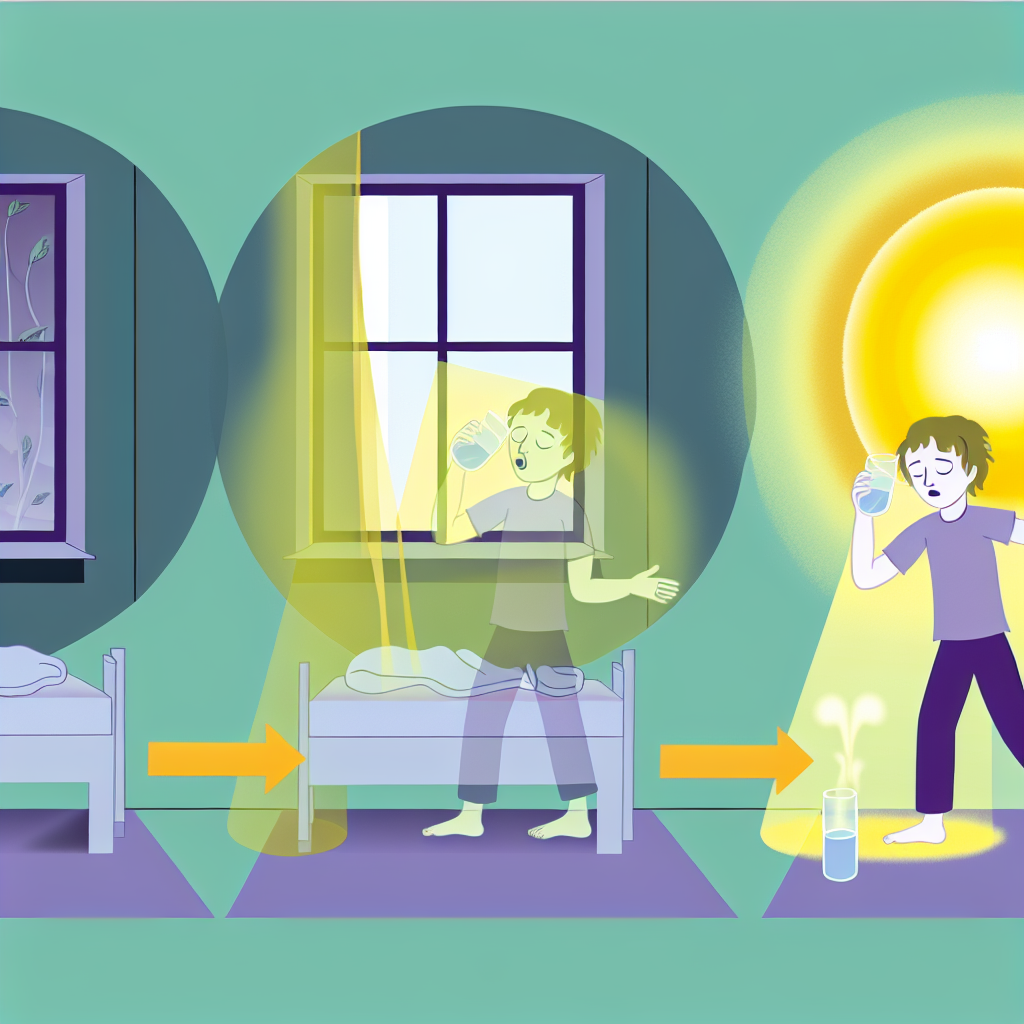
1. Expose yourself to bright natural light: Step outside or stand near a window to absorb sunlight. Even indirect morning light is beneficial. On overcast days or before sunrise, use a 10,000-lux light therapy lamp for 15–20 minutes. This light signals your body to reduce melatonin and increase cortisol, promoting reduced grogginess.
Within 10 minutes of waking:
2. Hydrate thoroughly: Drinking a full glass of water aids blood circulation, kickstarts digestion, and supports metabolism—all helping your body signal that it’s time to be alert.
3. Practice a 5–7 minute gentle movement sequence to improve oxygen flow and stimulate your nervous system:
– Arm circles and shoulder rolls (1 minute)
– Standing overhead reaches and side body stretches (1 minute)
– Spine rolls and forward bends (1 minute)
– Gentle marching on the spot or slow pacing while practicing deep breathing (2–3 minutes)
– Facial exercises including exaggerated yawns and smiling stretches (1 minute)
These low-impact movements aren’t about working out but stimulating wakefulness through circulation and mindfulness.
Optional enhancements:
– Use essential oils (peppermint or citrus) to activate your olfactory system, which has a direct link to brain arousal.
– Play uplifting, energetic music to awaken auditory pathways and encourage a positive mindset.
– Consider a sunrise-simulation alarm clock that gradually increases brightness before wake time, helping your brain ease into consciousness naturally.
Conclusion
You don’t have to let grogginess dictate your mornings. By incorporating light exposure and light movement within the first few minutes of waking, you can significantly reduce the effects of sleep inertia and gain an early edge on your day.
This science-based routine is simple, fast, and adaptable for anyone—whether you’re a student facing exams, a professional with early deadlines, or someone seeking more energy and mental clarity throughout the day.
Start your day with intention. With this Sleep Inertia Minimization Plan, you’re not just rising—you’re waking up for success.
Concise Summary
Sleep inertia is the groggy, unfocused feeling many experience upon waking. This article presents a proven light and movement-based “Sleep Inertia Minimization Plan” to combat morning fog. Exposure to bright natural or artificial light helps reset your circadian rhythm, while 5–7 minutes of gentle movement boosts blood flow and brain alertness. Backed by research from journals such as Sleep Medicine, NASA, and physiology experts, this routine helps reduce grogginess, improve morning mood, and boost productivity within minutes of waking—no caffeine required. Wake smarter, not harder.
References
– Sleep Medicine Journal – Bright light impact on alertness
– Journal of Physiological Anthropology – Morning light and mood correlation
– Journal of Applied Physiology – Light movement benefits post-wake
– NASA Technical Report – Countermeasures for Sleep Inertia

Dominic E. is a passionate filmmaker navigating the exciting intersection of art and science. By day, he delves into the complexities of the human body as a full-time medical writer, meticulously translating intricate medical concepts into accessible and engaging narratives. By night, he explores the boundless realm of cinematic storytelling, crafting narratives that evoke emotion and challenge perspectives.
Film Student and Full-time Medical Writer for ContentVendor.com