Sleep Medicine Meets AI: Predicting Health Outcomes Beyond Apnea
Topic Introduction
In today’s fast-paced world, sound sleep is more than just a luxury—it’s a cornerstone of good health. But what if we could use **technology** not just to **monitor sleep patterns**, but to **predict and improve an array of health outcomes**? Enter the realm of **artificial intelligence (AI)**, where recent advancements in **sleep medicine** are transforming what we know about **sleep disorders** and overall health. Traditionally, sleep medicine has concentrated on common disorders like **obstructive sleep apnea (OSA)**, often characterized by interrupted breathing during sleep. As science has unfolded, it’s become apparent that **sleep health** is intertwined with numerous other health outcomes, from **cardiovascular diseases** to **metabolic disorders**.
**AI**, with its ability to analyze patterns and process vast amounts of data, presents a groundbreaking opportunity to delve deeper. It does not stop at diagnosing sleep apnea but extends beyond, offering predictive health insights concerning other conditions like **diabetes, hypertension,** and even **mental health disorders** such as **depression** and **anxiety**. This technology operates through sophisticated **algorithms** trained on diverse data sets, including **sleep studies**, personal health records, and biometric data collected from **wearable technology**. It bears the potential to identify risk factors and symptoms often invisible to the naked eye or traditional analysis methods.
The evolution of AI in sleep medicine encompasses **predictive modeling**—a method where AI systems learn from existing data to predict future outcomes. This ability to foresee future health issues allows for early interventions, ultimately leading to better management and even prevention of certain conditions. For the average person, this means a **proactive approach** to healthcare, where individuals are not just patients but active participants in managing their health. As AI continues to weave itself into the fabric of sleep medicine, it promises to redefine what it means to achieve true sleep health and how it can transform our overall well-being.
Features
Several studies highlight the potential of AI to revolutionize sleep medicine. For instance, a study published in **Nature** utilized **machine learning algorithms** to analyze **polysomnography data**, which traditionally are intricate to interpret due to their complexity. The algorithms could accurately determine sleep stages and identify anomalies indicative of various sleep disorders beyond apnea. This development suggests a future where sleep studies could be performed at home, reducing the need for overnight hospital stays, making sleep analysis more accessible and patient-friendly. [Nature Study on AI and Sleep](https://www.nature.com/articles/s41591-019-0713-2)
Moreover, research conducted by the **American Academy of Sleep Medicine** found that AI could predict the onset of conditions like **hypertension** by tracking long-term sleep data. The algorithms detected minor irregularities in sleep patterns that were precursors to elevated blood pressure, thus emphasizing the role of sleep in cardiovascular health. Such predictive capabilities are invaluable, allowing individuals to make lifestyle changes or seek medical advice long before the condition becomes severe. [American Academy of Sleep Medicine Study](https://aasm.org/annual-meeting/abstracts/predictive-value-of-sleep-features-in-hypertension/)
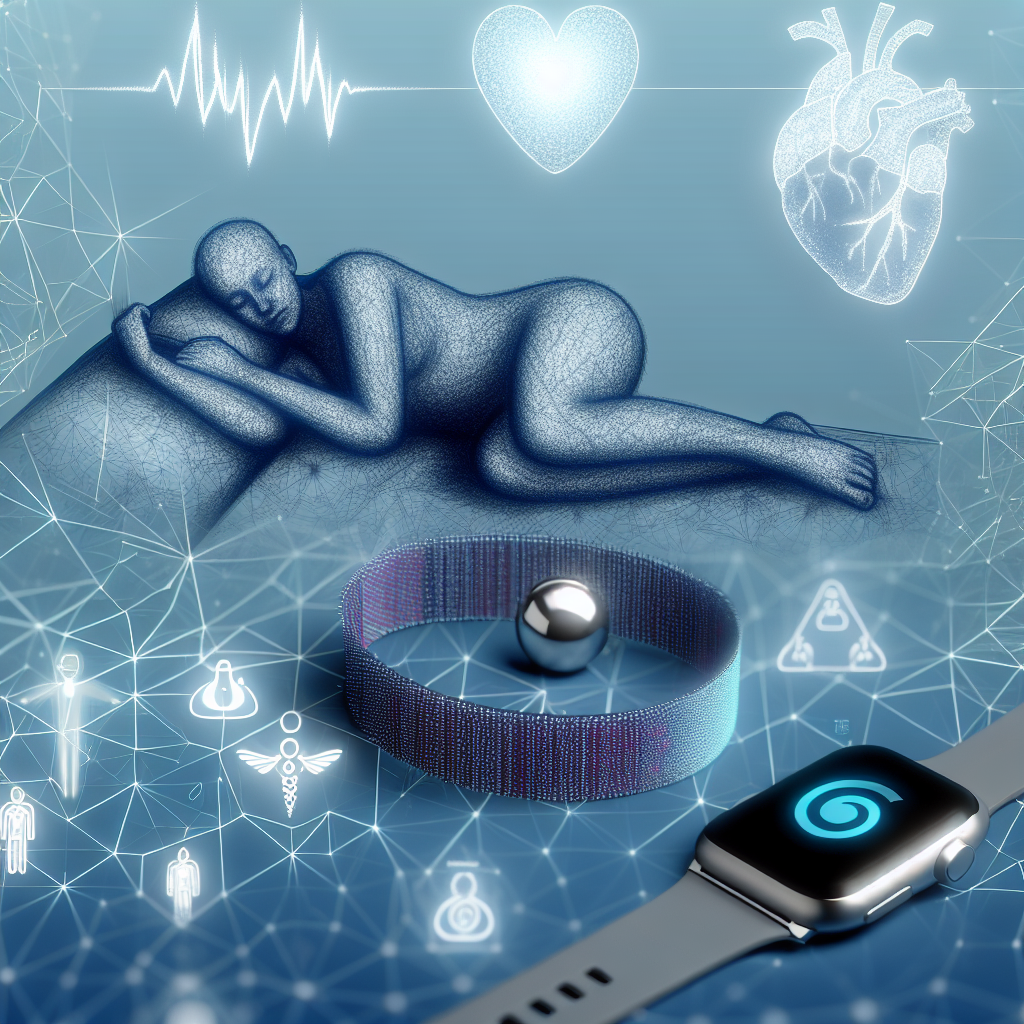
**Wearable technology** is another frontier of exploration. Devices like smartwatches and fitness trackers now incorporate AI to monitor sleep habits in real-time. A study in the **Journal of Clinical Sleep Medicine** noted that these devices, equipped with AI capabilities, are effective at detecting deviations from normal sleep patterns that could signify underlying health issues. This continuous, non-invasive monitoring facilitates a more comprehensive view of an individual’s sleep health over time and provides data that is vital for the early detection of comorbid disorders linked to poor sleep. [Journal of Clinical Sleep Medicine on Wearable Technology](https://jcsm.aasm.org/doi/10.5664/jcsm.8156)
These advancements exemplify the growing influence of AI in enhancing sleep medicine, shifting the focus from symptomatic relief to **holistic preventive health care** that is personalized and continually adaptive to an individual’s needs.
Conclusion
As AI becomes increasingly entwined with sleep medicine, the potential to improve health outcomes drastically expands. We stand on the brink of a paradigm shift where AI aids in understanding the complexity of sleep and its impact on overall health. Rather than merely treating disorders like sleep apnea, AI offers a broader, more comprehensive view of an individual’s health trajectory. This advancement encourages proactive health management, potentially reducing the prevalence of chronic conditions through early intervention and ongoing monitoring.
Investing in and embracing this technology can lead to better health outcomes, where sleep medicine transcends its traditional boundaries, integrating into a holistic framework for healthcare. As we continue to explore the possibilities AI presents, we are encouraged to envision a healthier future—where sleep is not just a nightly necessity but a powerful tool in our wellness arsenal.
**Concise Summary**
AI is revolutionizing sleep medicine by extending its reach beyond diagnosing sleep apnea to predicting various health outcomes such as cardiovascular and metabolic disorders. This is achieved through predictive modeling using AI algorithms trained on diverse data sets from sleep studies and wearable technology. AI allows for early intervention, offering a proactive approach to healthcare where individuals are active participants. This integration of AI promises a shift towards holistic preventive healthcare, enhancing overall well-being and reducing the incidence of chronic conditions through continuous monitoring and early detection.

Dominic E. is a passionate filmmaker navigating the exciting intersection of art and science. By day, he delves into the complexities of the human body as a full-time medical writer, meticulously translating intricate medical concepts into accessible and engaging narratives. By night, he explores the boundless realm of cinematic storytelling, crafting narratives that evoke emotion and challenge perspectives.
Film Student and Full-time Medical Writer for ContentVendor.com