Sleep Retreat Experience – Luxury Optimization Program Behind the Scenes
Introduction:
In today’s **fast-paced** and **hyperconnected world**, quality sleep has become a rare luxury. With constant exposure to screens, stress, and poorly timed nutrition, **sleep quality** has declined significantly. Yet, sleep remains foundational to **physical**, **mental**, and **emotional well-being**.
Enter the transformative world of luxury sleep retreats—state-of-the-art facilities designed by **sleep experts**, **neurologists**, and **holistic practitioners** to reset circadian rhythms and restore sleep health. Picture destinations as soothing as coastal sanctuaries, forest hideaways, or mountaintop havens, where every detail is orchestrated to realign sleep cycles with natural rhythms. These retreats aren’t about luxury bedding alone—they combine personalized diagnostics, **evidence-backed therapies**, and lifestyle optimizations to deeply rejuvenate guests from the inside out.
Unlike conventional vacations that may leave attendees more drained, these programs are tailored to resolve **chronic insomnia**, **burnout**, and **jet lag**, delivering profound recovery through advanced diagnostics like polysomnography and melatonin rhythm synchronization. Techniques such as **CBT-I** (Cognitive Behavioral Therapy for Insomnia) and **circadian realignment** make the experience as therapeutic as it is luxurious.
Ultimately, these retreats reframe how wellness tourism is perceived—treating sleep not as a passive need, but as an intentional, powerful form of healthcare. Below, explore how these revolutionary experiences work behind the scenes and what truly makes them cutting-edge in the world of **health optimization**.
Features
Luxury sleep retreats rely on a suite of **therapeutic features** supported by scientific research and **clinical guidelines**. One cornerstone is detailed sleep diagnostics. Facilities typically offer overnight polysomnography (PSG) assessments or validated consumer **sleep trackers**, allowing real-time analysis of key metrics such as **REM cycles**, **sleep latency**, **breathing patterns**, and **oxygen saturation levels**. Many of these tools are validated by research published in the Journal of Clinical Sleep Medicine.
One of the most effective and science-supported features in these retreats is CBT-I—widely recognized by the American Academy of Sleep Medicine as the gold-standard approach for treating insomnia. Through structured sessions, CBT-I helps guests reframe anxious thoughts around sleep and build healthier behavioral patterns. Longitudinal studies suggest CBT-I outperforms pharmaceutical interventions when it comes to long-term sleep maintenance and overall satisfaction.
Retreats often incorporate melatonin rhythm synchronization, a technique combining **bright light therapy** during peak daylight hours and **evening melatonin** supplementation. This circadian recalibration is especially effective for those dealing with **delayed sleep phase disorder, jet lag, or shift work-related disruption**. Research in the journal Sleep supports this intervention as an effective way to reset internal body clocks and promote more consistent rest.
Beyond the diagnostics and clinical interventions, retreats also embrace holistic wellness strategies. Activities such as **guided meditation**, **aromatherapy**, **breathwork**, and **yoga nidra** help activate the **parasympathetic nervous system**, lowering cortisol and encouraging deeper rest. The National Center for Complementary and Integrative Health has found particular efficacy for **mindfulness-based meditation** among individuals with chronic stress and age-related insomnia.
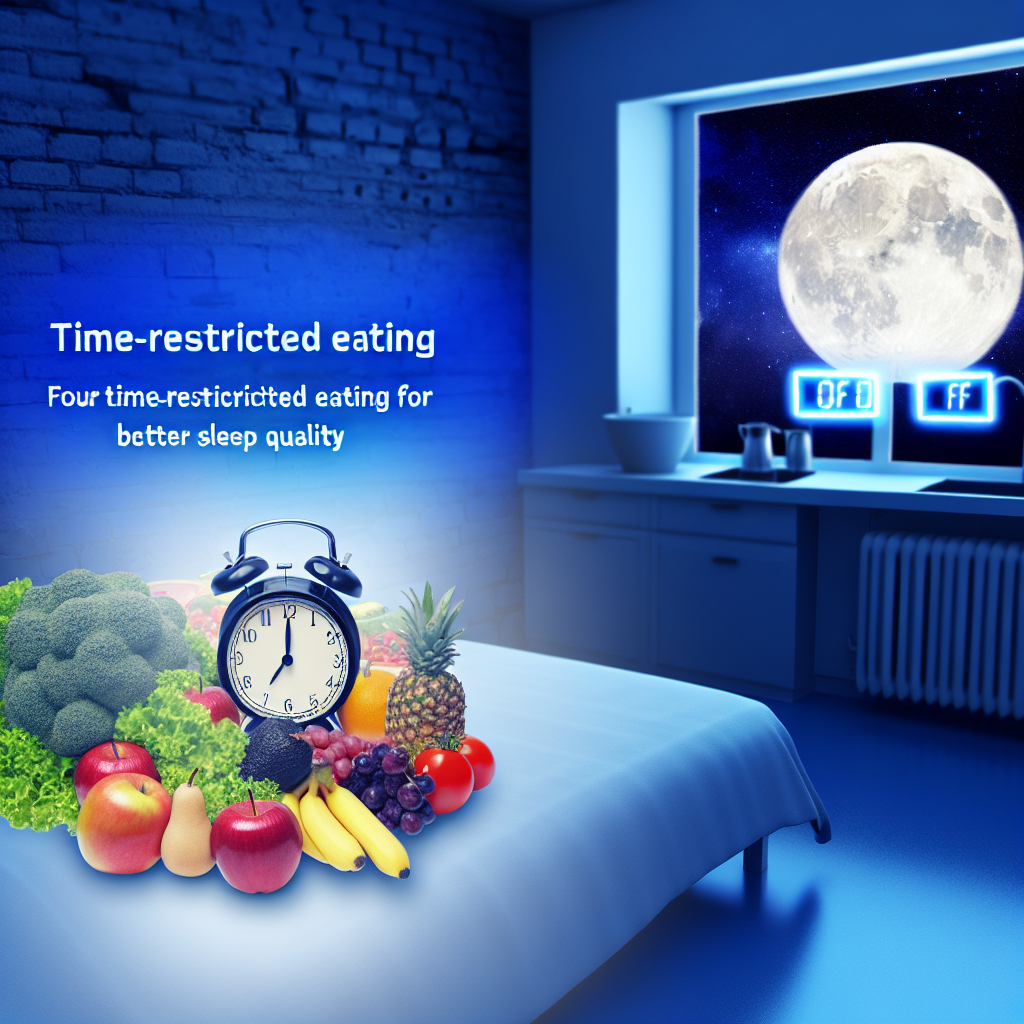
Nutrition also plays a pivotal role in these programs. Retreat dietitians craft bespoke meal plans incorporating foods that support serotonin and melatonin production—such as **tart cherries**, **bananas**, **kiwi**, **pumpkin seeds**, and **magnesium-rich almonds**. Avoiding caffeine, alcohol, and refined sugars is encouraged, especially before bedtime. Beyond the content of meals, **meal timing** is strategically aligned to match each individual’s biological rhythms. As discussed in Frontiers in Nutrition, this field of chrononutrition links meal timing with hormonal regulation, influencing sleep onset and metabolic health.
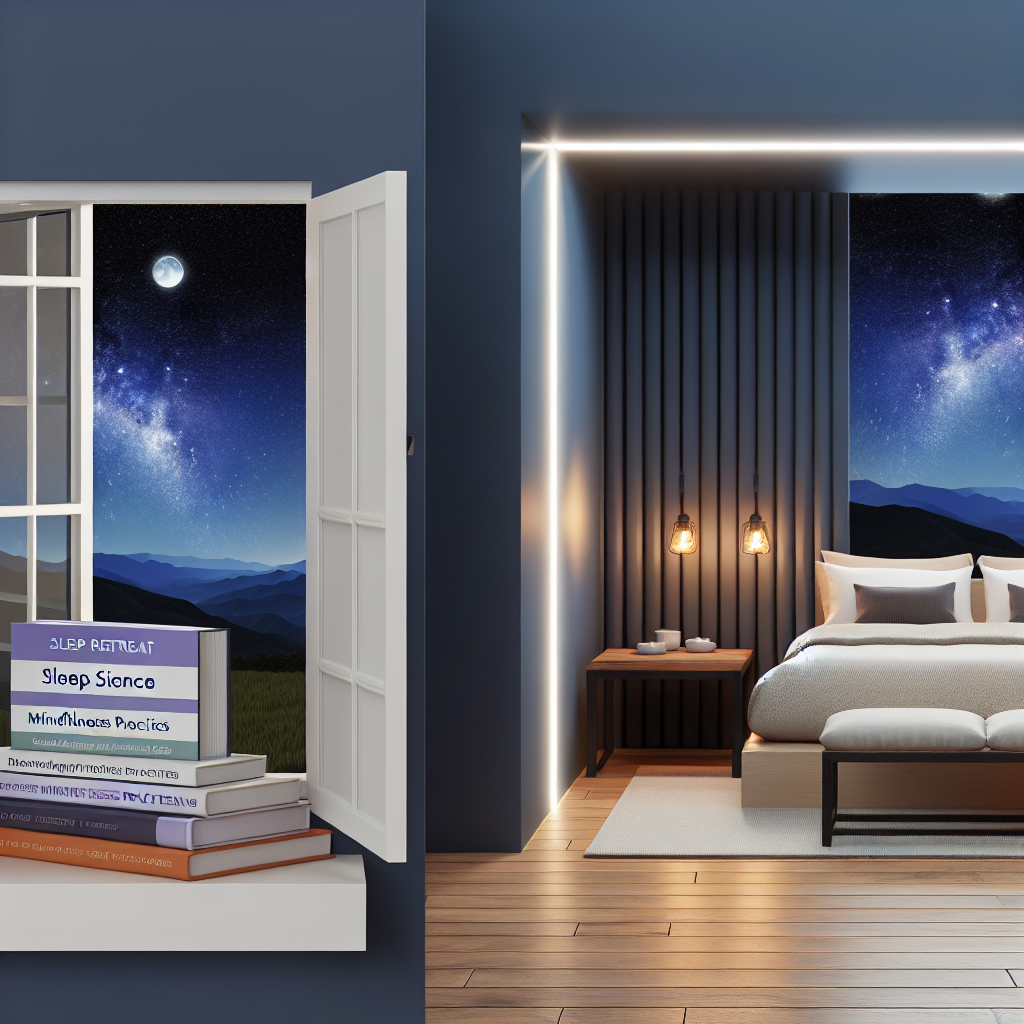
The environmental variables are fine-tuned to perfection—akin to a sleep laboratory hidden beneath tranquil luxury. Bedrooms are optimized using **soundproofing systems**, **ambient lighting that mimics sunset and sunrise**, and **temperature control technologies**. Smart beds adjust mattress firmness in real time and capture biometric sleep data. Some resorts integrate **blue light mitigation**, **oxygen-enriched air purification**, and allergen-free linens to enhance sleep hygiene and respiratory performance.
By combining clinical precision, holistic therapies, and personalized amenities, luxury sleep retreats offer more than rest—they provide strategic sleep rehabilitation designed to impart long-term benefits.
Conclusion
Luxury sleep retreats are revolutionizing the wellness landscape by treating **sleep** not as an afterthought, but as a scientific and spiritual reset. Backed by credentialed experts, advanced sleep tech, and holistic healing modalities, these programs empower individuals to break free from insomnia, reduce stress overload, and reclaim biological harmony.
The incorporation of CBT-I, **circadian rhythm therapy**, **nutritional tuning**, and **environmental optimization** moves sleep care from reactive to proactive. Whether someone suffers from modern sleep disorders or simply aims to rebalance their health, these curated retreats offer solutions grounded in clinical research and luxury-level hospitality. As we face a global sleep deficit, these retreats offer perhaps the most vital luxury of all—deep and lasting rest.
Concise Summary
Luxury sleep retreats combine high-end hospitality with evidence-based medical and holistic interventions to treat insomnia, burnout, and circadian disruption. Utilizing tools like CBT-I, personalized melatonin rhythm syncing, nutrition planning, mindfulness, and sleep tracking technologies, these retreats offer personalized care for sustainable sleep improvement. Supported by scientific literature and clinical best practices, sleep retreats are redefining wellness tourism by turning rest into a scientifically optimized health experience. Set in calming, scenic destinations, they offer a fully immersive solution for meaningful rest and long-term rejuvenation.
References
- American Academy of Sleep Medicine. Cognitive Behavioral Therapy for Insomnia (CBT-I)
- Sleep Journal. “Light and Melatonin Treatment for Circadian Phase Resetting”
- Journal of Clinical Sleep Medicine. “The Validity and Reliability of Consumer Sleep Trackers”
- National Center for Complementary and Integrative Health. “Mind and Body Approaches for Insomnia”
- Frontiers in Nutrition. “Chrono-nutrition: Role of Meal Timing in Obesity and Metabolic Regulation”

Dominic E. is a passionate filmmaker navigating the exciting intersection of art and science. By day, he delves into the complexities of the human body as a full-time medical writer, meticulously translating intricate medical concepts into accessible and engaging narratives. By night, he explores the boundless realm of cinematic storytelling, crafting narratives that evoke emotion and challenge perspectives.
Film Student and Full-time Medical Writer for ContentVendor.com