Sleep Tech Roundup – Integrated System vs Separate Devices
Introduction
In today’s fast-paced, digitally connected world, getting restorative, high-quality sleep has become increasingly challenging. With stress, excessive screen time, irregular schedules, and environmental factors affecting our sleep cycles, many people are turning to sleep technology for relief. The sleep tech industry encompasses a range of tools and gadgets designed to monitor, enhance, and regulate sleeping habits.
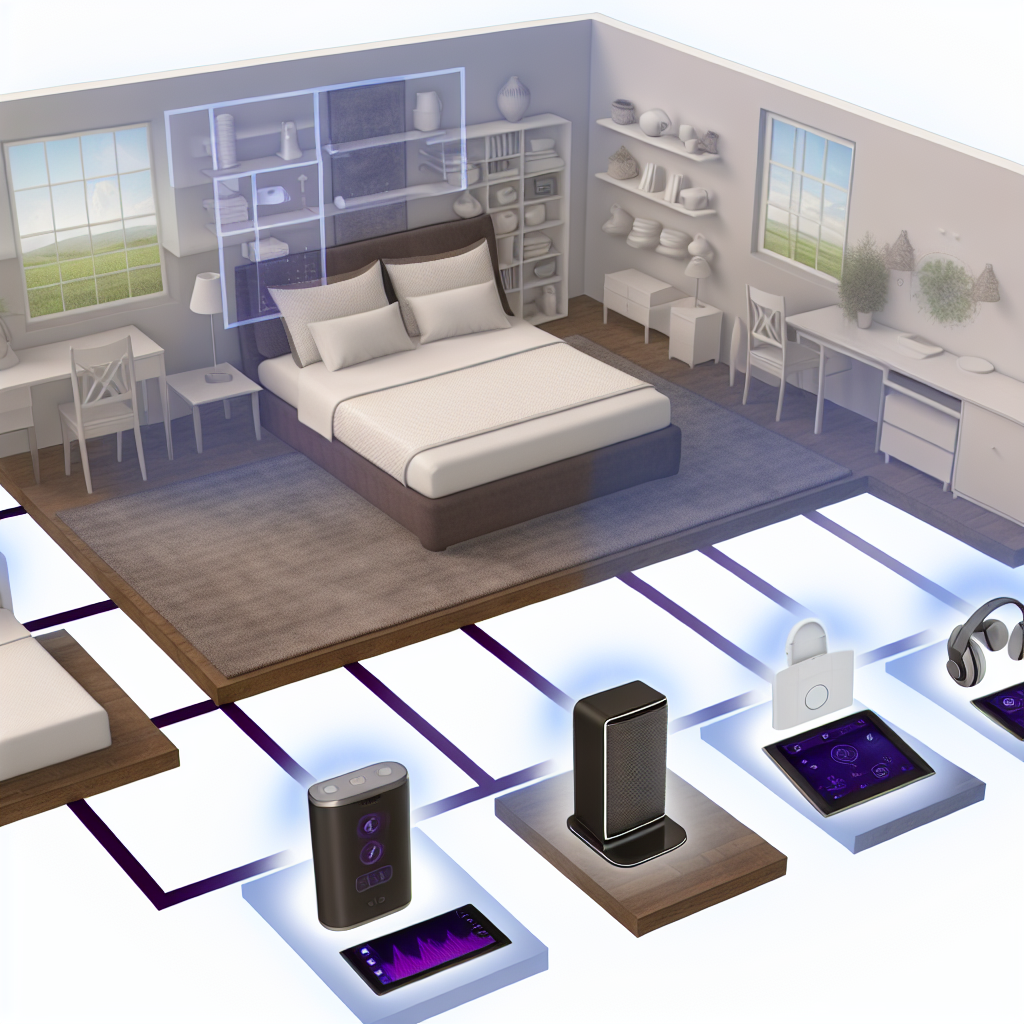
A central debate in this space is whether to use an all-in-one integrated sleep system or a collection of separate sleep devices. Integrated systems offer a seamless suite of features—like sleep tracking, temperature regulation, and smart alarms—in a single, synchronized platform. In contrast, separate devices include items such as wearable sleep trackers, white noise machines, smart beds, and cooling blankets, each solving individual sleep issues.
The right choice depends on your specific sleep needs. Integrated systems cater to those seeking ease of use and comprehensive solutions, while separate devices provide flexibility and customization. Someone focused on tracking REM cycles may lean toward a smartwatch, whereas someone with chronic insomnia might prefer sleep therapy features like ambient lighting and calming soundscapes.
With up to 30% of adults experiencing sleep disruptions according to the Sleep Foundation, sleep tech is becoming a necessary part of bedtime routines. As interest in sleep health grows, understanding the benefits and trade-offs of each approach becomes essential in selecting your ideal solution.
This article will explore recent research, expert insights, and practical considerations to help you decide between an integrated or modular sleep tech setup that best supports your journey toward a better night’s rest.
Features and Research: The Science Behind Sleep Tech
The advancement of sleep technology is deeply rooted in scientific disciplines such as circadian biology, neuroscience, and physiology. Progress in data collection tools like wearable sensors, biometric monitoring, and artificial intelligence has made it easier to monitor and improve sleep quality.
A study from the journal Nature and Science of Sleep (2021) validated the effectiveness of actigraphy tools commonly found in consumer-grade wearables. These devices approximated sleep duration and wake times with precision close to traditional medical methods like polysomnography when used under standardized protocols.
On the integrated side, AI-driven, all-in-one systems can learn and adapt over time. According to a report in Frontiers in Neurology (2019), systems that blend cognitive behavioral therapy for insomnia (CBT-I), biofeedback, and smart environmental controls showed improved outcomes for people with chronic insomnia. Products like the Sleep Number 360 smart bed detect movement, track respiration, and make real-time adjustments to mattress firmness, all integrated in one platform with sleep-coaching tools.
In contrast, separate devices focus on specific intervention types. A study published in the Journal of Clinical Sleep Medicine (2020) showed significant improvement in sleep onset latency (SOL) when using temperature-regulating devices like weighted or cooling blankets. Sound machines and meditation apps have also proven effective for reducing cortisol levels at night, helping users transition more smoothly into restful sleep.
Data privacy has become a noteworthy consideration. Integrated systems often operate within proprietary ecosystems where health data is stored on centralized servers, raising concerns about sensitive information exposure. Meanwhile, individual devices offer users more control over where and how their data is managed—particularly appealing for privacy-conscious users.
Experts agree that both systems can effectively enhance sleep quality if tailored to the individual’s needs. Consulting with a sleep specialist can help determine which tools—whether integrated or separate—align best with your health profile and lifestyle goals.
Conclusion
Sleep technology has shifted from being a futuristic luxury to a health necessity. Whether you choose an all-in-one integrated system or prefer building your toolkit from handpicked devices, both approaches offer powerful solutions to improve your sleep.
Integrated systems shine due to their interoperability, centralized interfaces, and smart automation, making them suitable for users looking for convenience and a coordinated experience. On the other hand, separate devices allow granular personalization, letting users fine-tune their routines with tools that can be upgraded or replaced as needed.
The key is understanding your own sleep habits and identifying your primary concerns—be it insomnia, anxiety, disrupted circadian rhythm, or environmental discomfort. With the right mix of professional advice, accurate data interpretation, and commitment, both integrated and modular sleep tech models can lead you to profound improvements in rest and overall health.
Concise Summary
As sleep technology advances, people are faced with the choice between integrated sleep systems and separate sleep devices. Integrated systems offer seamless, AI-driven experiences ideal for users seeking a one-stop solution, while separate devices deliver flexibility and customization for those addressing specific sleep concerns. Studies support both models in enhancing sleep quality, with tools like smart beds and wearables now approaching clinical accuracy. Privacy, adaptability, and sleep goals play vital roles in choosing the right tech. Ultimately, combining solid data, personal insight, and professional advice will yield the best results on your journey to better sleep.
References
- Sleep Foundation. “How Common is Insomnia?”
- Nature and Science of Sleep. “Comparative Assessment of Consumer-Grade Sleep Trackers”
- Frontiers in Neurology. “The Efficacy of AI and Multi-Modular Therapy in Insomnia Management”
- Journal of Clinical Sleep Medicine. “Temperature Regulation and Its Effect on Sleep Onset Latency”

Dominic E. is a passionate filmmaker navigating the exciting intersection of art and science. By day, he delves into the complexities of the human body as a full-time medical writer, meticulously translating intricate medical concepts into accessible and engaging narratives. By night, he explores the boundless realm of cinematic storytelling, crafting narratives that evoke emotion and challenge perspectives.
Film Student and Full-time Medical Writer for ContentVendor.com