The $1.3 Trillion Sleep Disorder Economy: What Every Founder Is Missing About Oxygen, Algorithms, and Undiagnosed Apnea
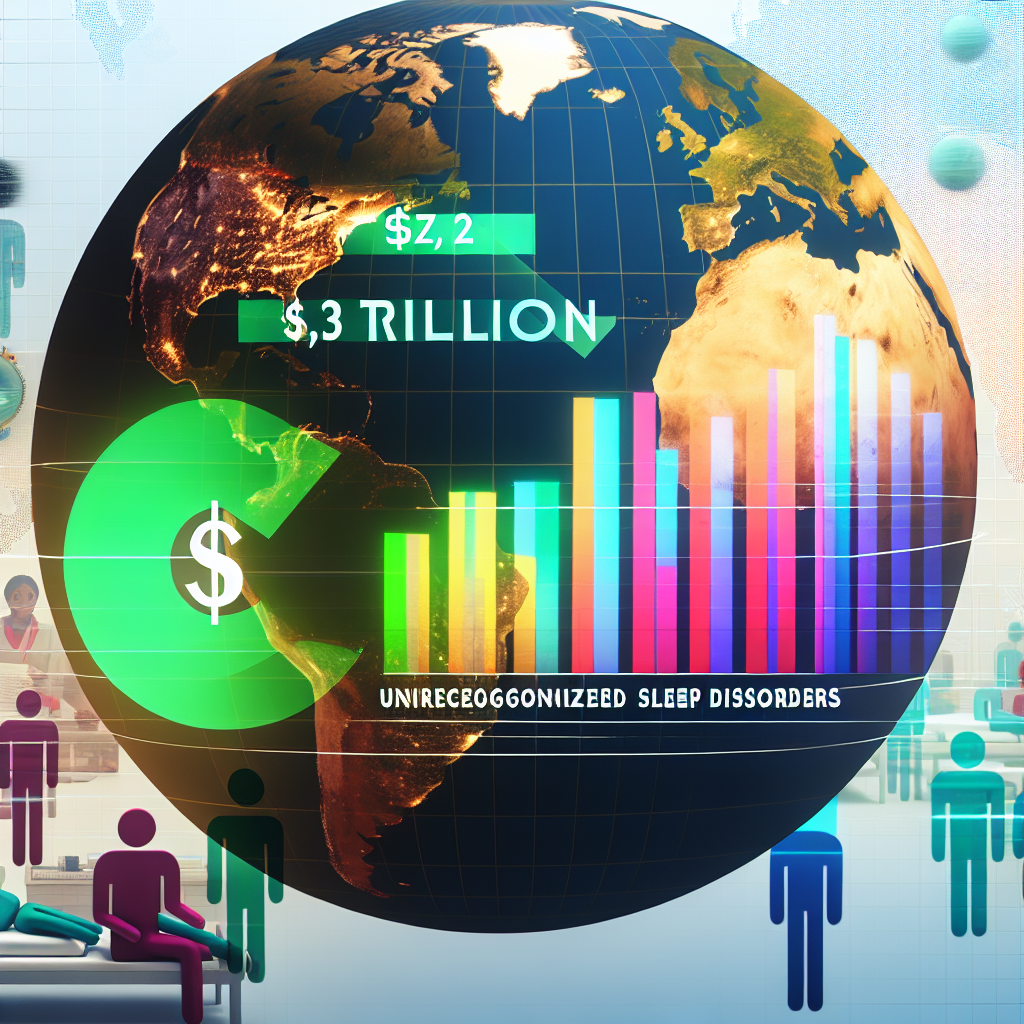
In today’s fast-paced world, **sleep** often takes a backseat to business pursuits. Yet, the economic repercussions of **sleep disorders**, amounting to an astonishing $1.3 trillion globally, should force a change in that mindset. Sleep disorders, particularly **Obstructive Sleep Apnea (OSA)**, are vastly **undiagnosed** and underappreciated in terms of their economic impact. Most **startups** and established businesses alike are unaware that addressing sleep health could enhance productivity, reduce healthcare costs, and improve overall employee well-being.
Sleep apnea is characterized by episodes of paused breathing due to airway collapse during sleep, leading to fragmented rest and severe health consequences. This disorder is prevalent, affecting approximately one billion people worldwide, yet a significant number remain undiagnosed. The disorder’s impact is twofold: personal health degradation and economic inefficiencies. Without restful sleep, individuals experience reduced cognitive function, which leads to decreased work performance and productivity. For companies, this translates into lost man-hours and increased absenteeism, exacerbating operational costs.
**Technological advancements** offer new avenues to transform this sleep disorder landscape. Innovative **health-tech startups** are leveraging algorithms to revolutionize diagnosis and treatment. **Wearable devices**, utilizing **data analytics** and **machine learning**, are detecting sleep apnea more accurately than ever before. These devices monitor **oxygen levels** and sleep patterns, enabling early diagnosis and ongoing monitoring. Such advancements not only promise better health outcomes but also signify a potential reduction in healthcare expenses, critical for strapped company budgets.
There is a huge business opportunity in the sleep sector for company founders to tap into. Improving sleep health can lead to enhanced productivity and a healthier workforce, subsequently reducing the financial burden on the economy. Incorporating sleep health initiatives into corporate wellness programs can foster a more engaged and efficient workforce. As attention on preventive healthcare rises, the integration of sleep health into this paradigm is both timely and essential.
Features
Research has consistently highlighted the profound impact of sleep apnea on both individuals and economies. A study published in the journal “[Sleep](https://academic.oup.com/sleep/article/39/8/1409/2454187)” indicated that undiagnosed sleep apnea economically burdens the United States with an estimated $149.6 billion per year. These costs derive from direct medical expenses, **workplace accidents**, and productivity losses. Misdiagnosis or lack of diagnosis exacerbates these figures, indicating a widespread need for accessible diagnostic tools and treatment options.
Recent studies emphasize the effectiveness of technology in sleep monitoring. The use of wearable technology integrated with robust data analytics shows promise in diagnosing sleep apnea. A notable study in the “[Journal of Clinical Sleep Medicine](https://jcsm.aasm.org/articles/10.5664/jcsm.8270)” found that wearable devices equipped with machine learning algorithms had a high accuracy rate, nearly matching traditional polysomnography tests. This paradigm shift in diagnosis makes sleep health interventions more accessible and cost-effective.
Furthermore, the role of **Continuous Positive Airway Pressure (CPAP) therapy** in treating sleep apnea is well-documented. A meta-analysis published in “[The Lancet Respiratory Medicine](https://www.thelancet.com/journals/lanres/article/PIIS2213-2600(13)70000-6/fulltext)” confirmed that CPAP not only improves sleep quality but also reduces the risk of associated comorbidities like hypertension and diabetes. Such interventions can significantly cut down on long-term healthcare costs and improve life quality, marking them as essential investments for companies concerned with employee well-being.
Emerging research is also pointing to the role of algorithms in customizing treatment plans. By analyzing large datasets, these algorithms consider individual sleep patterns and lifestyle factors to tailor interventions, increasing the likelihood of adherence and successful treatment outcomes.
Conclusion
The **sleep disorder economy** represents a frontier of untapped potential that company founders and health-tech innovators should not overlook. As our understanding of sleep’s critical role in health and economic productivity deepens, it becomes evident that addressing sleep disorders like apnea can yield substantial benefits. Leveraging technology to harness data-driven insights offers a pathway to improved sleep health, reduced costs, and enhanced employee performance. By acknowledging the synergy between oxygen, algorithms, and undiagnosed **apnea**, founders can champion a sleep health revolution that may very well redefine the future of workplace wellness and economic vitality. Embracing these innovations is not just smart business—it’s a powerful step towards a healthier, more productive global workforce.
Concise Summary:
The global impact of sleep disorders, particularly **Obstructive Sleep Apnea**, costs an estimated $1.3 trillion annually due to undiagnosed and untreated cases affecting productivity and health. **Technological advancements** such as wearable devices and **algorithms** are revolutionizing diagnosis and treatment, making interventions more accessible and cost-effective. Incorporating sleep health into corporate wellness programs enhances productivity and reduces healthcare costs. Studies indicate that interventions like CPAP therapy improve quality of life and reduce related health risks. Businesses and innovators should recognize this untapped potential to transform workplace wellness and economic productivity through improved sleep health.

Dominic E. is a passionate filmmaker navigating the exciting intersection of art and science. By day, he delves into the complexities of the human body as a full-time medical writer, meticulously translating intricate medical concepts into accessible and engaging narratives. By night, he explores the boundless realm of cinematic storytelling, crafting narratives that evoke emotion and challenge perspectives.
Film Student and Full-time Medical Writer for ContentVendor.com