The Anxiety-Induced Insomnia Toolkit – A Layered Approach from Herbal Nervines to Sleep Restriction
Introduction: Understanding the Intersection of Anxiety and Insomnia
In today’s high-pressure world, sleep disorders are increasingly common, with insomnia standing out as a top complaint. While poor sleep can stem from many causes, anxiety is a major trigger. Anxiety-induced insomnia is more than occasional restlessness—it reflects a chronic pattern in which the mind refuses to quiet down, typically resulting in racing thoughts at bedtime, restlessness in the middle of the night, and fatigue during the day.
This creates a self-reinforcing loop: anxiety disrupts sleep, and sleep deprivation worsens anxiety. Over time, this cycle damages emotional regulation, concentration, and overall health, making it essential to adopt an effective strategy that goes beyond surface-level solutions.
Typical sleep aids may offer temporary relief but rarely target the root cause—an overstimulated nervous system often wired by chronic stress. That’s why a layered, holistic treatment strategy is vital. Combining therapeutic interventions such as CBT-I (Cognitive Behavior Therapy for Insomnia), relaxation techniques, herbal supports, and structured sleep patterns can help establish long-term, effective sleep recovery.
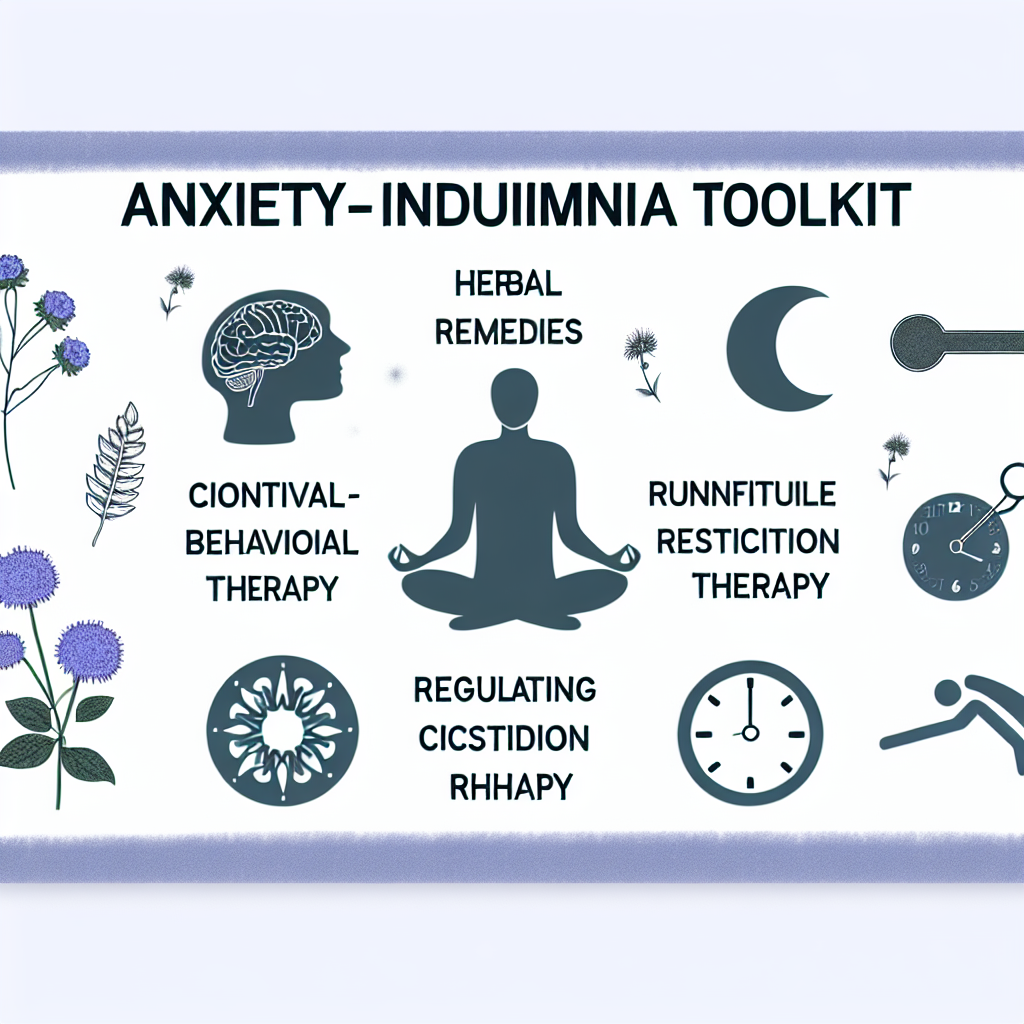
The Anxiety-Induced Insomnia Toolkit offers this integrative pathway, designed to calm the nervous system, reset sleep cycles, and empower individuals to regain restful nights. Whether you’re a student juggling exams, a professional managing deadlines, or an older adult adjusting to life transitions, this toolkit delivers proven methods backed by science and adaptable for each individual.
Features: Evidence-Based Support for a Multi-Tiered Sleep Strategy
1. Herbal Nervines: Nature’s Gentle Balm for the Nervous System
Herbal nervines are plants that gently support and nourish the nervous system, helping reduce mental tension without causing grogginess the next day. Herbs like valerian root, passionflower, lemon balm, and chamomile are traditionally valued for their calming properties.
Recent research affirms their efficacy. A randomized, double-blind controlled trial published in Phytomedicine found that valerian significantly improved sleep quality in individuals with insomnia—unlike many pharmaceutical options, without causing next-day drowsiness ([source](https://www.sciencedirect.com/science/article/abs/pii/S0944711304701655)).
Using herbal nervines can serve as a gentle entry point for individuals hesitant about pharmaceutical interventions or those seeking complementary support alongside behavioral therapy.
2. Cognitive Behavior Therapy for Insomnia (CBT-I)
CBT-I is widely regarded as the most effective long-term treatment for chronic insomnia. Rather than just promoting sleep, CBT-I restructures thought patterns and habits that undermine sleep. It teaches individuals to:
– Relate the bed only with sleep (and not worry or screen time)
– Challenge negative thoughts like “I’ll never fall asleep”
– Implement consistent sleep/wake times
A meta-analysis in Sleep journal confirmed that CBT-I is more effective than medication in reducing the time it takes to fall asleep and improving overall sleep quality in the long term.
CBT-I typically involves four to six weekly sessions and is often available online through apps or telehealth programs, making it more accessible than ever.
3. Sleep Restriction Therapy (SRT)
Sleep Restriction Therapy is a paradoxical but effective technique, usually incorporated within CBT-I. Rather than trying to stay in bed longer, SRT limits the amount of time you spend in bed to the time you actually sleep—thereby increasing your “sleep pressure” and making your sleep more efficient.
It retrains your brain to associate bed with sleep instead of wakeful frustration. A study in the Journal of Psychosomatic Research found that SRT effectively reduced insomnia symptoms arising from anxiety in both younger and older populations.
Initially it may cause sleep deprivation, but over days, sleep becomes deeper and easier to achieve.
4. Mindfulness and Relaxation Techniques
Mindfulness meditation, deep breathing, progressive muscle relaxation (PMR), and visualization exercises are time-tested approaches that calm mental chatter and prepare the body for rest.
A 2015 JAMA Internal Medicine study found that older adults with moderate sleep disturbances significantly improved their sleep quality after a mindfulness-based intervention.
Mindfulness helps by lowering cortisol levels (the stress hormone), decreasing nighttime rumination, and training the mind to stay present—a key skill for those whose anxiety often spirals out of control at bedtime.
5. Lifestyle Regulation: Exercise, Nutrition, and Light Exposure
Daily habits profoundly influence the sleep-wake cycle. Engaging in regular physical activity, especially in the morning or early afternoon, helps promote restorative sleep. Nutritional intake supports sleep physiology—foods rich in magnesium, calcium, and B vitamins are especially useful in calming anxious states.
Equally critical is light exposure. Morning sunlight exposure for 15–30 minutes supports robust melatonin production by night. Avoiding blue light from screens in the evening also helps regulate your circadian rhythm.
Research from the National Center for Biotechnology Information (NCBI) shows that circadian alignment techniques—including timed light exposure—can drastically improve sleep for people struggling with anxiety-related sleep disorders.
Conclusion: Building a Personalized Path to Restful Sleep
Curing anxiety-induced insomnia is not about a single solution; it’s about a system that supports sustainable change. The Anxiety-Induced Insomnia Toolkit brings together a blend of science-backed strategies that address multiple layers of the sleep disorder—from nervous system regulation through herbal nervines to sleep pattern retraining with CBT-I and SRT.
The strength of this toolkit lies in its flexibility. No two people experience insomnia the same way, and it often takes patience to find the right combination of tools that work. But when consistently applied, this layered method can help break the cycle of anxiety and sleeplessness and restore your body’s natural rest-wake balance.
Use the steps as building blocks, not rigid rules. Start where you are—whether it’s a calming bedtime tea, a mindfulness practice, or setting a firm wake-up time. Trust the process and tailor your toolkit to meet your evolving needs for a future filled with deeper, more restorative sleep.
Concise Summary
Anxiety-induced insomnia is a debilitating sleep issue caused by chronic stress and mental overactivation. Addressing it requires a layered approach—not just quick fixes. The Anxiety-Induced Insomnia Toolkit combines herbal supports like valerian root, behavioral therapies such as CBT-I and sleep restriction, mindfulness practices, and lifestyle shifts in exercise, nutrition, and light exposure. Together, these strategies soothe the nervous system, retrain the brain’s sleep habits, and rebuild healthy circadian rhythms. It’s a flexible, science-backed pathway to sustainable, restful sleep that can be tailored to the unique needs of each individual.
References
– Valerian for insomnia: https://www.sciencedirect.com/science/article/abs/pii/S0944711304701655
– CBT-I efficacy: https://academic.oup.com/sleep/article/27/3/459/2696794
– Sleep restriction therapy: https://www.sciencedirect.com/science/article/abs/pii/S0022399917300011
– Mindfulness meditation: https://jamanetwork.com/journals/jamainternalmedicine/fullarticle/2110998
– Circadian rhythm therapy: https://www.ncbi.nlm.nih.gov/pmc/articles/PMC6638054/

Dominic E. is a passionate filmmaker navigating the exciting intersection of art and science. By day, he delves into the complexities of the human body as a full-time medical writer, meticulously translating intricate medical concepts into accessible and engaging narratives. By night, he explores the boundless realm of cinematic storytelling, crafting narratives that evoke emotion and challenge perspectives.
Film Student and Full-time Medical Writer for ContentVendor.com