The Comprehensive Sleep Sanctuary Blueprint – Integrating Technology, Environment, and Behavior for Perfect Rest
Introduction
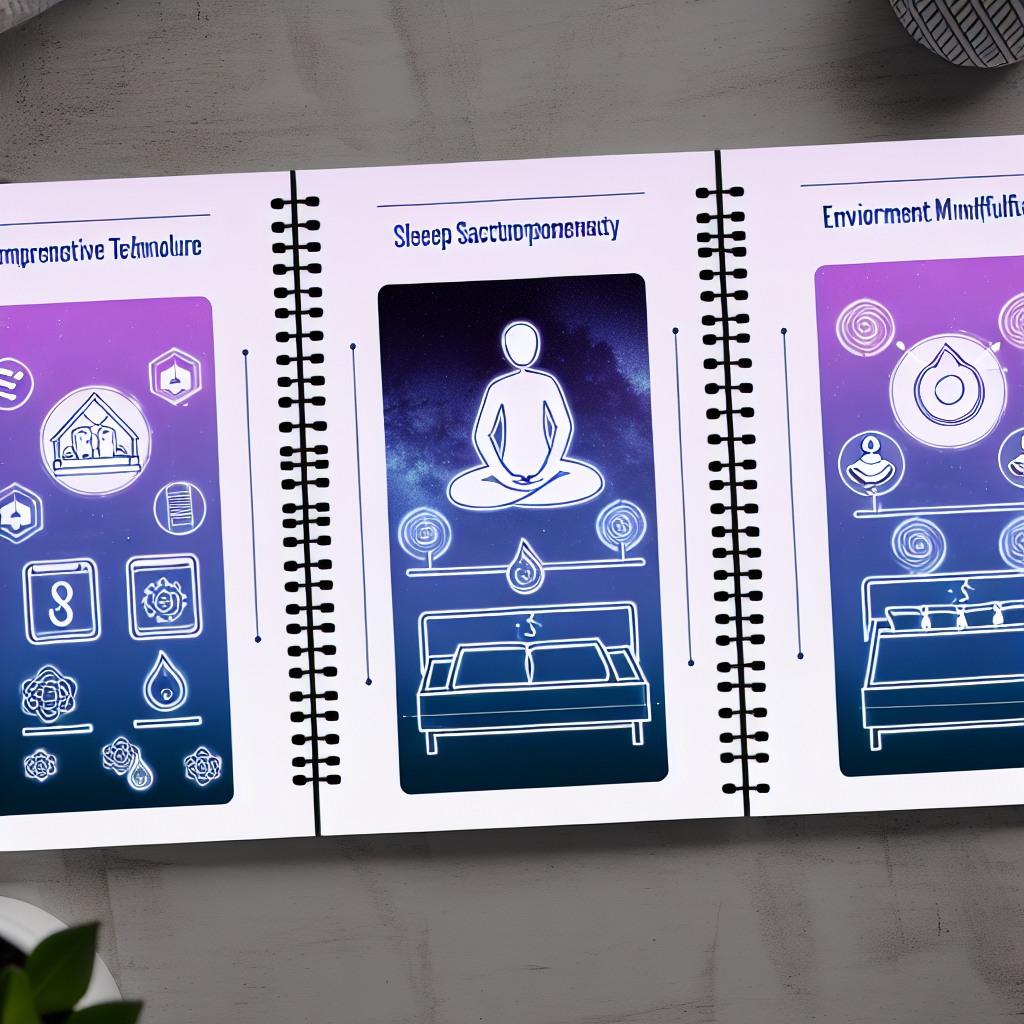
In a world that seemingly never sleeps, achieving perfect rest is increasingly challenging. Modern lifestyles, marked by constant connectivity and digital overload, have disrupted our **sleep patterns** and behaviors. As understanding of **sleep science** has evolved, experts have devised a nuanced blueprint to achieve better sleep. This blueprint integrates three core components: **technology**, **environment**, and **behavior**. Technology, often perceived as a sleep disruptor, surprisingly offers tools such as **smart sleep devices** and apps that enhance our sleep habits. By monitoring **sleep cycles** and providing valuable insights, technology empowers individuals to improve their sleep health significantly.
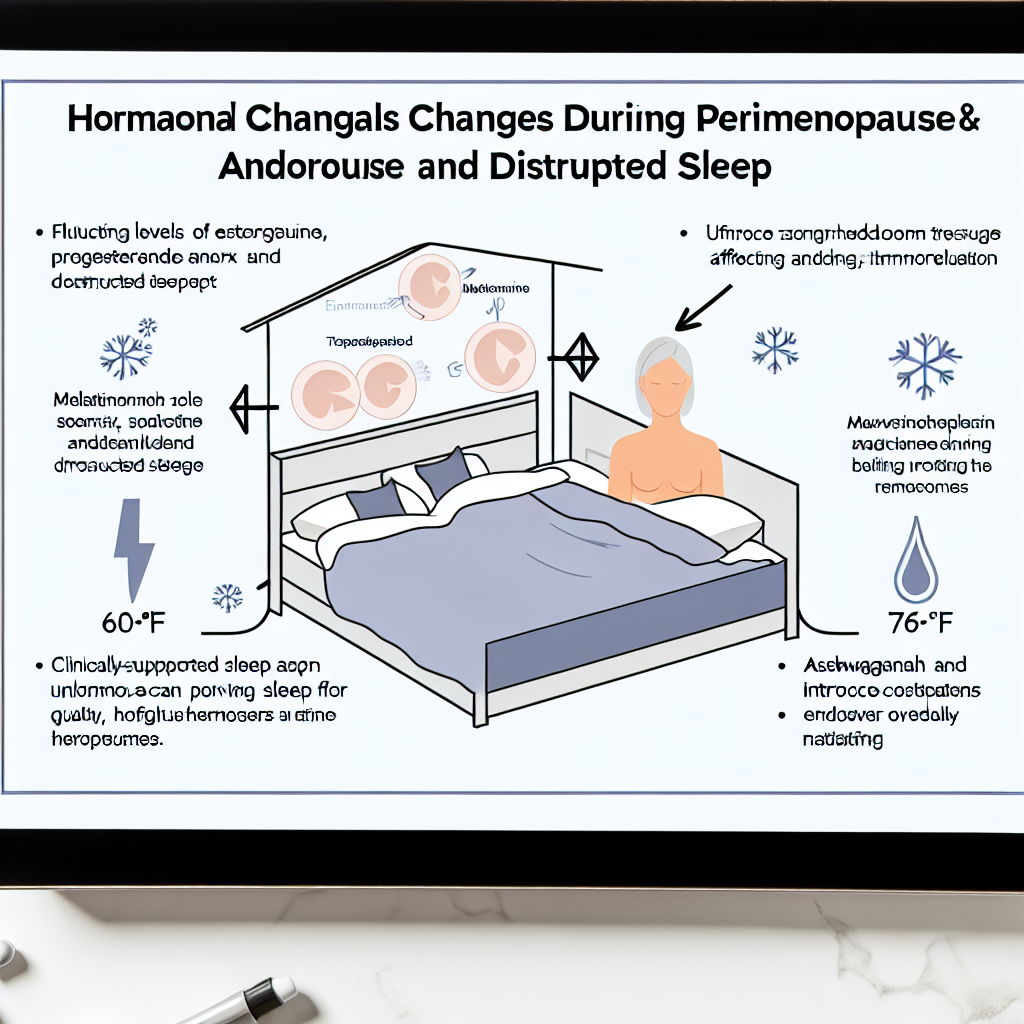
The environment plays a crucial role as well, with sleep scientists advocating for **sleep-conducive environments** that promote relaxation. Factors like **temperature control**, **lighting**, and sound influence sleep quality. Recent studies emphasize the importance of these environmental elements, underscoring the necessity of creating a **sleep sanctuary** for restorative rest.
Additionally, **behavioral changes** are critical in the sleep sanctuary blueprint. These include maintaining consistent **sleep schedules**, practicing relaxation techniques, and adopting mindful bedtime habits, all of which signal our bodies to wind down. Combined, these elements provide a holistic approach to transforming your sleep experience, enabling the creation of a personalized sanctuary where rest is optimized.
Features
Technology’s integration into sleep health management has been transformative. A study in [Nature and Science of Sleep](https://www.dovepress.com/nature-and-science-of-sleep-journal) correlates the use of smart sleep trackers with increased sleep awareness and improved **sleep hygiene**. These devices collect data, helping users recognize **sleep disruptions** and propose modifications. The [American Academy of Sleep Medicine](http://www.aasm.org) highlights the effectiveness of **Cognitive Behavioral Therapy for Insomnia (CBT-I)**, often facilitated through apps and online platforms. By altering harmful sleep-related thoughts and behaviors, CBT-I improves sleep quality for chronic insomniacs.
Environmental aspects also find backing in scientific studies. A 2018 study in [Sleep Health Journal](https://www.journalsleep.org) shows room temperature significantly affects **sleep efficiency**. Participants in cooler settings achieved deeper, more restorative sleep. Complementing this, the [Journal of Clinical Sleep Medicine](https://jcsm.aasm.org) emphasizes limiting **blue light exposure** from screens, enhancing **melatonin production** and promoting better sleep onset and quality.
**Behavioral adjustments**, often overshadowed by tech solutions, are equally effective. A [Journal of Sleep Research](https://onlinelibrary.wiley.com/journal/13652869) review stresses the importance of sleep consistency. Participants maintaining regular sleep schedules, regardless of weekdays or weekends, reported improved sleep health. Together, these elements form a comprehensive approach to achieving optimal sleep environments, addressing both sleep quality and overall well-being.
Conclusion
Achieving perfect rest through a comprehensive sleep sanctuary blueprint requires a multifaceted approach. Leveraging **technology** provides insights into sleep patterns, empowering necessary changes. Optimizing the **sleep environment** ensures physical surroundings conducive to rest, while **behavioral adjustments** establish essential routines for improved sleep quality. This integration reflects a holistic method to overcome modern sleep challenges. Constructing a sleep sanctuary enhances sleep quality, laying the foundation for better health, productivity, and satisfaction. For those craving deeper, more restorative sleep, this blueprint offers a pathway to embracing sleep as a cornerstone of well-being.
**Summary**
The pursuit of optimal sleep necessitates a comprehensive approach that integrates **technology**, **environment**, and **behavior**. Technology, such as smart sleep devices and **CBT-I**, offers valuable insights and solutions. The environment, influenced by temperature and light, plays a critical role in sleep quality. Behavioral adjustments, particularly consistent sleep schedules, significantly impact rest. By embracing these elements, individuals can create a personalized sleep sanctuary, addressing modern sleep challenges and improving overall health, productivity, and life satisfaction. This blueprint provides a multifaceted strategy for achieving deeper, **restorative sleep** as a foundation for well-being.

Dominic E. is a passionate filmmaker navigating the exciting intersection of art and science. By day, he delves into the complexities of the human body as a full-time medical writer, meticulously translating intricate medical concepts into accessible and engaging narratives. By night, he explores the boundless realm of cinematic storytelling, crafting narratives that evoke emotion and challenge perspectives.
Film Student and Full-time Medical Writer for ContentVendor.com