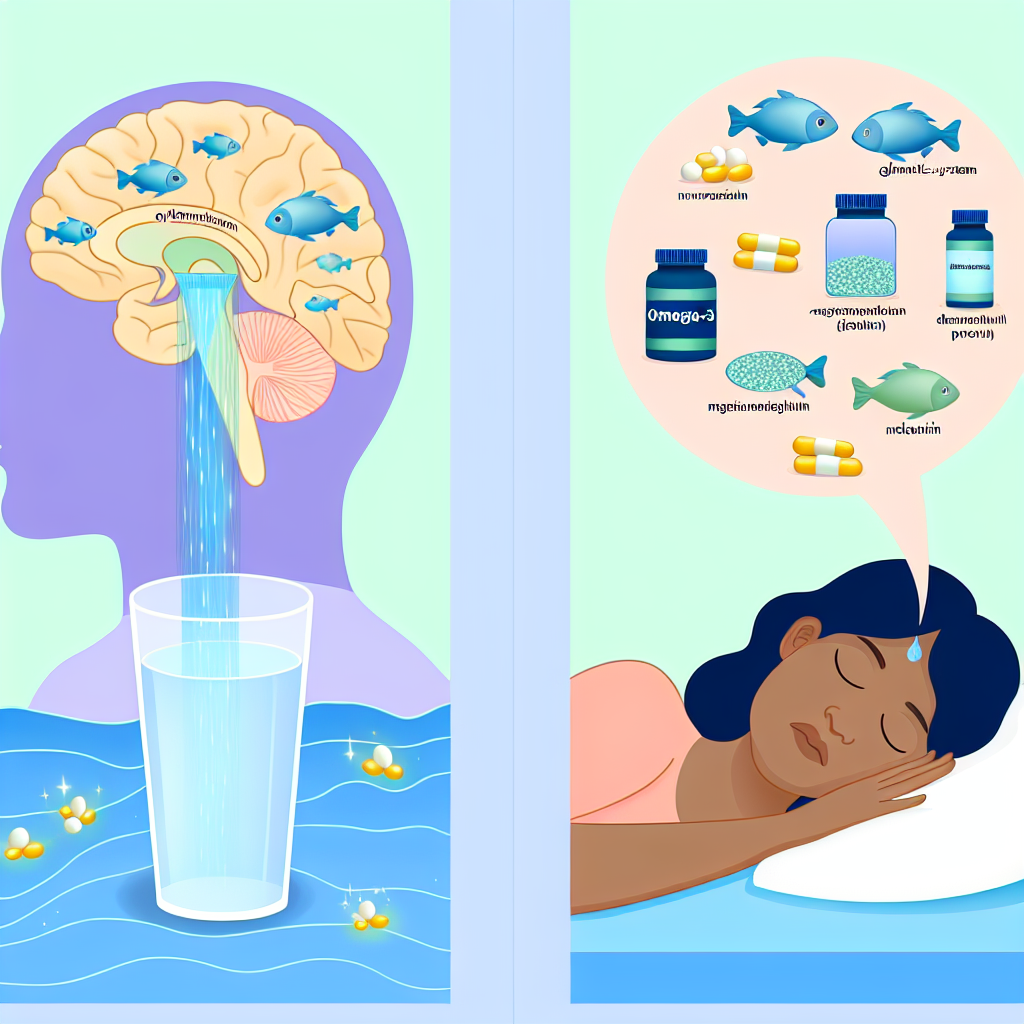
The Glymphatic System Optimization Plan – Sleep Positions and Supplements to Enhance Brain Detox
Introduction
In today’s high-speed digital age, quality sleep is often sacrificed in favor of productivity or screen time. However, recent neuroscience reveals that sleep is far more than a passive energy restoration process—it plays an active and vital role in maintaining brain health. A key mechanism in this maintenance is the recently discovered glymphatic system, which functions as the brain’s waste removal and detoxification system.
Unlike the rest of the body, the brain doesn’t have a standard lymphatic system. Instead, it uses a unique system comprising perivascular pathways formed by glial cells. These channels facilitate the circulation of cerebrospinal fluid (CSF) and interstitial fluid (ISF) to wash away metabolic waste such as beta-amyloid and tau proteins, both of which have been implicated in neurodegenerative diseases such as Alzheimer’s and Parkinson’s.
The glymphatic system operates most efficiently during deep sleep. This discovery suggests that sleep is not merely a passive activity but a critical window during which the brain heals and detoxifies itself. Understanding and optimizing this system offers exciting new ways to not only preserve brain function but potentially prevent cognitive decline.
Small changes—like adjusting sleep positions or taking certain supplements—can support this crucial biological system. These insights are especially valuable for adults pursuing sharper cognition, teenagers seeking better academic performance, and older individuals aiming to safeguard long-term neurological function.
Scientific Features: Research Supporting Glymphatic Optimization
Sleep and Brain Detoxification
In a landmark study published in Science in 2013, researchers led by Xie et al. found that during sleep, the brain’s interstitial space increases by 60%, enabling enhanced clearance of neurotoxins such as beta-amyloid. This suggests that quality sleep isn’t just facilitating rest—it’s physically clearing harmful proteins that build up while we’re awake.
Sleep Position Matters
One of the most fascinating pieces of glymphatic research involves body posture during sleep. A 2015 study in the Journal of Neuroscience by Lee et al. found that rodents sleeping on their side (lateral position) had more efficient glymphatic transport compared to those sleeping on their back (supine) or stomach (prone). The side-sleeping posture appears to leverage gravity and neurological anatomy to enhance fluid movement, helping flush out brain waste more rapidly.
This finding aligns with human sleep trends as well—sleeping on one’s side is the most common position and may have evolved as a practical mechanism to optimize brain health during rest. For those concerned about cognitive longevity, simply adjusting how they sleep could be a low-effort, high-reward intervention.
Supplements That Support Glymphatic Health
Diet and supplementation also play a crucial role in optimizing brain detox.
- Omega-3 Fatty Acids: Known for their anti-inflammatory properties, Omega-3s—particularly DHA—also support glymphatic activity. A study from The Journal of Experimental Medicine (2018) demonstrated that DHA supplementation improved brain waste clearance and reduced inflammation in mice. This makes Omega-3s attractive not only for heart health but also for protecting brain function over time.
- Magnesium: Often overlooked, magnesium supports deep sleep and neural stability. A 2020 review in Nutrients explored how this mineral influences aging and neuroprotection, possibly through maintaining neuronal membrane integrity and aiding in fluid regulation that supports glymphatic flow.
- Melatonin: Beyond its role in regulating the sleep-wake cycle, melatonin is a powerful antioxidant. A 2017 study in Frontiers in Cellular Neuroscience showed that melatonin reduces oxidative stress and has anti-inflammatory effects on the central nervous system. It may also help orchestrate the timing of glymphatic activity by synchronizing circadian rhythms.
Stay Hydrated
While often underestimated, hydration is a non-negotiable factor in maintaining proper cerebrospinal fluid dynamics. As highlighted in a study from the British Journal of Nutrition, even mild dehydration can impair cognitive function. Adequate water intake helps preserve the pressure gradients and fluid volumes necessary for optimal glymphatic flow.
Aim for at least 8 glasses of water a day, or adjust based on activity level, climate, and age. Hydration supports not just your body—but your brain’s own nightly cleansing routine.
Conclusion
The discovery of the glymphatic system has transformed our understanding of sleep and brain maintenance. Leveraging this knowledge requires only a few thoughtful steps: prioritize lateral (side) sleeping positions, maintain consistent hydration, and explore the intelligent use of neuro-supportive supplements like Omega-3 fatty acids, magnesium, and melatonin.
These evidence-based strategies are easy to incorporate yet have the potential for lifelong benefits. Whether you’re seeking improved focus as a student, striving to avoid cognitive decline in later years, or simply trying to get the most out of your sleep, these interventions can make a meaningful difference.
So tonight, turn onto your side, drink a glass of water, and consider nutraceutical support—your future brain may just reward you with clarity, resilience, and vitality.
Concise Summary
The glymphatic system, which detoxes the brain during sleep, is essential for long-term cognitive health. Optimization involves sleeping on your side to enhance cerebrospinal fluid flow, staying well-hydrated, and incorporating key supplements like Omega-3 DHA, magnesium, and melatonin. These science-backed strategies promote waste clearance, reduce neuroinflammation, and may lower the risk of Alzheimer’s and other neurodegenerative diseases. Minor lifestyle adjustments such as improved sleep posture and nutrient intake can yield major benefits in brain detox and overall neural performance.
References
- Xie, L. et al. (2013). Sleep Drives Metabolite Clearance from the Adult Brain. Science.
- Lee, H. et al. (2015). The Effect of Body Posture on Brain Glymphatic Transport. Journal of Neuroscience.
- Lundgaard, I. et al. (2018). Dietary Omega-3 Fatty Acids Enhance Brain Function. The Journal of Experimental Medicine.
- Barbagallo, M., & Dominguez, L. J. (2020). Magnesium and Aging. Nutrients.
- Reiter, R. J., et al. (2017). Melatonin in Neurodegenerative Diseases. Frontiers in Cellular Neuroscience.
- Edmonds, C. J., & Burford, D. (2009). The Effects of Drinking Water on Cognition. British Journal of Nutrition.

Dominic E. is a passionate filmmaker navigating the exciting intersection of art and science. By day, he delves into the complexities of the human body as a full-time medical writer, meticulously translating intricate medical concepts into accessible and engaging narratives. By night, he explores the boundless realm of cinematic storytelling, crafting narratives that evoke emotion and challenge perspectives.
Film Student and Full-time Medical Writer for ContentVendor.com