The Gut-Brain-Sleep Axis Protocol – Targeted Prebiotics and Probiotics for Neurotransmitter Balance
**Introduction:**
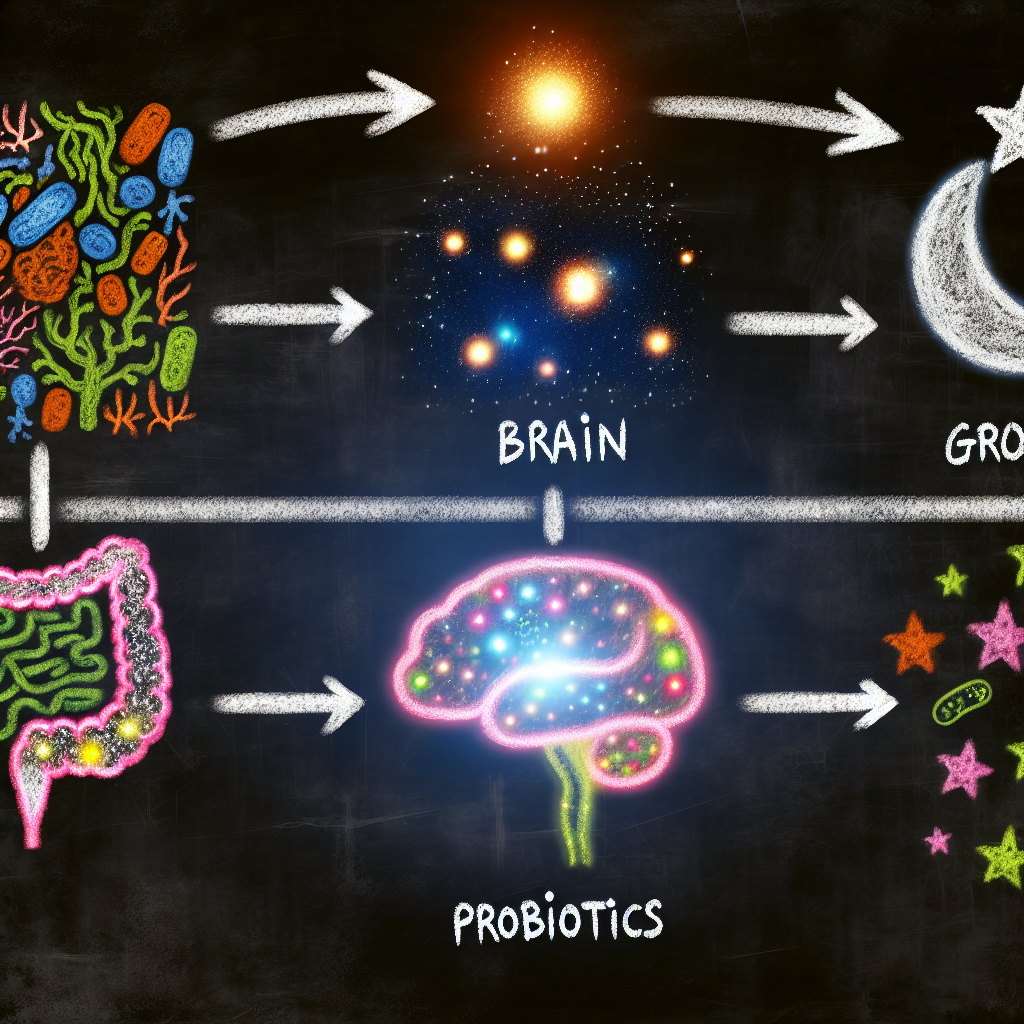
In recent years, the intriguing connection between our **gut** and **brain** has emerged as a central focus in understanding overall health and well-being. This **gut-brain connection** plays a pivotal role in many bodily functions, including **sleep**, which is vital for maintaining physical and mental health. The concept of the **gut-brain-sleep axis** underscores how **gut health** influences **sleep quality** through complex pathways between the **gut microbiota** and the brain. Central to this relationship is the production and regulation of **neurotransmitters**—chemical messengers that influence mood, sleep, and cognitive functions.
**Neurotransmitters** such as **serotonin**, **dopamine**, and **gamma-aminobutyric acid (GABA)** are significantly impacted by the health of our **gut microbiome**. **Serotonin**, often referred to as the “feel-good” hormone, is largely produced in the gut and is crucial for mood regulation and initiating sleep. **GABA** serves as an inhibitory neurotransmitter that aids relaxation and supports deeper stages of sleep. Ensuring the balance of these neurotransmitters is essential to fostering restful and restorative sleep.
An emerging area of research reveals that targeted **prebiotics** and **probiotics** can help achieve neurotransmitter balance by nourishing the gut microbiome. **Prebiotics** are specialized plant fibers that feed beneficial bacteria, whereas **probiotics** are live bacteria that help replenish the microbiome. By incorporating specific strains of these microorganisms, one can potentially enhance the production of neurotransmitters, thus improving sleep quality.
This discussion on the **gut-brain-sleep axis protocol** demonstrates the potential of targeted prebiotics and probiotics as non-pharmaceutical interventions for better sleep quality. Understanding this connection not only opens the door to new sleep treatment possibilities but also highlights the importance of a balanced diet and healthy gut microbiota for optimal sleep health across all ages.
Features:
Recent scientific studies offer fascinating insights into how the **gut-brain-sleep axis** can be modulated through prebiotics and probiotics, impacting neurotransmitter balance and, consequently, sleep health. A study published in the journal [*Nutrients*](https://www.ncbi.nlm.nih.gov/pmc/articles/PMC6083835/) explored the role of probiotic supplementation in enhancing sleep quality. Researchers found that specific strains, such as **Bifidobacterium** and **Lactobacillus**, could enhance gut flora, leading to increased production of serotonin and improved sleep patterns.
Another pivotal study highlighted in [*Frontiers in Psychiatry*](https://www.frontiersin.org/articles/10.3389/fpsyt.2016.00021/full) examined prebiotics’ capacity to affect non-REM sleep. The study revealed that dietary prebiotics not only supported beneficial gut bacteria but also modulated several key aspects of sleep physiology. This included an increase in non-REM sleep and reduced sleep interruptions, likely attributed to the modulation of stress-related hormones and an increase in serotonin biosynthesis.
Moreover, the intersection of gut health and mental health provides further evidence of the sleep-enhancing benefits of probiotics. A review of clinical trials suggested that probiotics could mitigate anxiety and depression symptoms, both of which are closely linked to poor sleep quality. By stabilizing mood and reducing stress through neurotransmitter modulation, probiotics present a holistic approach to improving sleep hygiene.
The microbiota-gut-brain axis has been shown to have bidirectional interactions, indicating that not only does gut microbiota affect brain function, but changes in neurotransmitter levels and stress can alter gut health. This symbiotic relationship underscores the potential for dietary interventions to have lasting impacts on sleep quality and overall health.
The emerging data underscores the fact that maintaining a diverse and balanced gut microbiome could be key in achieving better sleep quality through natural means. Incorporating targeted prebiotics and probiotics into daily routines can potentially offer a safe and effective adjunct to traditional sleep aids.
Conclusion:
The **gut-brain-sleep axis** offers a fascinating insight into how interconnected various bodily systems are, especially in the realm of sleep health. By understanding and leveraging the gut’s influence on neurotransmitter activity, targeted prebiotics and probiotics hold great promise in naturally enhancing sleep quality. These interventions cater to a growing demand for holistic and non-pharmaceutical solutions to sleep disturbances, particularly those stemming from neurotransmitter imbalances.
This revolutionary approach to achieving restful and rejuvenating sleep opens doors to improved mental health, enhanced daily functioning, and overall well-being. Encouraging further research into this area may reveal more about the mechanisms at play and refine the application of these targeted interventions. As we delve deeper into the intricacies of the gut-brain-sleep connection, it becomes increasingly clear that nurturing our gut health is not just beneficial but essential for optimal sleep and beyond.
By embracing this new frontier in sleep science, we can cultivate an environment that supports restorative sleep—one that recognizes the gut as much more than just a digestive organ but as a central hub in the quest for a healthier life.
**Concise Summary:**
The gut-brain-sleep axis highlights the profound connection between gut health and sleep quality through neurotransmitters like serotonin and GABA. Recent studies show that targeted prebiotics and probiotics can enhance neurotransmitter balance, thus improving sleep. Probiotics such as Bifidobacterium and Lactobacillus are linked to increased serotonin levels, while prebiotics support beneficial bacteria and sleep physiology. This non-pharmaceutical approach addresses sleep issues related to neurotransmitter imbalances, presenting a promising avenue for holistic health solutions. Understanding this axis can significantly contribute to advancing sleep science and enhancing overall well-being through diet.

Dominic E. is a passionate filmmaker navigating the exciting intersection of art and science. By day, he delves into the complexities of the human body as a full-time medical writer, meticulously translating intricate medical concepts into accessible and engaging narratives. By night, he explores the boundless realm of cinematic storytelling, crafting narratives that evoke emotion and challenge perspectives.
Film Student and Full-time Medical Writer for ContentVendor.com